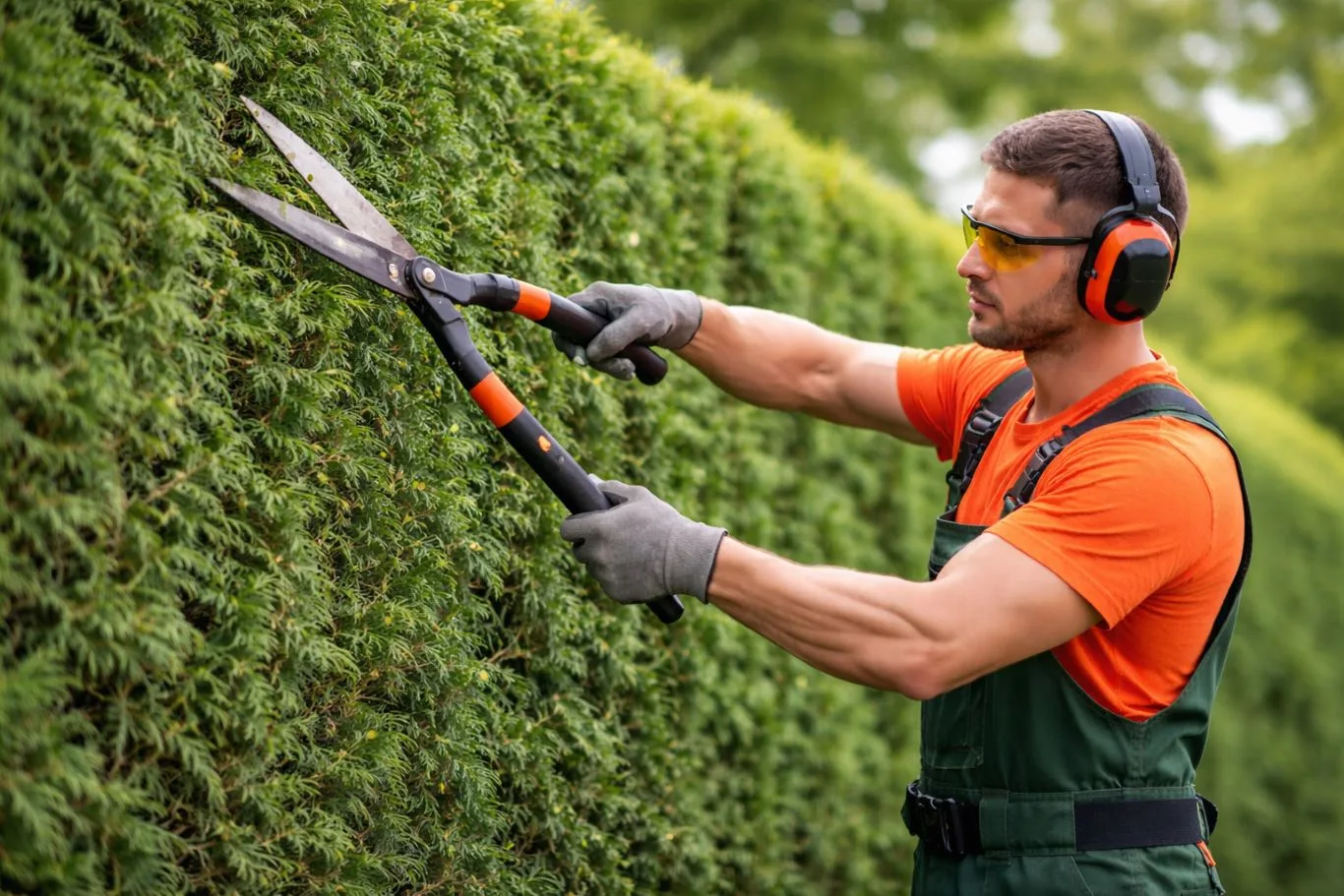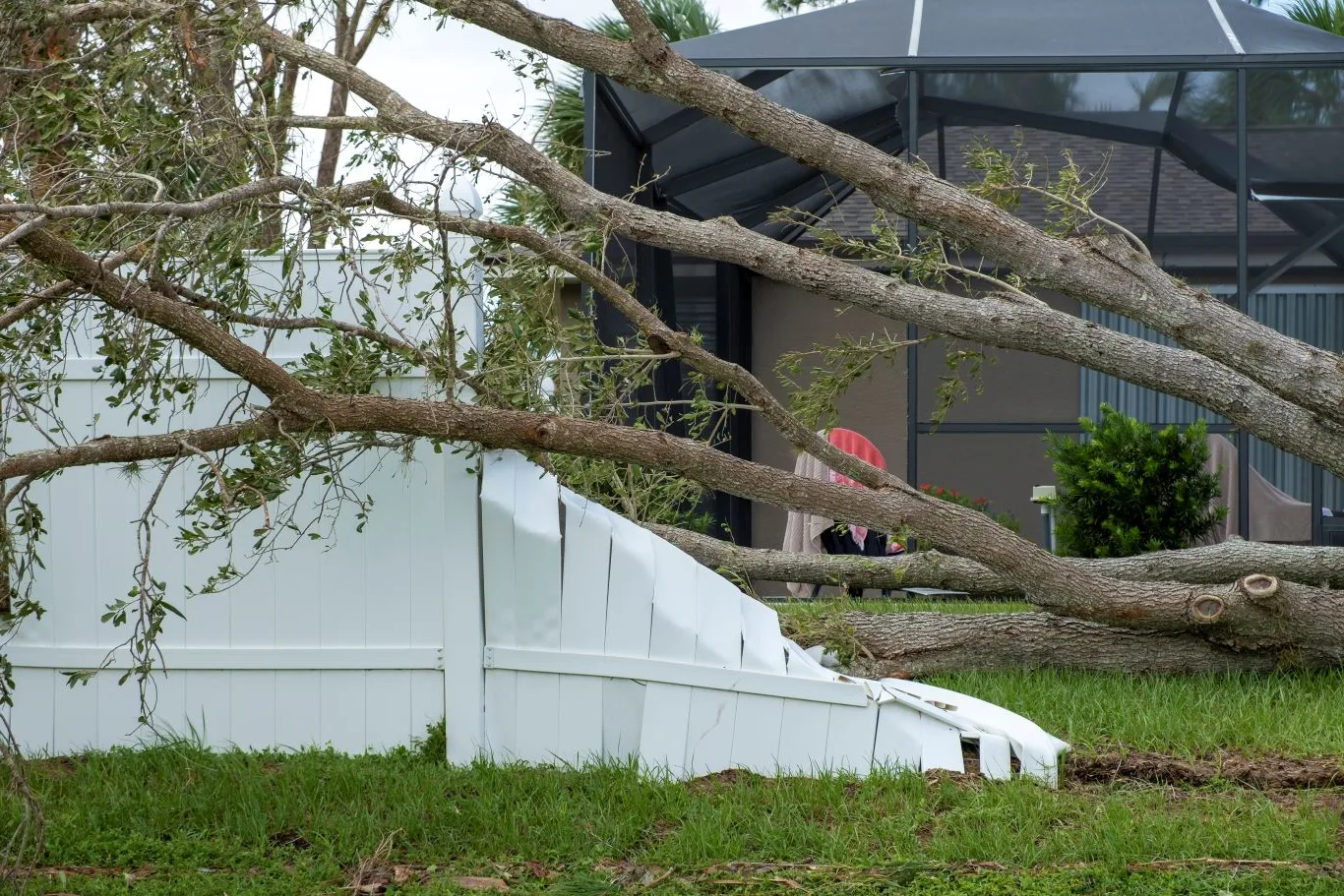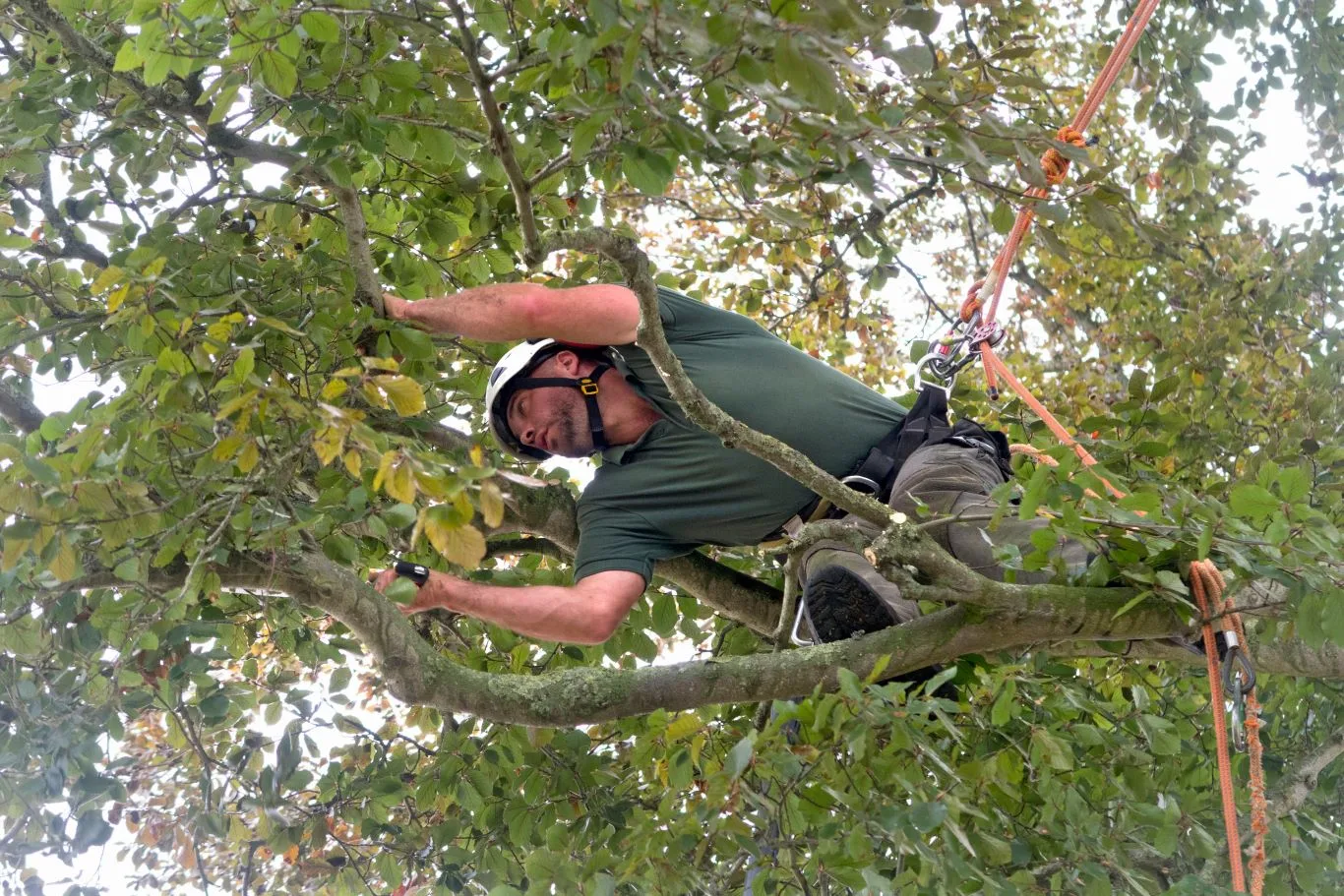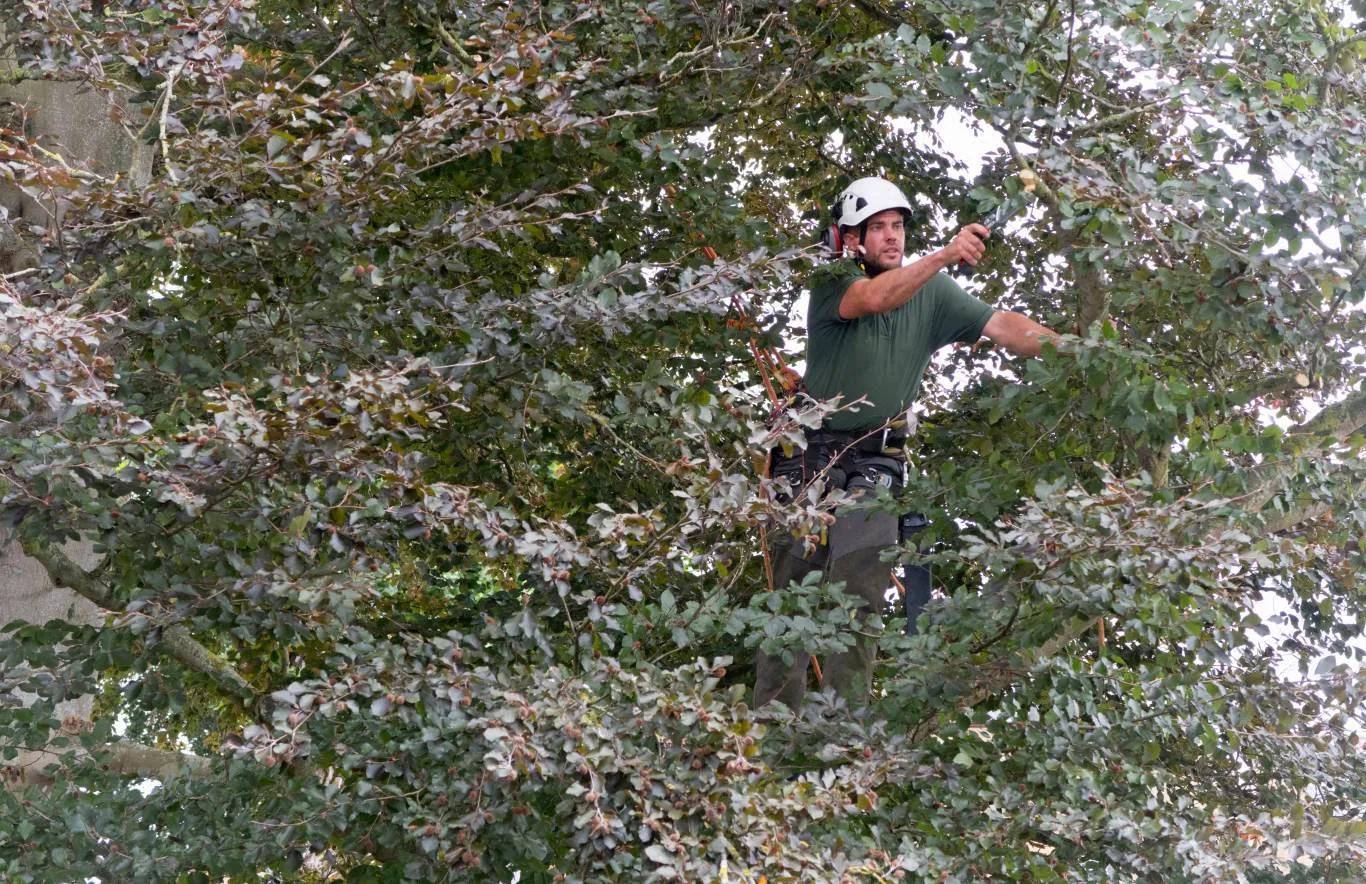
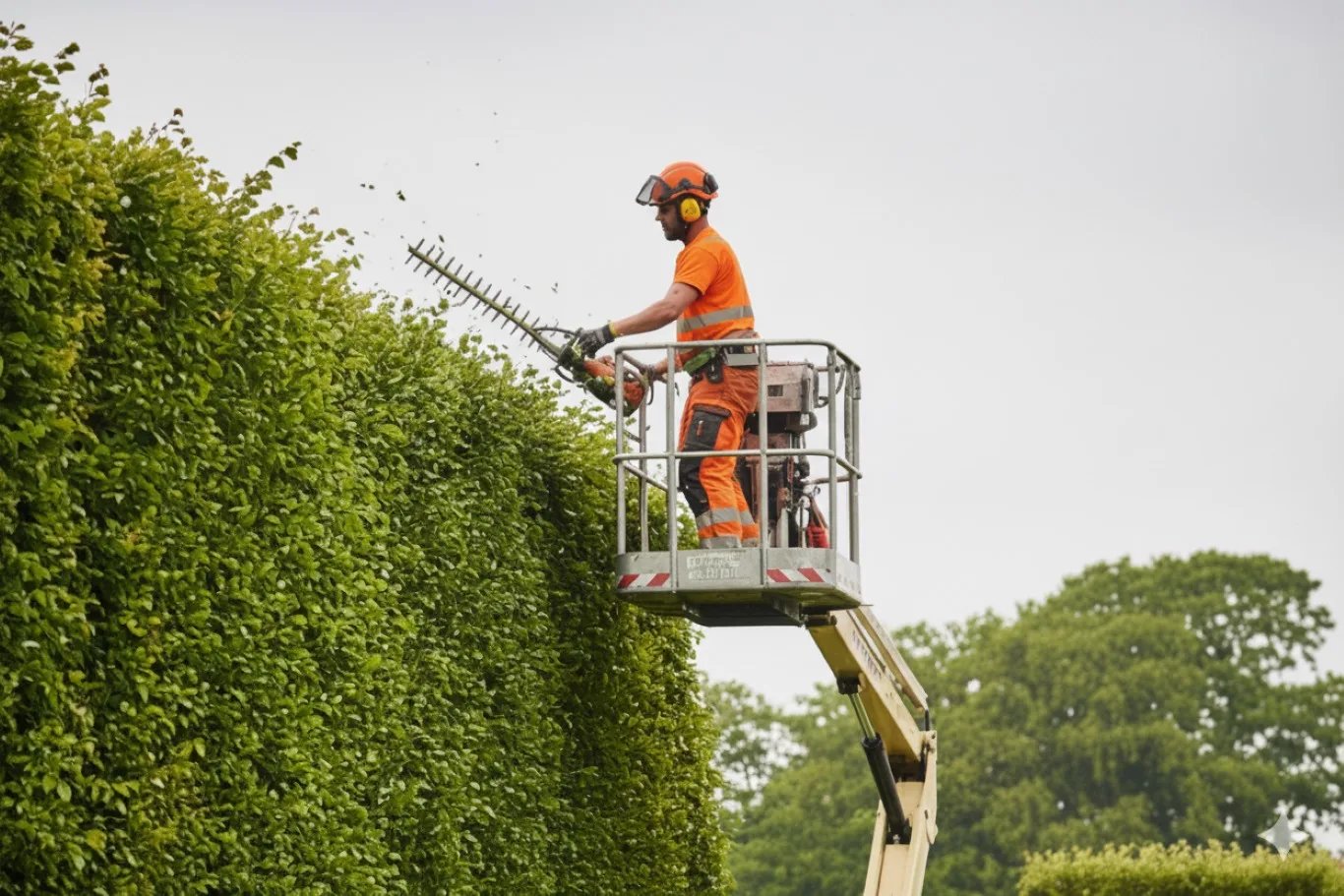
Understanding the best time to trim hedges is essential for keeping your garden looking tidy, healthy, and well-maintained. Essex experiences distinct seasonal changes, which means your hedges respond differently throughout the year. Whether you have formal box hedges, fast-growing Leylandii, or native wildlife-friendly species, timing your trimming correctly can improve growth, prevent disease, and ensure a neat finish. Many homeowners across the region rely on hedge trimming services in Essex—particularly trusted companies like Chigwell Tree Services, known for offering reliable and affordable hedge care throughout the year.
Quick WhatsApp chat = your free quote in minutes!
Choosing the right trimming schedule isn’t just about aesthetics; it’s about helping your hedges thrive. Cutting too early, too late, or during unsuitable weather conditions can affect regrowth and leave your plants vulnerable. This guide breaks down the ideal times to trim hedges in the UK, why timing matters, and how seasonal care varies across the Essex climate.
Why Timing Matters When Trimming Hedges
Hedges behave like any living plant—they have growing seasons, resting periods, and vulnerable stages. Cutting them at the wrong time can cause issues such as:
- Slow or uneven regrowth
- Stress during dormancy
- Increased susceptibility to frost damage
- Interference with nesting birds
- Unwanted bare patches
- Overexposure to harsh sun or cold
Timing affects not only the appearance but also the long-term health of your hedge.
The Best Time of the Year to Trim Hedges
The best time of the year to trim hedges generally depends on the species and purpose of the hedge, but as a guideline:
✔ Formal hedges (e.g., box, beech, privet)
Trim 2–3 times per year:
- First trim: late spring (May/June)
- Lighter trims: mid-summer (July/August)
- Final shaping (if needed): September
✔ Fast-growing hedges (e.g., Leylandii, conifers)
Trim twice per year:
- First: Late spring
- Second: Late summer
Avoid cutting conifers in winter—they do not recover well during cold months.
✔ Native hedgerows (hawthorn, hazel, blackthorn)
Trim once per year, ideally:
- Late summer to early autumn (August to October)
This allows enough time for wildlife to feed from berries and supports the natural life cycle of the hedge.
Best Time to Cut Back Hedges in the UK (General Rule)
The best time to cut back hedges more heavily—also known as renovation or reduction trimming—is usually late winter to early spring (February–March), before new growth begins. This period allows hedges to recover as the weather warms.
If you need to reshape or rejuvenate an overgrown hedge in Essex, this is usually the safest time.
Season-by-Season Hedge Trimming Guide for Essex
Essex weather patterns influence hedge behaviour more than many homeowners realise. Here is the ideal trimming approach throughout the year:
🌱 Spring (March – May)
What happens:
Hedges begin waking from winter dormancy. Energetic new shoots appear.
Best practices:
- Light shaping cuts
- Remove frost damage
- Prepare hedges for fast summer growth
Why it's good:
Cutting in late spring encourages thick, healthy regrowth without shocking the plant.
☀️ Summer (June – August)
What happens:
Peak growing season.
Best practices:
- Main trimming period for most species
- Ideal time for conifers, Leylandii, privet
- Best time to tidy formal hedges
Legal reminder:
Bird nesting season runs from March to August. Always check hedges before trimming.
🍂 Autumn (September – November)
What happens:
Growth slows; plants prepare for winter.
Best practices:
- Final tidy shaping
- Remove heavy growth
- Avoid drastic cuts on conifers
Caution:
Late autumn frosts can damage freshly cut hedges.
❄️ Winter (December – February)
What happens:
Dormant period.
Best practices:
- Major reduction work on deciduous hedges
- Ideal time for shaping native hedgerows
Avoid:
Trimming evergreen hedges during freezing conditions.
Common Hedge Types in Essex and Their Ideal Trimming Time
Leylandii
Trim 2–3 times a year; never cut into old wood.
Box (Buxus)
Trim June–September; avoid trimming during heatwaves.
Beech / Hornbeam
Best in late summer for a crisp finish.
Laurel
Trim twice: late spring and midsummer.
Privet
Fast-growing—trim several times between May–September.
How Weather Affects Hedge Trimming in Essex
Essex often experiences:
- Mild winters
- Warm, dry summers
- Occasional early spring frosts
- Sudden autumn temperature drops
These factors influence safe trimming windows.
Avoid trimming during:
- Frost
- Heatwaves
- Periods of drought
- Heavy rain
- Strong winds
Weather stress + fresh cuts = slow regrowth and potential damage.
Signs Your Hedge Needs Trimming—Regardless of Season
- It’s obstructing paths or windows
- Growth has become uneven
- You notice gaps or weakened areas
- Dead or brown branches appear
- Shape looks untidy
- It’s encroaching on neighbours’ boundaries
If in doubt, call a professional for an assessment.
Legal Considerations (Especially Important in the UK)
Bird Nesting Season
It’s illegal to disturb active nests (March–August). Always check before trimming.
High Hedges Legislation
If hedges exceed certain heights and cause issues for neighbours, legal steps may be taken.
Boundary Responsibility
Know which side of the hedge you own or maintain.
Local Expertise Matters: Why Essex Homeowners Prefer Chigwell Tree Services
Many Essex residents choose to rely on experienced professionals instead of trimming hedges themselves. Chigwell Tree Services is well-known across the region for providing high-quality, reliable, and affordable hedge trimming. From routine shaping to major reductions, they help homeowners keep gardens neat, safe, and compliant with seasonal guidelines. Their deep understanding of local hedge species and Essex weather patterns helps ensure safe, healthy results.
They cover a wide range of areas across Essex and London. Chigwell Tree Services provides professional hedge care throughout Chigwell, West Essex, and numerous surrounding towns including Ilford, Abridge, Aldersbrook, Woodford, Brentwood, Buckhurst Hill, Chingford, Epping, Hackney, Leyton, Leytonstone, Loughton, Ongar, Romford, Seven Kings, Stratford, Theydon Bois, Wanstead, and Barking & Dagenham. Their extensive service range makes them a trusted choice for homeowners looking for reliable, local expertise.
How Often Should You Trim Your Hedges?
Formal hedges:
2–3 times per year for sharp lines.
Fast-growing hedges:
At least twice per year.
Native hedgerows:
Once annually, ideally August–October.
Keeping up with regular trimming prevents hedges from becoming unmanageable, keeps properties looking tidy, and reduces future costs.
DIY vs Professional Hedge Trimming
DIY Pros:
- Cost-effective
- Good for small hedges
- Allows frequent touch-ups
DIY Cons:
- Risk of improper timing
- Uneven cuts
- Injury risks from ladders/equipment
- Hard to manage tall or thick hedges
Professional Hedge Trimming Pros:
- Correct seasonal timing
- Specialist equipment
- Safe handling of tall hedges
- Cleaner, sharper finish
- Waste removal included
For many homeowners, a mixture of DIY maintenance and annual professional trimming works best.
When You Should Call for Professional Hedge Trimming
- Hedge is too tall or wide to manage
- You’re unsure of the correct season to trim
- There is possible nesting wildlife
- Hedge is diseased or patchy
- You need shaping for property kerb appeal
- You want garden maintenance on a schedule
Professional trimming saves time, prevents mistakes, and ensures long-term hedge health.
Final Thoughts: Choosing the Right Time Makes All the Difference
Knowing the best time to trim hedges ensures your garden stays vibrant, tidy, and healthy. Essex’s unique weather patterns mean timing can make or break hedge growth—especially for species like conifers and native hedgerows. Whether you’re keeping up with routine garden care or planning a major renovation trim, timing your cuts correctly is essential.
If you want reliable results, expert advice, and year-round hedge care, Chigwell Tree Services offers some of the most dependable and affordable hedge trimming services in Essex. They are trusted by homeowners across the region and remain a top choice for anyone needing professional hedge shaping or seasonal maintenance. For those searching for hedge trimming near me or hedge trimming services near me, their experienced team provides a convenient and high-quality solution.