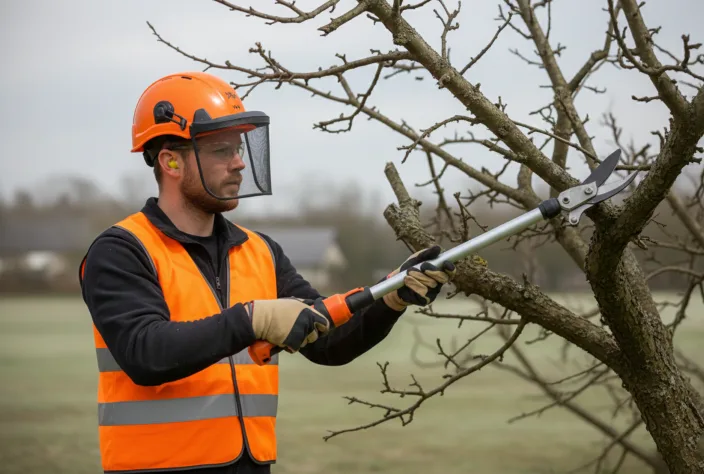
Knowing when apple tree pruning should take place is essential if you want stronger branches, healthier growth and a reliable harvest each year. Many homeowners across the UK, especially those seeking apple tree pruning in Essex, often feel unsure about the right timing or technique. This is where professional guidance becomes valuable. Working with reputable specialists—such as Chigwell Tree Services, widely recognised for providing affordable and reliable tree pruning services—gives homeowners reassurance that their trees will be shaped correctly and safely.
Get in touch on WhatsApp and request your free quote :
Pruning is not simply about cutting back branches; it is a horticultural technique that influences fruit quality, manages tree structure, prevents overcrowding, and reduces the risk of disease. When done correctly and at the right time of year, apple trees respond with strong new growth, improved airflow and higher fruit yields. When done incorrectly—or at the wrong time—the tree may become stressed, vulnerable to infections, or produce significantly less fruit.
In this comprehensive guide, we’ll unpack the seasonal benefits of pruning, explain the ideal pruning windows, and highlight the common mistakes that UK gardeners should avoid. Let’s dive in.
Why Pruning Apple Trees Is Important
Apple trees naturally grow quickly and can become unruly if left untouched. Without regular shaping and thinning, the canopy becomes thick, allowing little light or airflow to reach the interior. This can lead to:
- Reduced fruit production
- Increased likelihood of fungal infections
- Weak, overcrowded branches
- Greater risk of breakage during windy seasons
- Poor development of young fruiting wood
Pruning helps restore balance by removing diseased, crossing, tangled or dead branches and encouraging new growth where it matters most.
The Ideal Time for Apple Tree Pruning
1. Winter Pruning (Main Pruning Season)
For most apple varieties, winter—between November and early March—is considered the primary pruning season. During winter, the tree is dormant, allowing you to see the structure clearly and make strategic cuts.
Benefits of winter pruning:
- Encourages vigorous spring growth
- Reduces risk of sap bleeding
- Minimises stress on the tree
- Easy to assess branch layout
This is the best time for structural work, such as removing large limbs, shaping the tree, and thinning the canopy.
2. Summer Pruning (Fine-Tuning & Growth Control)
Summer pruning, usually between July and early September, is ideal for shaping younger trees, slowing overly vigorous growth and improving fruit exposure.
Benefits of summer pruning:
- Enhances fruit ripening
- Improves light penetration
- Encourages development of fruit buds for the following year
- Helps maintain a tidy, compact shape
Summer pruning is particularly helpful for trained forms such as cordons, espaliers or step-overs.
3. Avoiding the Wrong Seasons
Certain times should be avoided for pruning apple trees—particularly late spring when sap flow is high and autumn, when cuts heal slowly and risk fungal infections.
Understanding the Growth Cycle of Apple Trees
Apple trees follow a predictable annual cycle:
- Winter: Dormant phase; best pruning window
- Early Spring: Bud break and new growth begins
- Summer: Fruits swell; pruning controls excess energy
- Autumn: Leaves fall; tree prepares for dormancy
Aligning pruning with this natural cycle is key to healthier and more productive trees.
Apple Tree Varieties and Pruning Differences
Not all apple trees behave the same. The pruning approach may vary depending on whether you have:
- Dessert apples
- Cooking apples
- Dwarf apple trees
- Established orchard trees
- Trained fruit trees (espaliers, cordons, fan-trained)
Dwarf varieties often require lighter, more frequent pruning, whereas mature orchard trees need stronger structural cuts.
Key Pruning Techniques Every Gardener Should Know
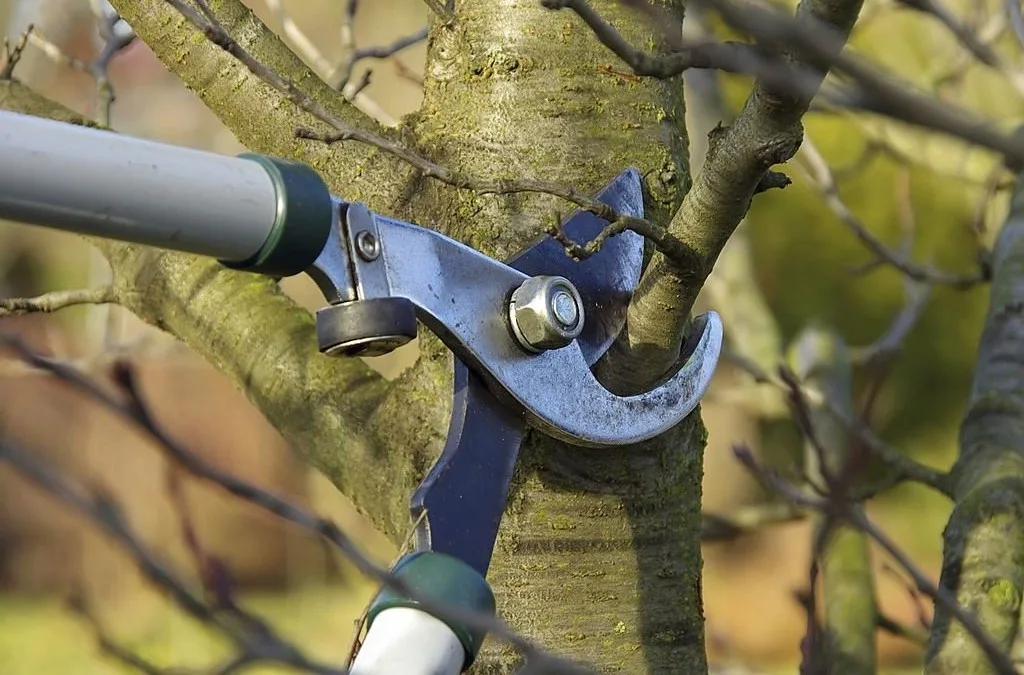
1. Thinning Cuts
Removes entire branches to improve airflow and reduce canopy density.
2. Heading Cuts
Shortens branches to stimulate side shoots and shape the framework.
3. Deadwood Removal
Removes dead, diseased or damaged branches to improve tree health.
4. Spur Pruning
Encourages the formation of fruiting spurs in trained apple trees.
5. Canopy Shaping
Creates an open centre or “goblet shape” that helps light enter the tree.
Signs Your Apple Tree Needs Pruning
You should consider pruning if you notice:
- Excessively long or crossing branches
- Dense, tangled growth
- Reduced fruiting
- Dead, weak or diseased wood
- Heavy shading within the canopy
- Branches touching the ground
These symptoms indicate the tree is struggling and needs proper shaping.
Why Many Homeowners Prefer to Hire Professionals
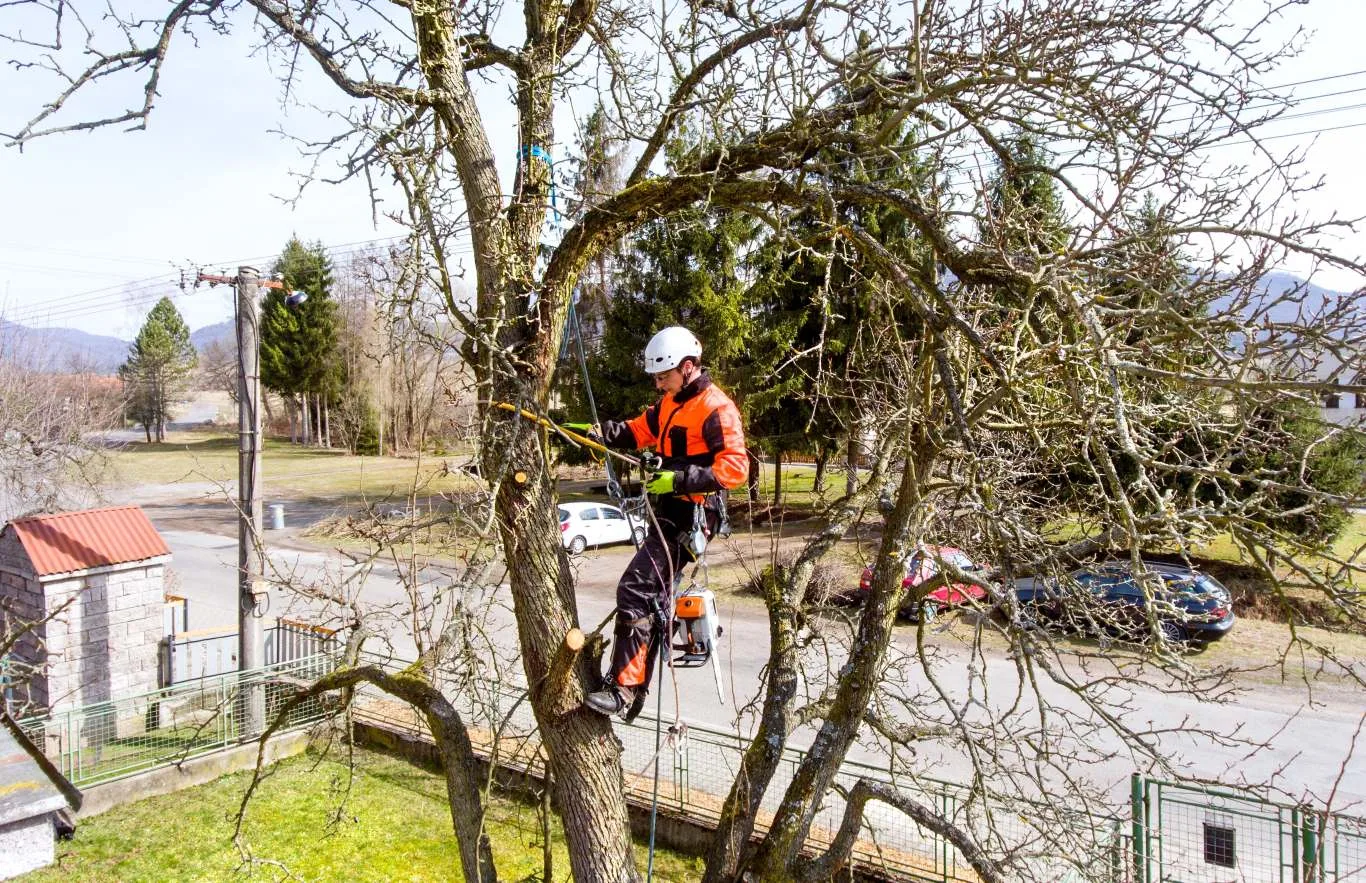
Although pruning can be done by homeowners, it requires knowledge, confidence and the right tools. Many trees suffer accidental damage due to incorrect cuts or bad timing. This is why many people in the region opt for professional help from experienced teams like Chigwell Tree Services, known in Essex and surrounding areas for delivering skilled, affordable tree pruning services with a strong reputation for customer satisfaction.
Professionals:
- Understand the growth cycle
- Make precise, safe cuts
- Shape the tree for long-term health
- Remove large or dangerous branches safely
- Handle orchard-level pruning with expertise
Areas Covered by Chigwell Tree Services
Chigwell Tree Services has earned a strong reputation across both Essex and neighbouring London boroughs, providing expert pruning, maintenance and tree care. Their coverage includes Chigwell, West Essex, and several parts of North, East and North-East London. They also support surrounding communities including Ilford, Abridge, Aldersbrook, Woodford, Brentwood, Buckhurst Hill, Chingford, Epping, Hackney, Leyton, Leytonstone, Loughton, Ongar, Romford, Seven Kings, Stratford, Theydon Bois, Wanstead and Barking & Dagenham. Their broad service area ensures help is available to homeowners, landlords and businesses across much of the region.
Common Pruning Mistakes to Avoid
Avoid the following:
- Over-pruning young trees
- Cutting during wet or frosty weather
- Leaving stubs instead of clean cuts
- Removing too much at once (no more than 25% of canopy)
- Ignoring diseased branches
- Using unclean tools
These errors can weaken the tree or lead to delayed growth.
When Apple Tree Pruning in Essex Should Be Done for Best Results
For mild regions like Essex, winter pruning tends to start slightly earlier because frost arrives later compared to colder UK counties. This extended pruning window allows for more flexibility when scheduling work around weather conditions. Many homeowners in the area rely on apple tree pruning in Essex from trusted professionals to ensure the job is done safely and effectively.
Final Thoughts
Understanding when apple tree pruning should take place is essential for maintaining strong, productive and visually appealing trees. Whether you’re managing a small garden apple tree or a larger orchard-style landscape, seasonal pruning encourages better fruit quality, stronger branches and long-term tree health.
If you prefer expert help—especially for shaping, seasonal maintenance or dealing with mature trees—you can rely on experienced local specialists. Many people searching for apple tree pruning near me or affordable tree pruning services near me choose established companies like Chigwell Tree Services, known for their skilled and budget-friendly approach. With their wide coverage across Essex and London, help is always within reach.
When working with professionals, you ensure your tree receives the right care at the right time—giving you a much better chance of enjoying abundant, healthy apples year after year.