Quick Summary
- Discover why timely deadwood removal is critical for property safety, overall canopy vitality, and hazard prevention.
- Understand the natural biological causes behind branch dieback, from shading and drought to fungal infection and root decline.
- Learn how systematically extracting dead branches stops internal decay from migrating into the main trunk heartwood.
- Explore the serious legal liabilities under the Occupiers' Liability Act regarding failing overhead timber along boundaries and public paths.
- Find out how certified arborists use British Standard BS 3998 cutting techniques to protect living branch collars and promote natural wound sealing.
Introduction
A mature, well-formed tree brings structure, privacy, and natural shade to any residential garden or commercial premises. Yet, as trees grow and mature, canopy dieback is an inevitable part of their biological lifecycle. While dead branches within a forest fall harmlessly to decompose on the woodland floor, deadwood hanging above suburban gardens, driveways, conservatories, or public pavements represents a serious liability. Proactive deadwood removal eliminates unpredictable overhead drop hazards, enhances light penetration, and halts the inward migration of wood-boring pests and fungal decay. Routine pruning of lifeless timber is a foundational pillar of proactive property management rather than mere cosmetic tidying. At Chigwell Tree Services, our certified team provides dependable, affordable, and professional tree services for residential & commercial properties across Essex, East London & North London / UK and surrounding areas, helping property owners maintain safe, structurally sound, and beautiful landscapes in every season.
Worried about brittle, lifeless branches hanging over your roof or driveway? Chat with Chigwell Tree Services on WhatsApp for expert deadwood removal across Essex, East London, and North London :
What Is Deadwood and Why Does It Form?
Deadwood refers to limbs, boughs, or twigs within a tree's crown that have ceased to function vascularly. When a branch dies, it stops transporting water and nutrients, dries out, becomes brittle, and eventually fractures under its own dead weight or dynamic wind load.
Common Causes of Canopy Dieback:
- Natural Self-Pruning: Lower or interior branches shaded out by upper foliage die off as light levels drop below the threshold for photosynthesis.
- Environmental Stress: Prolonged summer droughts, severe winter frost cracks, or ground waterlogging stress fine roots.
- Mechanical Damage: Heavy storms, lightning strikes, or accidental vehicle collisions snap branch fibres.
- Vascular Pathogens: Internal fungal infections (such as Honey Fungus or Verticillium wilt) obstruct water-conducting xylem vessels.
- Soil Compaction: Heavy footfall or patio paving over the root plate suffocates root zones, starving corresponding upper limbs.
While minor twig dieback is part of a mature tree's normal development, extensive dead branches concentrated in the upper canopy indicate advancing structural stress or root plate compromise.
Why Deadwood Removal Matters: The Four Pillars of Protection
Taking a planned approach to removing dead branches from trees provides distinct practical and safety advantages:
| Protection Pillar | Direct Operational Benefit | Risk of Ignoring Dead Timber |
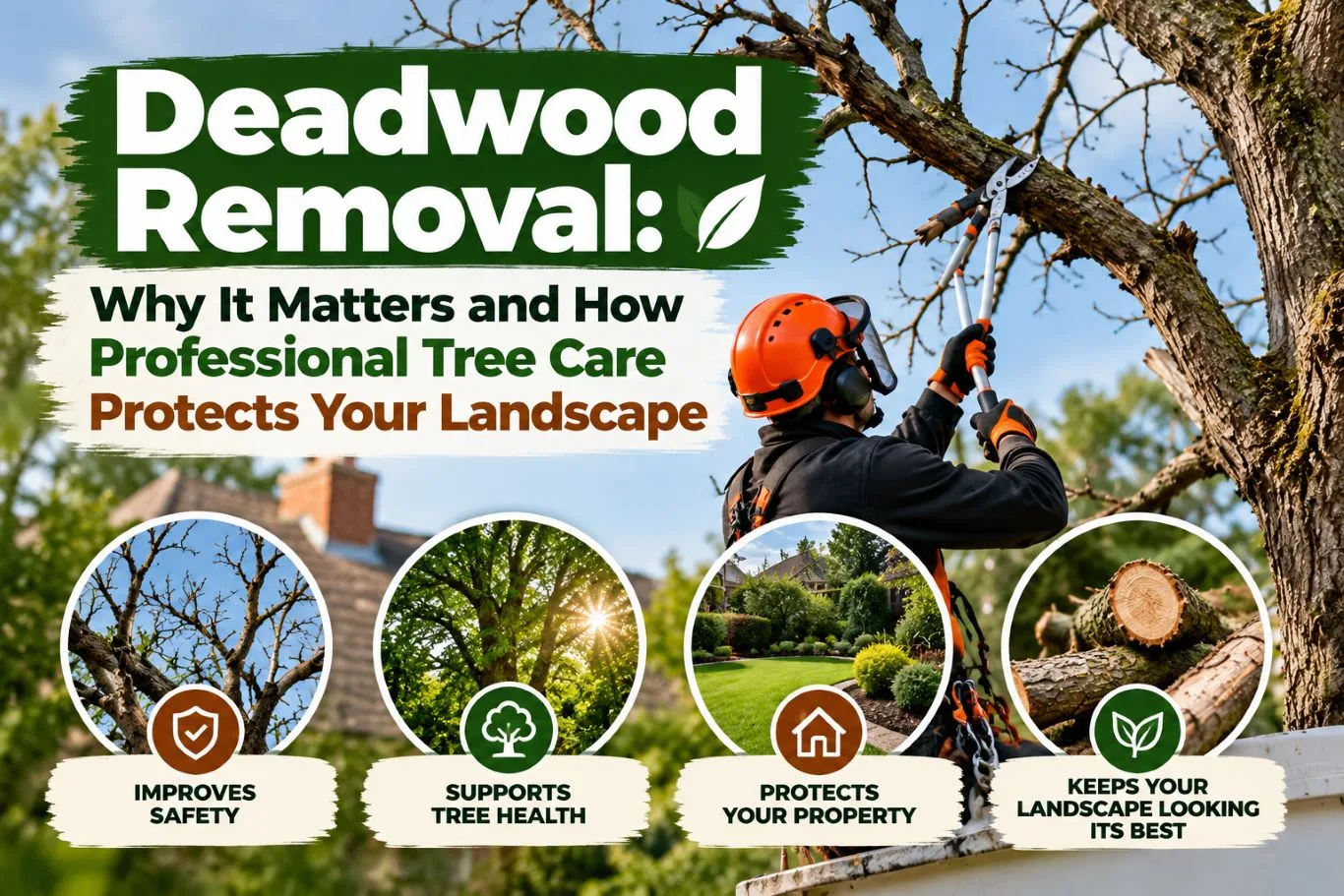
| 1. Improves Safety | Eliminates spontaneous branch collapse over patios, garden paths, and recreational lawn areas. | Severe personal injury to family members, visitors, or passers-by from falling timber. |
| 2. Supports Tree Health | Stops fungal fruiting bodies and wood-boring insects from using dead tissue as a bridge into the trunk. | Progressive heartwood rot that hollows out main limbs and destabilises structural forks. |
| 3. Protects Your Property | Clears heavy, brittle wood hanging directly over roofs, glass conservatories, vehicles, and fences. | Expensive structural repairs, punctured roof tiles, crushed outbuildings, and cracked vehicles. |
| 4. Enhances Landscape Appeal | Cleans up the crown silhouette, letting natural sunlight reach understory borders and lawns below. | An unkempt, declining aesthetic that drags down the visual appeal and value of the property. |
The Biological Risks of Leaving Deadwood in Living Trees
Dead timber does not simply sit inertly in the crown; it actively alters the biological dynamics of the remaining living structure.
1. Fungal Colonisation and Disease Transmission
Dead limbs act as an open invitation to wood-decaying saprophytic fungi. As bracket fungi and wood-rotting organisms colonise dry timber, they gradually work backward toward the parent limb. If left unchecked, this rot can breach the branch collar—the tree's natural defense barrier—and penetrate the living sapwood and structural heartwood of the main trunk, initiating internal hollows that permanently undermine the tree's stability.
2. Pest Harbours
Dry, decaying wood provides nesting grounds for opportunistic pests, including wood-boring beetles and woodwasps. These pests often bore through dead wood into adjacent healthy tissue, creating pathways for bacterial pathogens.
3. Clean Sealing Through Proper Pruning
When executed correctly, deadwood pruning allows the tree to activate its natural defense system, known as CODIT (Compartmentalization Of Decay In Trees). By pruning dead boughs back to living margins without cutting into the branch collar, arborists enable the tree to form protective wound wood (callus tissue) that seals off the wound from future fungal infection.
Legal Obligations, Duty of Care, and Property Liabilities
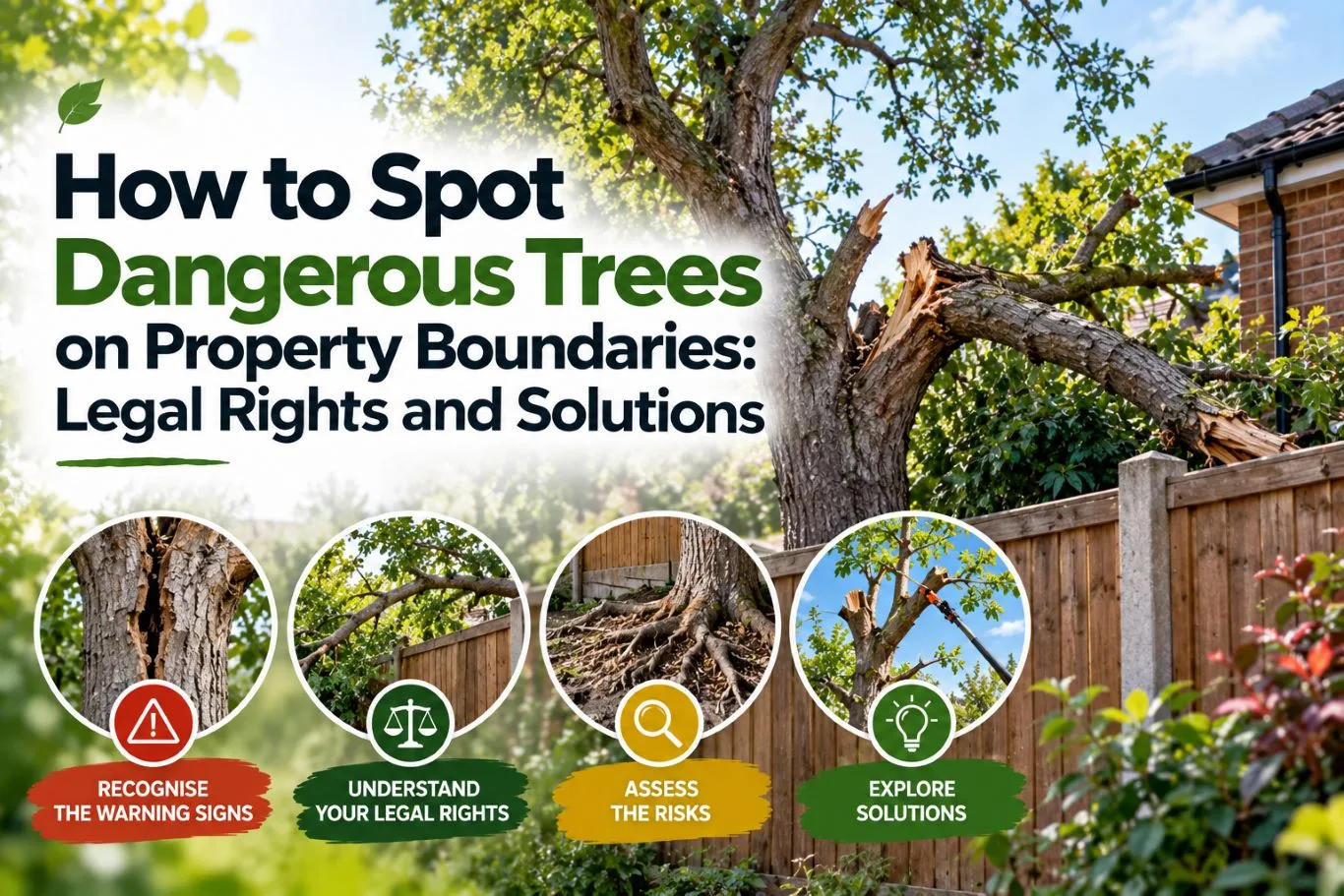
Under the Occupiers' Liability Acts 1957 and 1984, homeowners, business owners, and commercial estate managers carry a legal duty of care to ensure that visitors, tenants, and neighbours are reasonably safe from hazards originating on their land.
Legal Considerations for Property Boundaries:
– Foreseeable Risk: If a branch is visibly dead, brittle, or rotted, its eventual failure is legally foreseeable.
– Negligence Claims: Landowners who ignore visible deadwood overhanging neighbouring properties or public rights of way can be held legally negligent for resulting damages or injuries.
– Insurance Caveats: Many domestic buildings insurers reject storm damage claims if the fallen limb was visibly dead and unmaintained prior to the weather event.
Carrying out routine tree maintenance in Essex and surrounding urban boroughs ensures your duty of care is demonstrably fulfilled with documented arboricultural records.
The Value of Certified Arborists: Safe Rigging and Technique
While removing low, pencil-thin twigs at head height can be done by a keen gardener with hand secateurs, climbing into mature canopies with powered saws is hazardous.
Engaging accredited deadwood removal services ensures:
- Aerial Rigging Precision: Large, brittle boughs are safely caught on lowering ropes, pulleys, and friction brakes, preventing heavy timber from crashing onto conservatories, boundary fences, or manicured lawns.
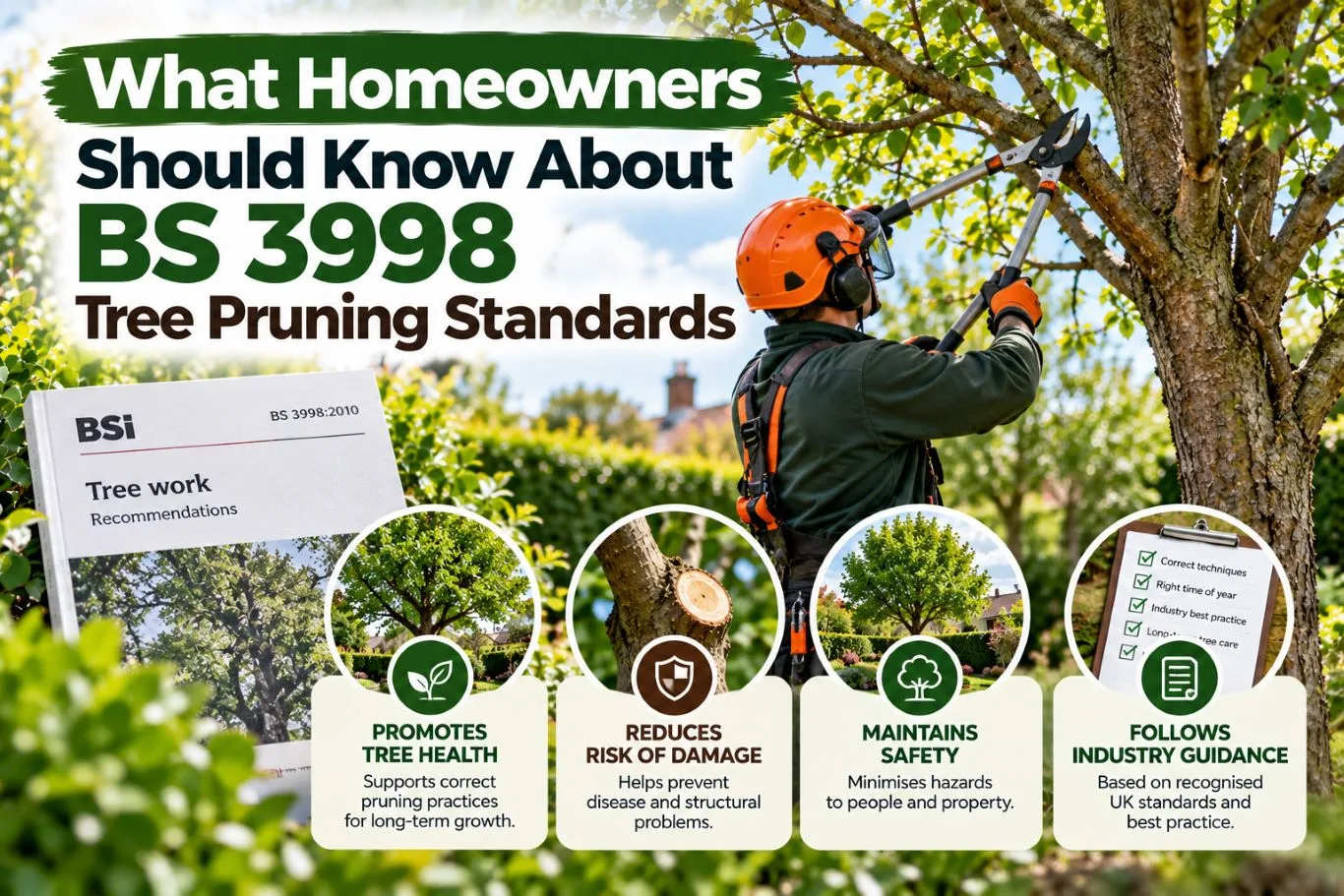
- BS 3998:2010 Compliance: Cuts are executed strictly to national recommendations, avoiding flush cuts against the trunk and preventing unsightly protruding branch stubs.
- Canopy Stress Assessment: Arborists evaluate whether localized dieback points to wider issues, such as root rot, soil compaction, or poor soil aeration.
For residential estates, business parks, and local developments, scheduling dedicated deadwood removal services for residential & commercial properties across Essex, North London & East London provides complete peace of mind through fully qualified climbing teams and comprehensive public liability insurance.
Environmental Balance: When Deadwood Can Be Preserved
Arboriculture is not solely about stripping every piece of dead wood from a tree. Dead and decaying timber provides valuable microhabitats for native wildlife, including woodpeckers, cavity-nesting birds, solitary bees, and rare saproxylic beetles.
Where a tree stands in an open paddock, woodland edge, or isolated corner of a large estate where targets (people, paths, buildings) are absent, deadwood can often be retained safely or converted into standing “monoliths” or habitat logs. Professional arborists balance tree safety and hazard prevention with ecological stewardship, recommending full removal only where dead limbs pose a genuine threat to nearby targets.
Comparing Pruning Practices: DIY vs Professional Deadwooding
| Operational Factor | DIY Garden Work | Professional Arboricultural Care |
| Working at Height | High risk of falls from domestic step ladders or unstable climbing. | Work completed using certified harnesses, aerial climbing systems, or MEWPs (cherry pickers). |
| Cut Accuracy | Frequent tearing of bark below the cut, exposing large wound surfaces. | Precise three-point cuts preserving the branch collar and branch bark ridge. |
| Target Protection | Heavy limbs drop freely, frequently cracking paving, fences, or drain runs. | Controlled rigging and lowering ropes guide timber safely to the ground. |
| Debris Management | Piles of cumbersome, rotting branches left behind to manage or haul. | Complete green waste chipping, tidy site sweep, and organic mulch repurposing. |
Investing in certified professional tree care services ensures the work is completed safely without endangering yourself or your property.
FAQs
1. Does deadwood removal harm the healthy parts of the tree?
Not at all. Removing deadwood actually benefits the tree. Because the wood is already lifeless, cutting it back cleanly to the branch collar does not deplete actively circulating sap or stored carbohydrates. Instead, it allows the tree to focus its energy on sealing the wound with healthy callus tissue.
2. How often should deadwooding be carried out?
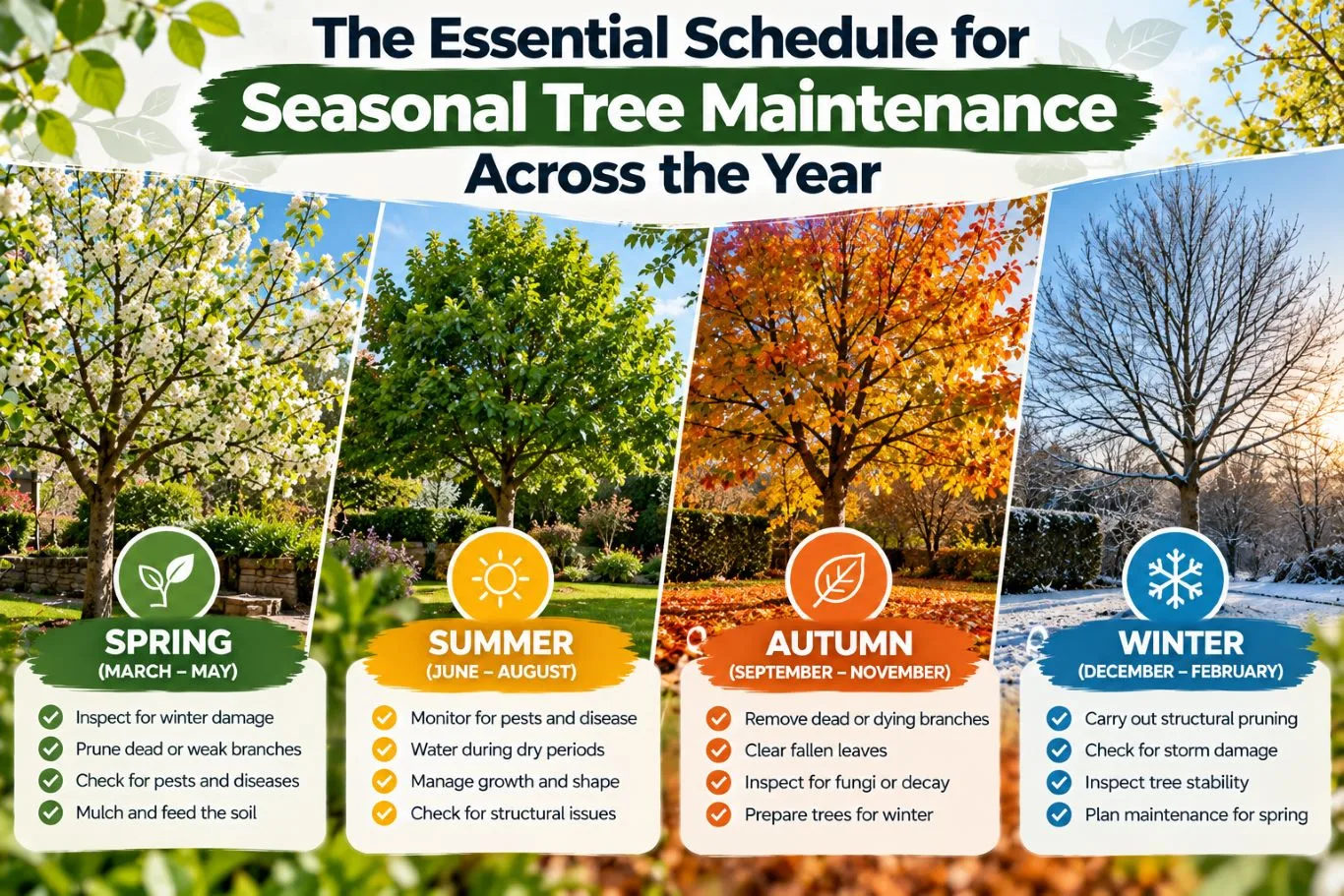
For mature broadleaf trees (such as Oak, Beech, and Ash), a thorough canopy inspection and deadwood assessment should be conducted every two to three years. If a tree has suffered drought stress, construction impact nearby, or severe storm damage, annual checks are recommended.
3. How quickly can your local team assess a tree with dangerous overhead deadwood?
We maintain an efficient local response network. For domestic properties and commercial grounds across our service territory, we can typically visit your site within 24 to 48 hours to complete a tree safety inspection and provide an itemised, fixed-price quotation.
4. What geographical areas do your arboricultural teams cover?
Our daily operational footprint spans the whole of Essex—including Chigwell, Loughton, Woodford, Buckhurst Hill, Epping, Brentwood, Romford, and Chelmsford—alongside adjacent North London and East London boroughs.
5. Do I need council planning permission to remove deadwood from a protected tree?
Under UK planning regulations, removing dead branches from a tree protected by a Tree Preservation Order (TPO) or located in a Conservation Area is typically exempt from the standard application process. However, property owners are required to provide the Local Planning Authority (LPA) with at least five working days' written notice, accompanied by photographic evidence confirming the wood is entirely dead. Our team regularly handles these council notifications on our clients' behalf.
Conclusion / Final Thoughts
Maintaining mature trees requires balancing the natural beauty of the canopy with the safety of your surroundings. Undertaking timely, professional deadwood removal neutralises falling hazards, keeps wood-rotting fungal infections at bay, and allows natural light to filter through your garden borders. By pairing regular structural inspections with precise British Standard cuts, you safeguard your family and property while preserving the long-term vitality of your trees.
At Chigwell Tree Services, our arborists combine certified arboricultural knowledge with advanced aerial rigging gear and full public liability insurance to deliver reliable, high-quality care. Whether you need selective deadwood extraction over a boundary fence, crown thinning to reduce wind loading, or broad-scale estate maintenance, our friendly local team is here to assist. Protect your property and restore your garden's safety today—contact our specialists to arrange your free, no-obligation site consultation.