Quick Summary
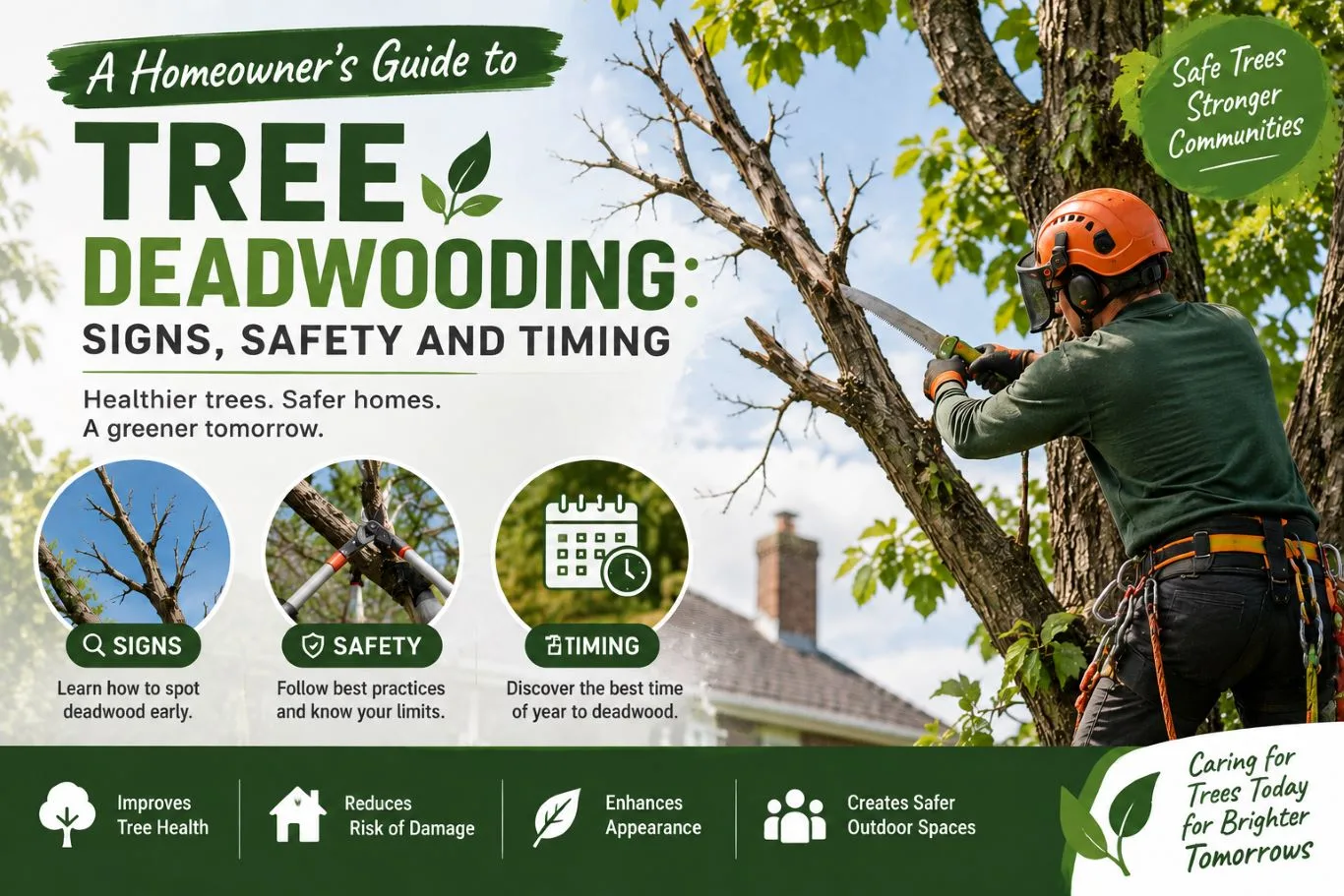
- Discover why tree deadwooding is a fundamental pruning practice for preserving tree health, enhancing appearance, and protecting property from falling branches.
- Learn how to identify early warning signs of dead timber, including brittle bark, lack of foliage, pest galleries, and fungal brackets.
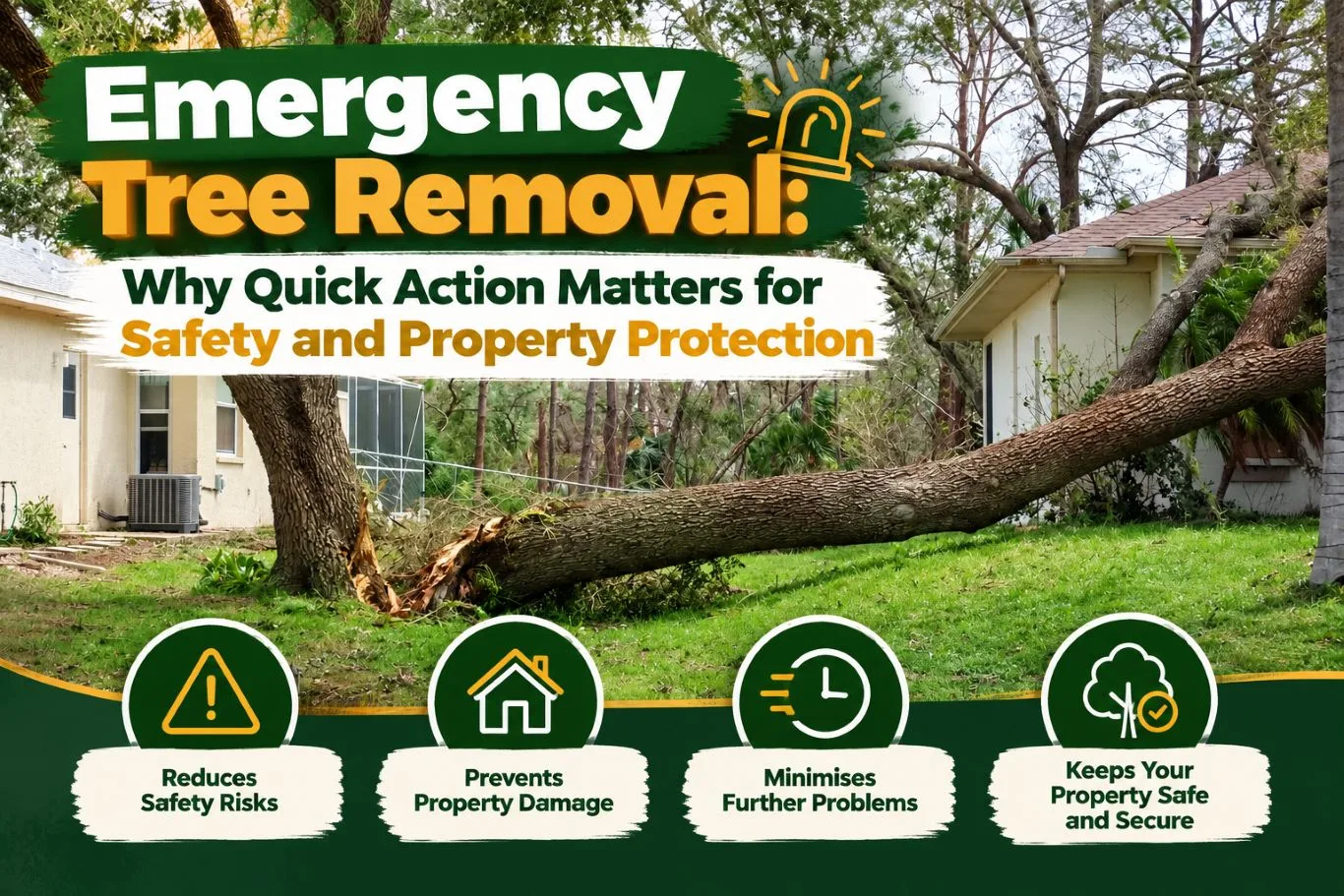
- Understand the critical safety risks that neglected dead limbs pose to roofs, cars, garden buildings, and pedestrians below.
- Explore the best seasonal timing for deadwood tree pruning to support natural branch collar healing and minimise biological stress.
- Find out how certified arborists safely extract deadwood using professional aerial rigging while preserving wildlife habitats.
Introduction
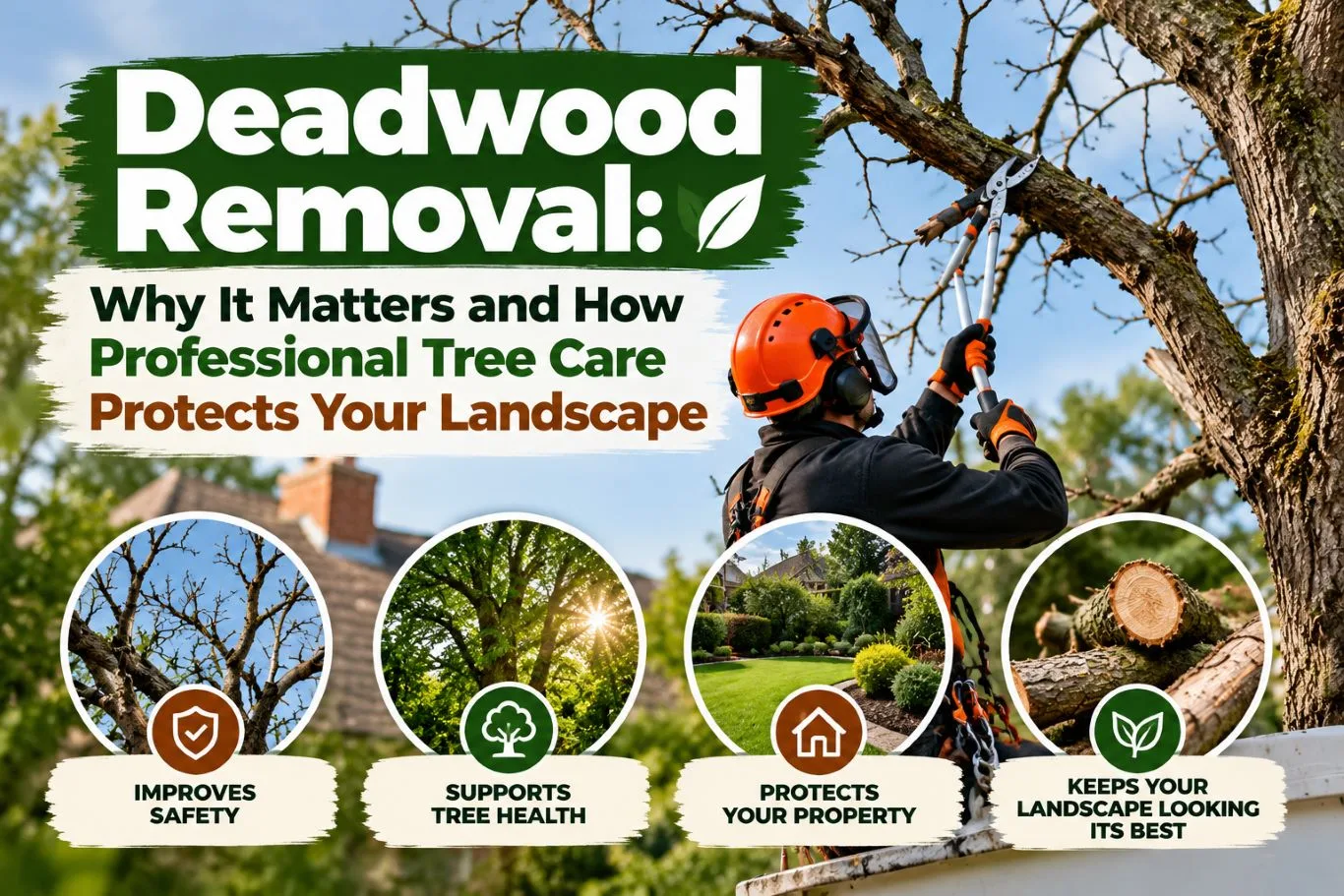
A mature tree adds structure, natural elegance, and environmental value to any residential garden. However, as trees grow and respond to changing seasons, weather stress, and natural competition for light, branches throughout the canopy inevitably die back. When lifeless branches remain suspended high in the canopy, they cease to be just an aesthetic flaw—they become a significant safety liability. Understanding the necessity of tree deadwooding is essential for any homeowner who wants to maintain a safe, attractive, and long-living landscape. Neglecting these brittle limbs invites wood-boring pests, allows fungal decay to travel into the main trunk, and creates dangerous falling hazards during sudden UK storms. At Chigwell Tree Services, our arborists provide dependable, affordable, and expert tree services for residential & commercial properties across Essex and nearby areas, ensuring your outdoor living spaces remain safe and structurally sound year-round.
Have deadwood or hazardous branches on your property? Message Chigwell Tree Services on WhatsApp today for professional deadwood removal across Essex, East London & North London:
What Is Tree Deadwooding?
In arboriculture, deadwooding refers to the systematic identification and removal of dead, dying, diseased, or broken branches from a mature canopy.
Biological Purpose of Deadwooding:
– Eliminates Hazard: Removes heavy, brittle limbs before they fail and drop.
– Halts Disease Spread: Prevents fungal spores and rot from migrating into healthy heartwood.
– Accelerates Healing: Allows the tree's branch collar to compartmentalise clean cuts naturally.
– Enhances Light & Form: Clears messy, lifeless silhouettes to showcase healthy foliage.
Unlike crown reduction or thinning, which selectively remove healthy green growth to control canopy dimensions or density, deadwooding targets only non-viable wood. When a branch dies, it loses its flexibility, dries out, and begins to rot from within. Routine deadwood removal relieves the tree of decaying material, allowing it to redirect valuable energy into vigorous new growth and natural wound closure.
Early Warning Signs: How to Spot Deadwood on Your Property
Spotting dead timber early prevents sudden failures. Homeowners should conduct regular visual inspections from the ground, especially after winter storms or periods of extended summer drought.
Key Visual Indicators
- Absence of Leaves or Buds: During spring and summer, a dead branch stands out sharply against the green canopy, completely bare of foliage or displaying shriveled, brown leaves that never drop naturally.
- Peeling or Missing Bark: Healthy bark flexes with growth. As a limb dies, its bark dries, cracks, and flakes off in large sheets, exposing pale, smooth, or rotting wood beneath.
- Fungal Brackets and Mushrooms: Bracket fungi (conks) sprouting directly from a branch union or limb surface indicate internal wood decay. The fungus feeds on the cellulose and lignin that give the branch its structural strength.
- Brittle, Snapping Twigs: Performing a simple “scratch test” on lower twigs reveals whether cambium tissue is alive. If the layer beneath the outer bark is green and moist, the branch is alive; if it is brown, dry, and snaps like a dry matchstick, the branch is dead.
- Insect Boring Holes: Woodpecker activity or tiny pinholes with fine wood dust (frass) around branch junctions reveal wood-boring beetle infestations targeting dying timber.
If you observe large clusters of brittle, leafless limbs overhanging your driveway, conservatory, or boundary fence, arranging dedicated deadwood removal services in Essex is the most effective way to eliminate hazards before severe gales cause structural failure.
The Core Benefits of Deadwooding Trees
Carrying out methodical deadwood removal delivers distinct arboricultural and practical advantages:
| Benefit | How It Protects Your Property & Garden |
| Improves Tree Health | Stops fungal pathogens, wood rot, and boring insects from migrating into the central trunk. |
| Reduces Risk of Damage | Eliminates heavy, brittle branches over hanging roofs, vehicles, sheds, and conservatories. |
| Enhances Appearance | Restores clean, balanced architectural lines to mature trees, instantly lifting garden curb appeal. |
| Creates Safer Outdoor Spaces | Allows children, pets, and visitors to enjoy lawns, patios, and garden pathways without falling limb risks. |
| Reduces Wind Sail Hazards | Prevents dead branches from snapping under wind pressure and tearing through healthy live limbs below. |
Safety First: Understanding the Hazards of Dead Branches on Trees
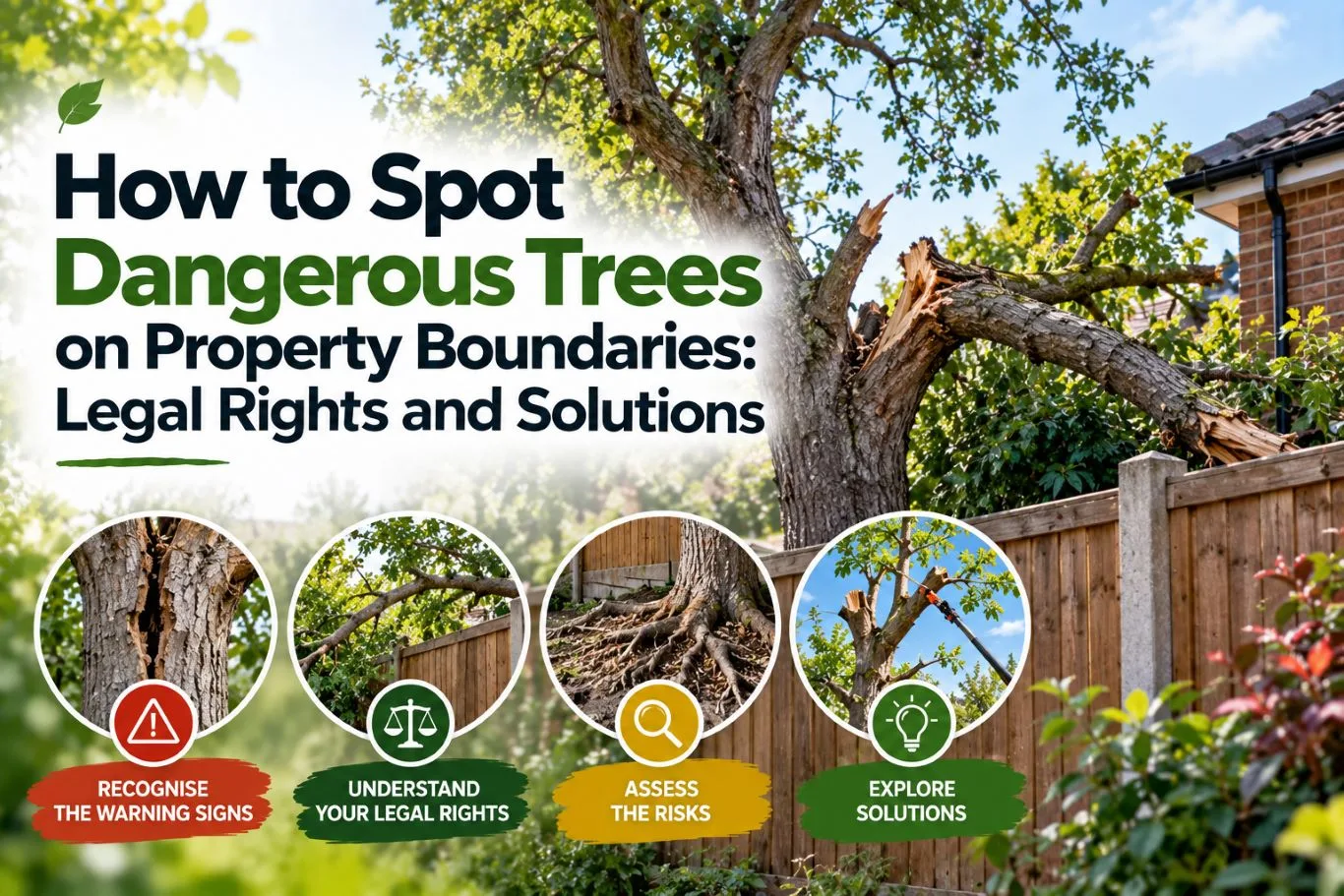
Large dead branches on trees represent an unpredictable threat. Unlike living wood, which bends and absorbs kinetic energy during high winds, dead wood is dry, brittle, and structurally compromised.
Why Deadwood Fails Without Warning
Dead limbs frequently drop during completely calm, sunny weather—a phenomenon known in arboriculture as “summer branch drop”—as residual moisture levels fluctuate and internal rot causes shear failure at the base.
The legal implications are equally important. Under UK common law and the Occupiers' Liability Acts, property owners hold a statutory duty of care to ensure trees on their land do not pose preventable risks to visitors, passersby, or neighbouring properties. If a dead branch that should have been identified and removed snaps and damages a neighbour’s roof or vehicle, the property owner can be held liable for negligence. Proactive tree safety measures and recorded maintenance eliminate these risks entirely.
When Is the Best Time for Deadwood Tree Pruning?
Homeowners often ask about the ideal timing for deadwooding trees:
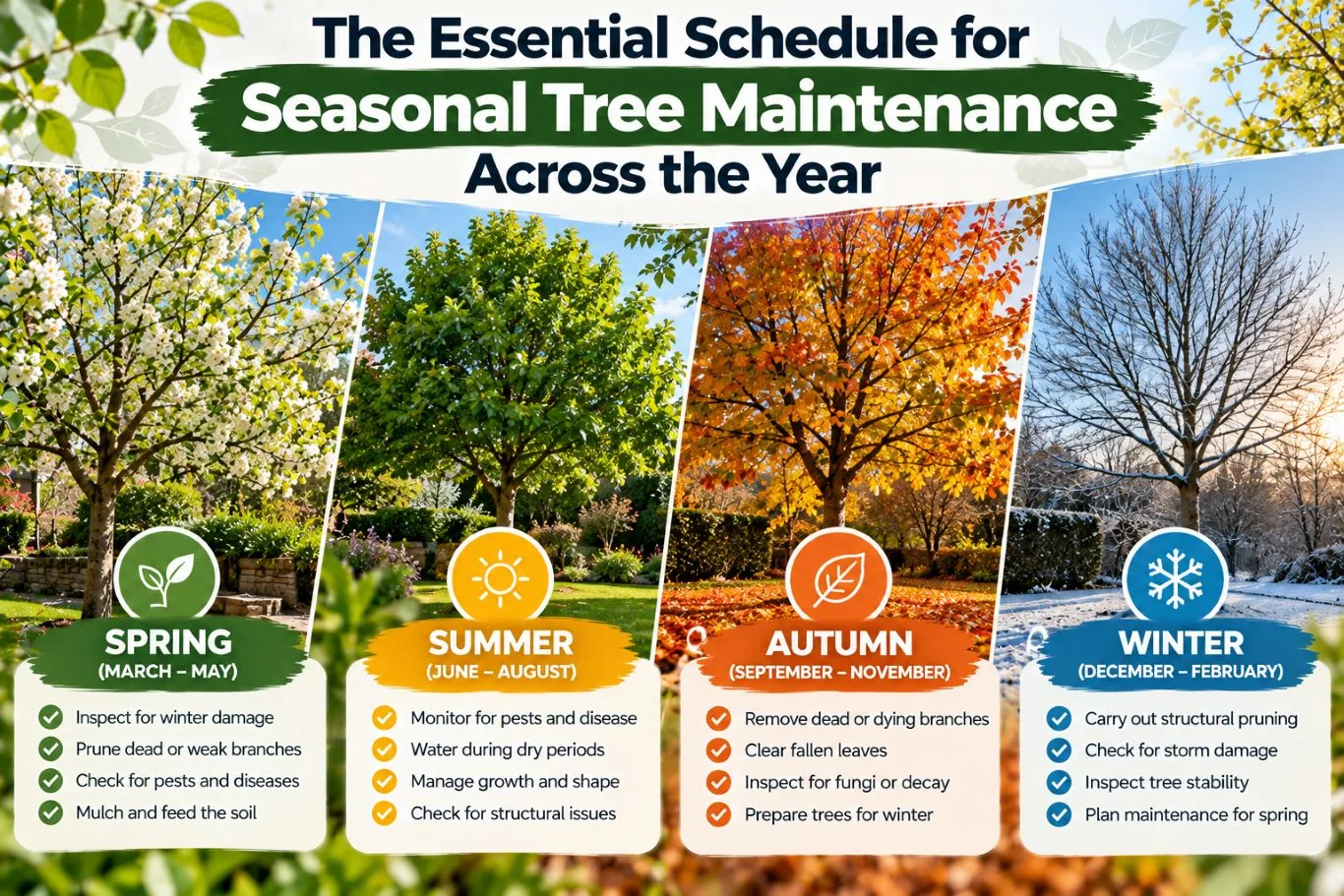
- Spring and Summer (Easiest to Identify): The growing season is the most straightforward time for visual inspections because live foliage provides an obvious contrast against bare, lifeless branches.
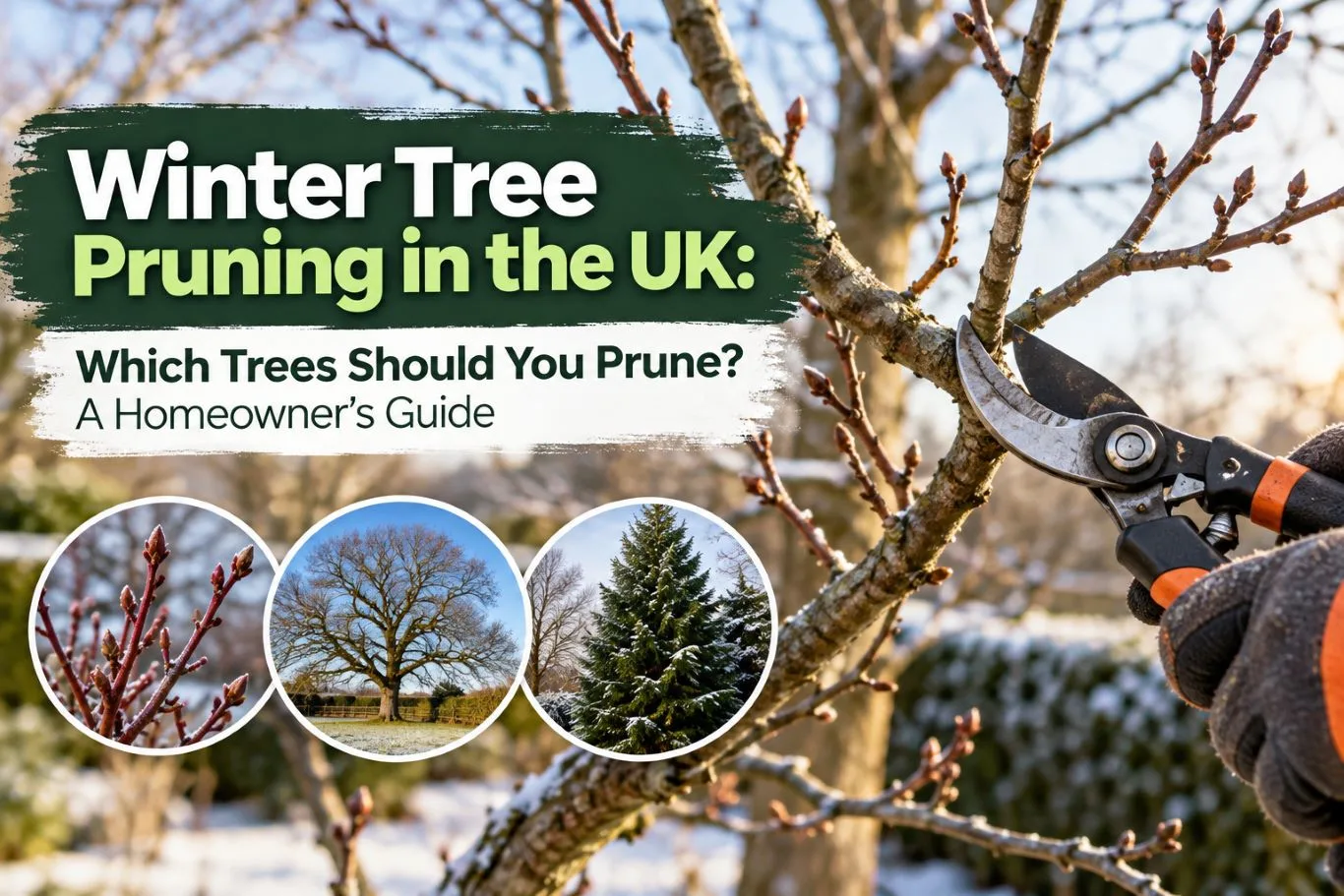
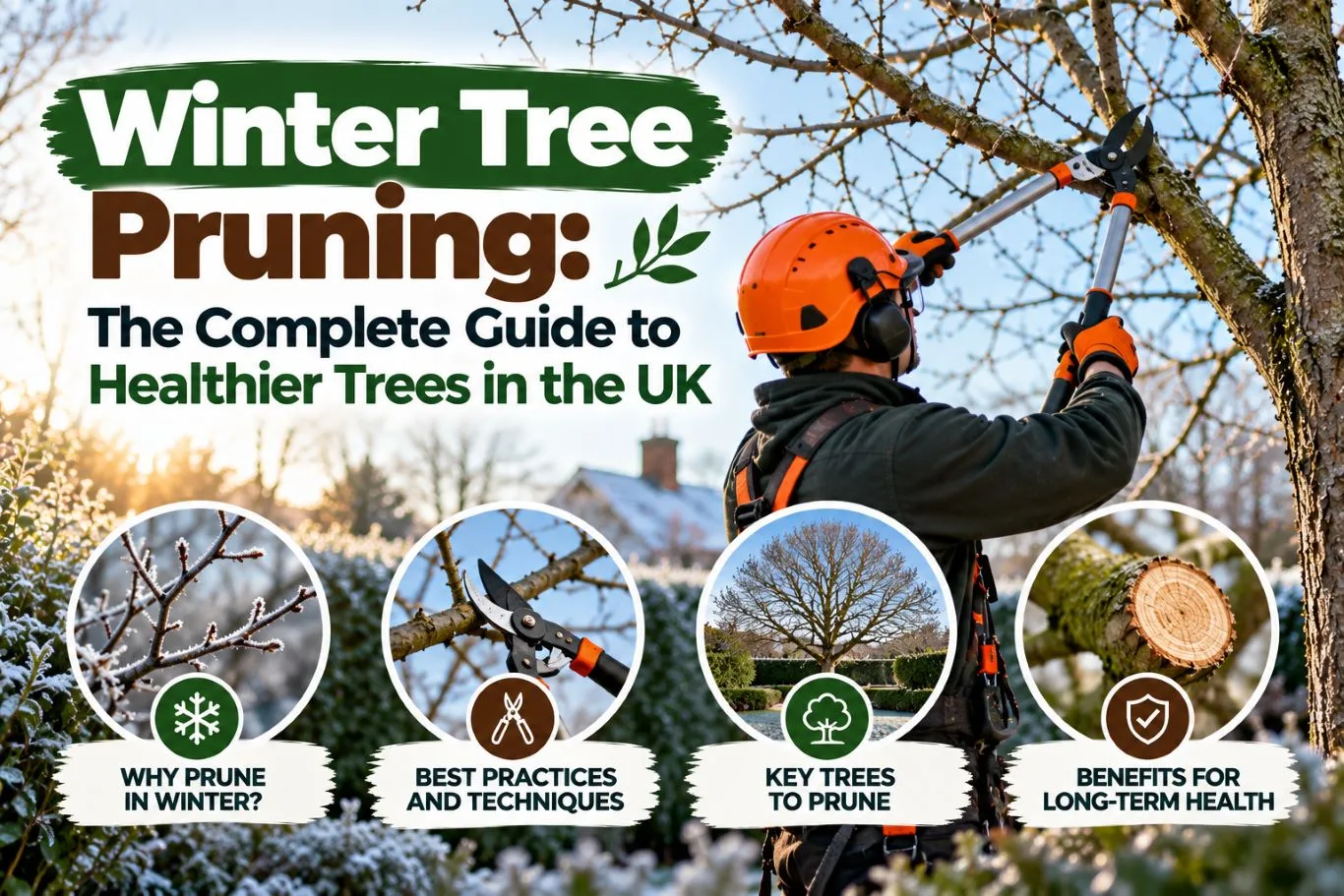
- Autumn and Winter (Best for Structure & Access): Once deciduous leaves drop, certified arborists have an unobstructed view of the tree’s structural skeleton, branch unions, and hidden fractures. Winter pruning also causes zero disturbance to nesting birds.
In reality, deadwood removal can be performed safely at any time of year. Because deadwooding does not remove live, photosynthesising foliage or active vascular tissue, the tree does not suffer seasonal sap bleeding or pruning shock. If a dead limb poses an immediate hazard, it should be removed promptly regardless of the calendar month.
DIY vs Professional Tree Surgeon: Knowing Your Limits
While homeowners can safely prune low-hanging dead twigs using hand-held secateurs or loppers from firm ground level, working on mature canopies requires specialist arboricultural training.
Why You Should Never Prune Deadwood from a Ladder
- Unpredictable Wood Strength: You cannot safely anchor a ladder or lean your weight against dead limbs; decaying branch collars can snap instantly under load.
- Falling Trajectories: Heavy dead limbs often rotate or twist unpredictably as they sever, creating severe strike hazards for operators standing directly below.
- Chainsaw Kickback Hazards: Cutting through dried, petrified hardwood creates severe chainsaw kickback risks, especially when operating at height.
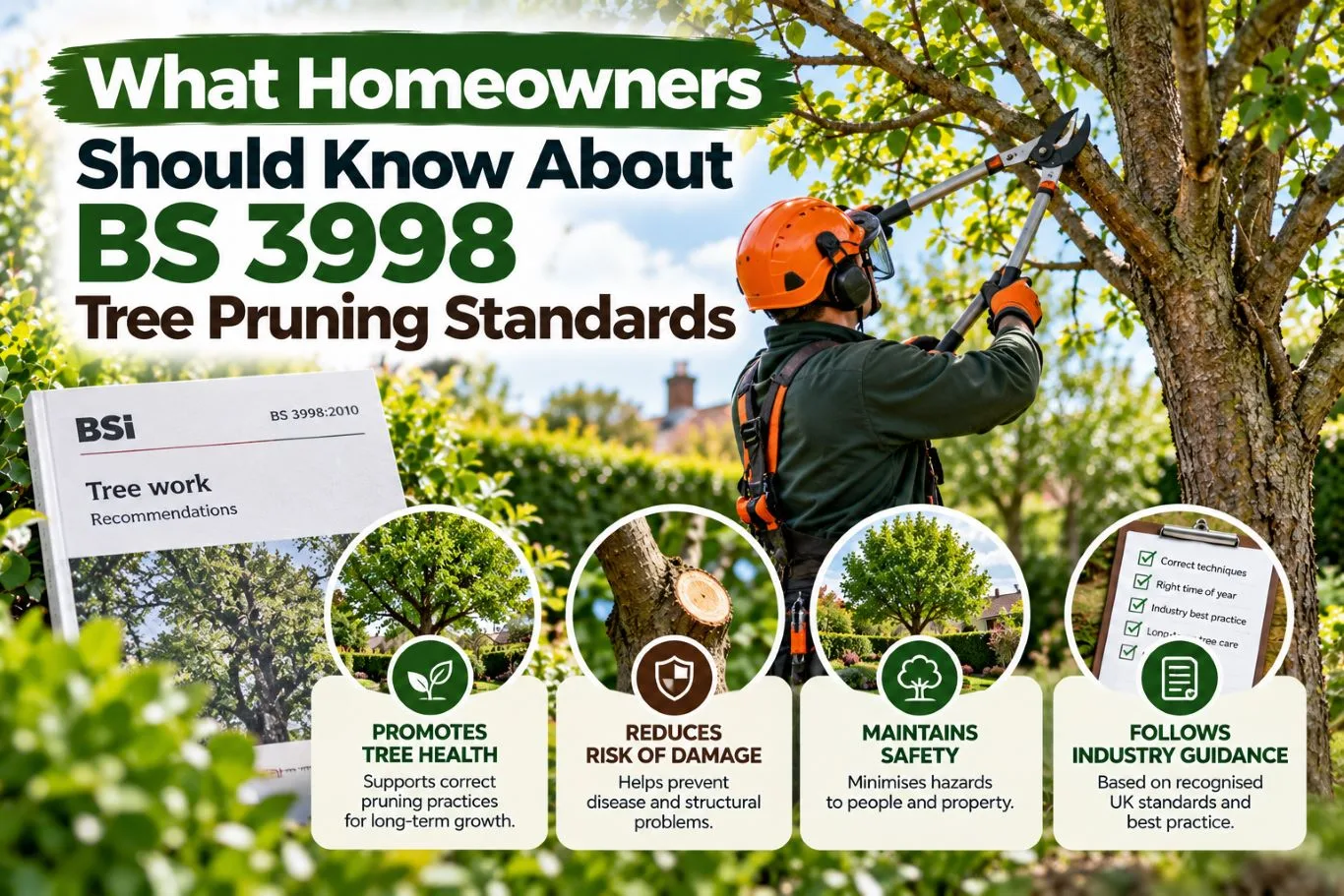
Hiring a professional tree surgeon guarantees that all work complies with British Standard BS 3998:2010 (Tree Work Recommendations). Certified climbers use specialized rope access equipment, MEWPs (cherry pickers), and lowering pulleys to rig dead limbs down smoothly, preventing impact damage to garden features below.
Furthermore, experienced tree surgeons know how to balance safety with biodiversity. When deadwood is located in a rural garden or wide woodland border away from human targets, arborists can recommend “monolithing” or creating ecological habitat stubs, preserving valuable nesting cavities for native birds, bats, and beneficial beetles without compromising safety.
Scheduling regular tree maintenance in Essex guarantees that your mature trees receive expert structural reviews, keeping your grounds safe, balanced, and compliant with all local planning guidelines.
FAQs
1. Does deadwooding harm the tree?
No, deadwooding is completely beneficial. Removing dead wood does not reduce the tree's photosynthetic capacity because the branches are already lifeless. When done correctly, cutting back to the outer edge of the living branch collar stimulates the tree to produce wound wood, sealing the site against rot.
2. How often should mature trees undergo deadwood removal?
For mature broadleaf trees (such as Oak, Ash, Beech, and Lime) situated near homes, footpaths, or parking areas, an arboricultural inspection and deadwood clean should ideally be carried out every 2 to 3 years, or immediately following severe seasonal gales.
3. How quickly can your local Essex team respond to an urgent tree issue?
We maintain a responsive, local presence. For standard garden consultations and risk surveys, our team can typically arrange an on-site visit within 24 to 48 hours. For high-risk, hanging, or storm-damaged limbs that threaten property, we provide rapid emergency response assistance.
4. What areas across the region do your arborists cover?
Our daily operational area spans the entire county of Essex—including Chigwell, Loughton, Buckhurst Hill, Woodford, Epping, Brentwood, and Romford—as well as adjacent East and North London boroughs.
5. Do I need council permission to remove deadwood from a protected tree?
Under UK planning law, removing deadwood from a tree covered by a Tree Preservation Order (TPO) or located within a Conservation Area does not require a formal planning application, as dead branches are exempt. However, the council must be given 5 working days' written notice before carrying out the work, and the exemption covers only genuinely dead timber.
Conclusion / Final Thoughts
Carrying out timely tree deadwooding is one of the most effective, responsible steps you can take to safeguard your household, prolong the life of your trees, and enhance the beauty of your grounds. By identifying brittle, leafless limbs early and understanding the structural hazards of unchecked decay, you prevent accidental property damage while supporting healthy canopy development.
At Chigwell Tree Services, we bring years of practical arboricultural expertise, industry-leading safety standards, and specialized rigging technology to every domestic and commercial property we serve. Whether you need an overarching safety assessment on a mature Oak or swift removal of hazardous limbs over your driveway, our certified team is ready to help. Protect your home and keep your garden thriving in complete safety—contact our friendly local specialists today to arrange your professional site survey.