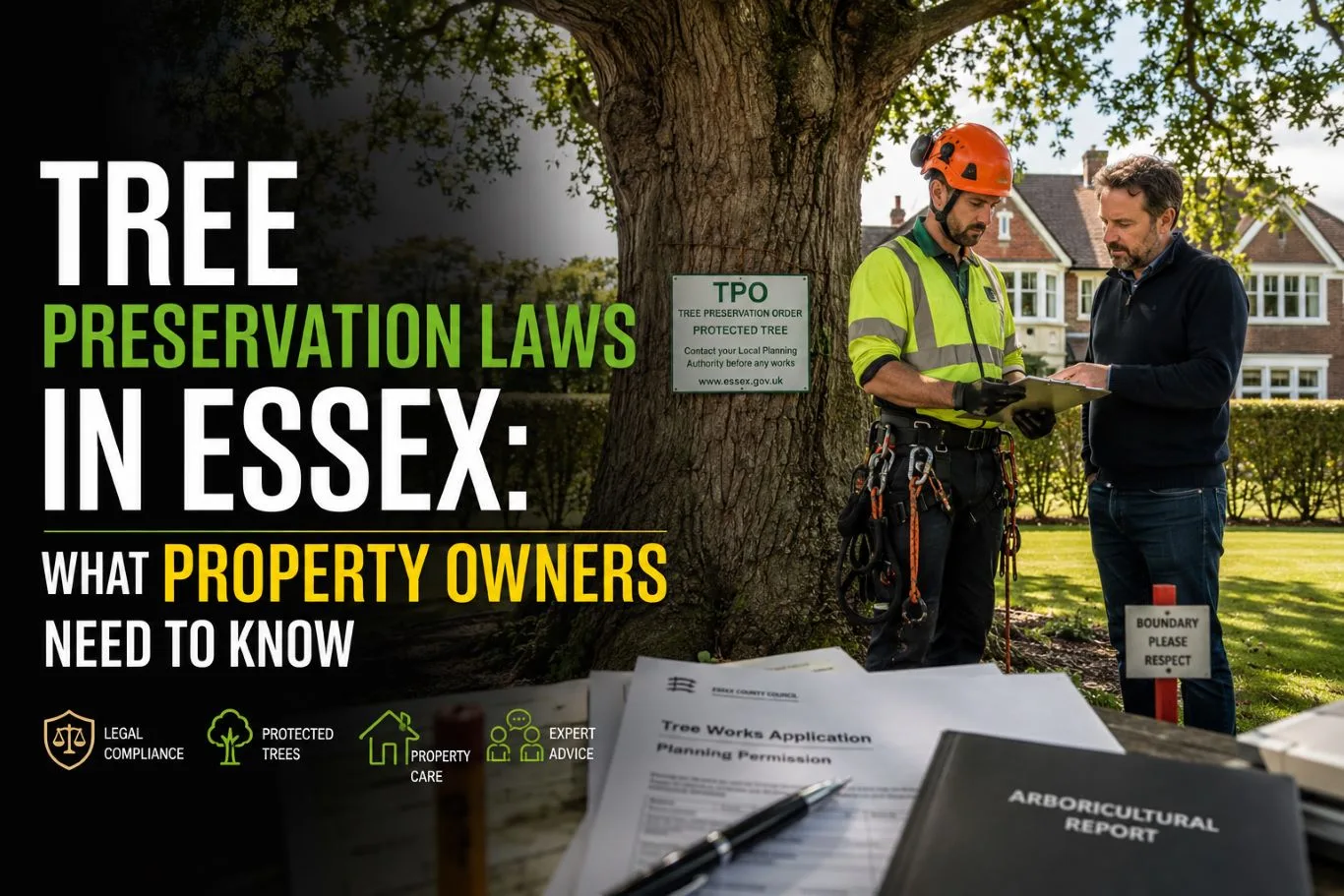
Quick Summary
- Navigating tree preservation laws in Essex is a critical legal requirement before executing any major tree pruning or felling on your property.
- Discover how to accurately check if your garden trees are subject to a Tree Preservation Order (TPO) or located within a Conservation Area.
- Learn about the severe financial penalties and legal consequences of conducting unauthorized tree work.
- Understand the step-by-step application process for obtaining council approval for essential tree maintenance.
- Find out how working with qualified arborists protects you from legal liability while keeping your trees healthy.
Introduction
Owning property with mature trees brings immense aesthetic value, natural privacy, and environmental benefits to your home. However, in the UK, trees are highly protected assets that contribute significantly to the local landscape and biodiversity. Before you pick up a chainsaw or hire a standard local handyman to cut back overhanging branches, it is essential to understand the specific legal framework governing your garden. Failing to check the legal status of a tree can result in heavy fines and a criminal record. Understanding tree preservation laws in Essex is the first step in planning any outdoor project, ensuring your landscape alterations remain fully compliant with your local planning authority. At Chigwell Tree Services, we specialize in managing these strict regulations on behalf of our clients, providing expert, fully compliant tree care that bridges the gap between property maintenance and environmental law.
Confused by local tree regulations? Message our team now on WhatsApp to check your tree's TPO status instantly :
The Core Foundations of Tree Protection Legislation
Tree protection in the UK is governed by precise regulations integrated into the national planning system. For property owners, these laws primarily manifest in two ways: Tree Preservation Orders (TPOs) and Conservation Area regulations.
What is a Tree Preservation Order (TPO)?
A TPO is a specific legal order made by a local planning authority—such as Epping Forest District Council, Chelmsford City Council, or Brentwood Borough Council—to protect specific trees or woodlands. The law makes it a criminal offense to cut down, top, lop, uproot, willfully damage, or willfully destroy a protected tree without the council's written consent. TPOs can apply to a single specimen, a group of distinct trees, or an entire woodland area.
Conservation Area Protections
Even if a tree does not have an individual TPO attached to it, it receives automatic legal protection if it stands within a designated Conservation Area. In these zones, any tree with a trunk diameter exceeding 7.5 centimeters (measured at 1.5 meters above ground level) is protected by law. Property owners must give the local council six weeks' written notice of their intention to carry out any work, giving the local authority time to assess the tree and determine whether a formal TPO should be placed upon it.
The Cost of Breaking the Law: Penalties and Enforcement
Local councils take the enforcement of tree regulations incredibly seriously. Ignorance of the law is never accepted as a valid defense in court.
- Fines for Destruction: If you deliberately destroy or cut down a protected tree without permission, you can be prosecuted in a Magistrates’ Court or Crown Court, resulting in an unlimited fine per tree.
- Fines for Unauthorized Pruning: If you carry out pruning or lopping work that damages the tree but does not completely destroy it, fines can still reach up to £2,500 per incident.
- Compulsory Replacement: In addition to financial penalties, the court will almost always order the property owner to plant a replacement tree of an equivalent species and size in the exact same location, which will automatically inherit the same legal protections.
How to Determine If Your Trees Are Protected
Before initiating any landscaping project, you must conduct proper due diligence. Never rely on the word of a previous homeowner or a neighbor regarding the status of your trees.
Using Interactive Council Maps
Most Essex local authorities provide public access to online, interactive planning maps. By entering your postcode, you can view your property boundaries and see if there are any highlighted TPOs or Conservation Area boundaries overlapping your land.
Direct Planning Inquiries
If an online search leaves room for ambiguity, the safest path is to submit a direct inquiry to the tree officer at your local council. Alternatively, when you engage a specialist firm, they will handle these legal checks on your behalf, cross-referencing official local land charges registers before any tools are brought to your site.
Navigating the TPO Application Process
If you have established that your tree is protected but genuinely requires maintenance—perhaps because it is blocking light, touching a roofline, or dropping deadwood—you must apply for formal consent.
Submitting an Application (Form 1APP)
The application process requires clear, precise, and arboricultural terminology. The council expects a formal description of the proposed works, such as “crown reduction of an Oak tree by no more than 2.5 meters,” rather than vague phrases like “lopping a big tree.” You must also provide a scale diagram of your garden showing the exact location of the tree relative to your house and boundaries.
Providing Authoritative Evidence
If you are applying to prune or remove a tree due to structural property damage (like subsidence) or structural tree decay, you must supply supporting evidence. This might include a structural engineer’s report or a detailed decay assessment from a qualified specialist. The council typically takes up to eight weeks to process a TPO application, and work cannot begin until you have received an official decision notice in writing.
The Essential Exceptions: When Can You Cut Without Consent?
While the law is restrictive, it is designed with common sense in mind. There are a few specific exemptions where prior consent is not strictly required, though caution must still be exercised.
Immediate and Dangerous Risks
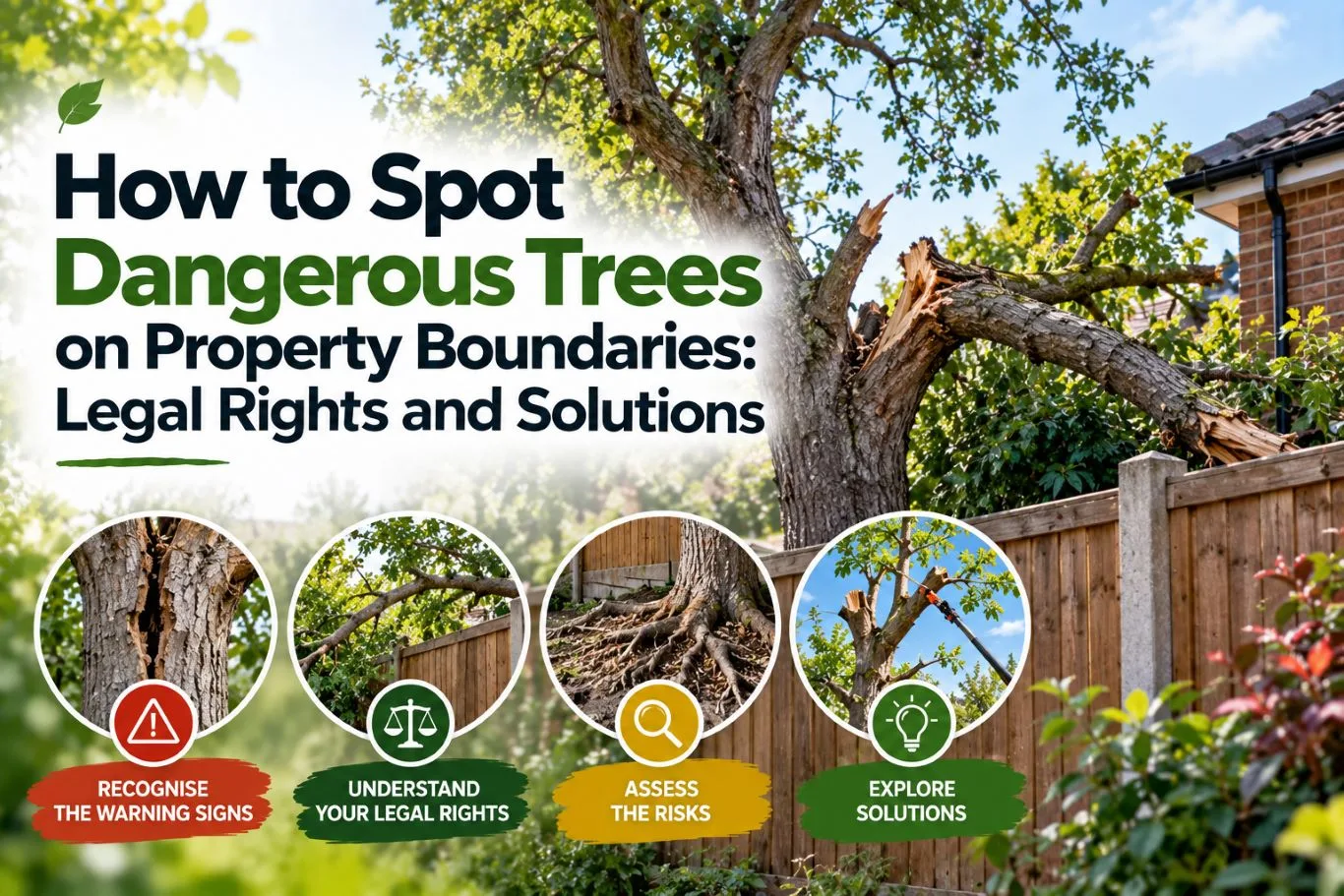
If a tree is dead, dying, or poses an immediate, clear danger to life or property—such as a trunk splitting apart after a severe winter storm—you are exempt from the standard eight-week application period. However, the burden of proof rests entirely on the property owner. You must give the council at least five days' notice unless the danger is an absolute immediate emergency. You must also take extensive photographic evidence and gather written statements from an arborist to prove the tree's hazardous state before any wood is cut.
Fruit Tree Maintenance
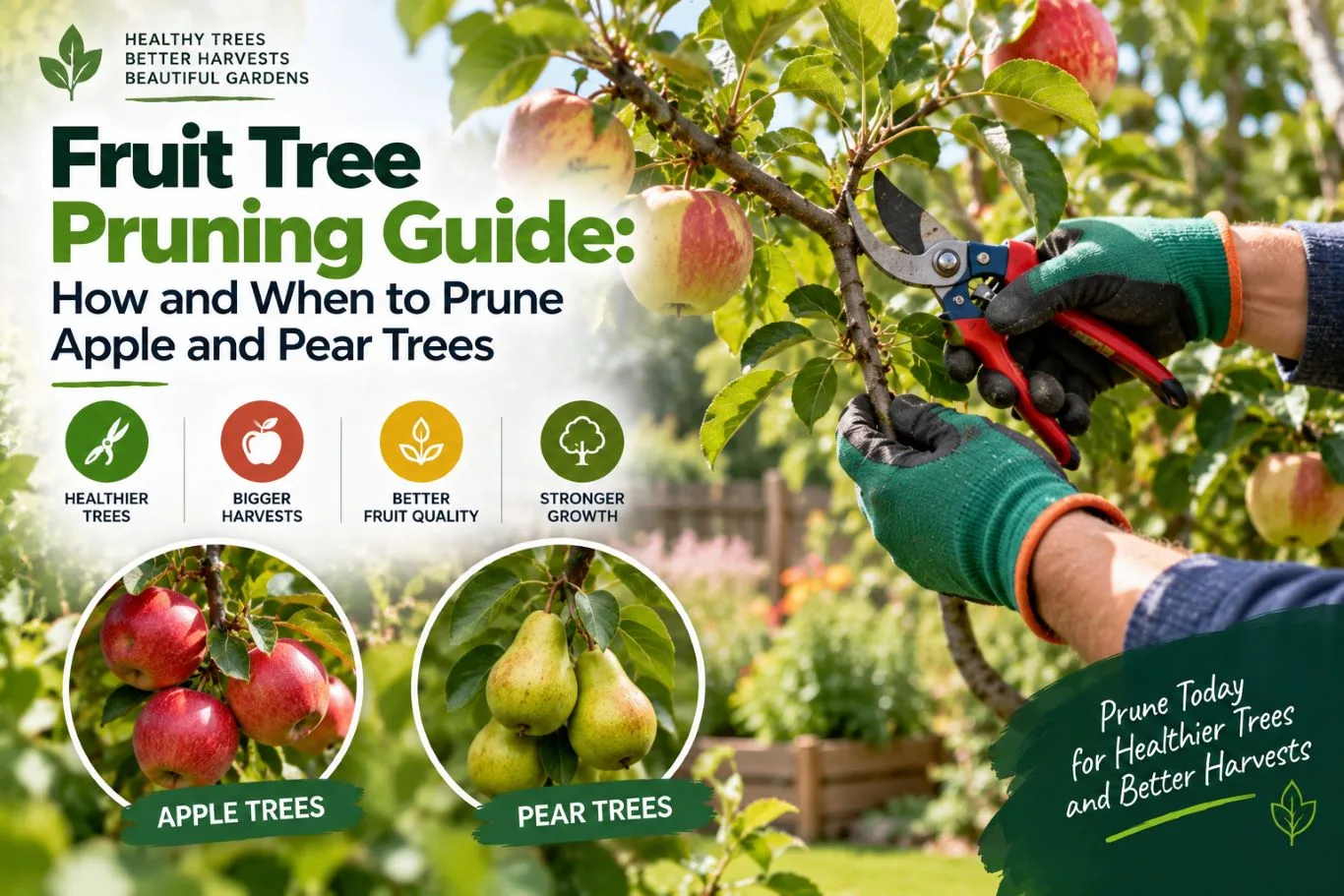
Pruning fruit trees in the course of a commercial business or standard orchard cultivation is often exempt, provided the pruning follows recognized agricultural standards. However, pruning an ornamental fruit tree in a residential garden simply for shape or size usually still requires permission if a TPO is present.
How Certified Tree Services Protect Your Legal Interests
Hiring an unvetted, uninsured contractor to work on a protected tree carries massive risks. If an amateur worker cuts down a protected tree on your property, both you and the worker can be prosecuted simultaneously.
Adherence to British Standards (BS 3998:2010)
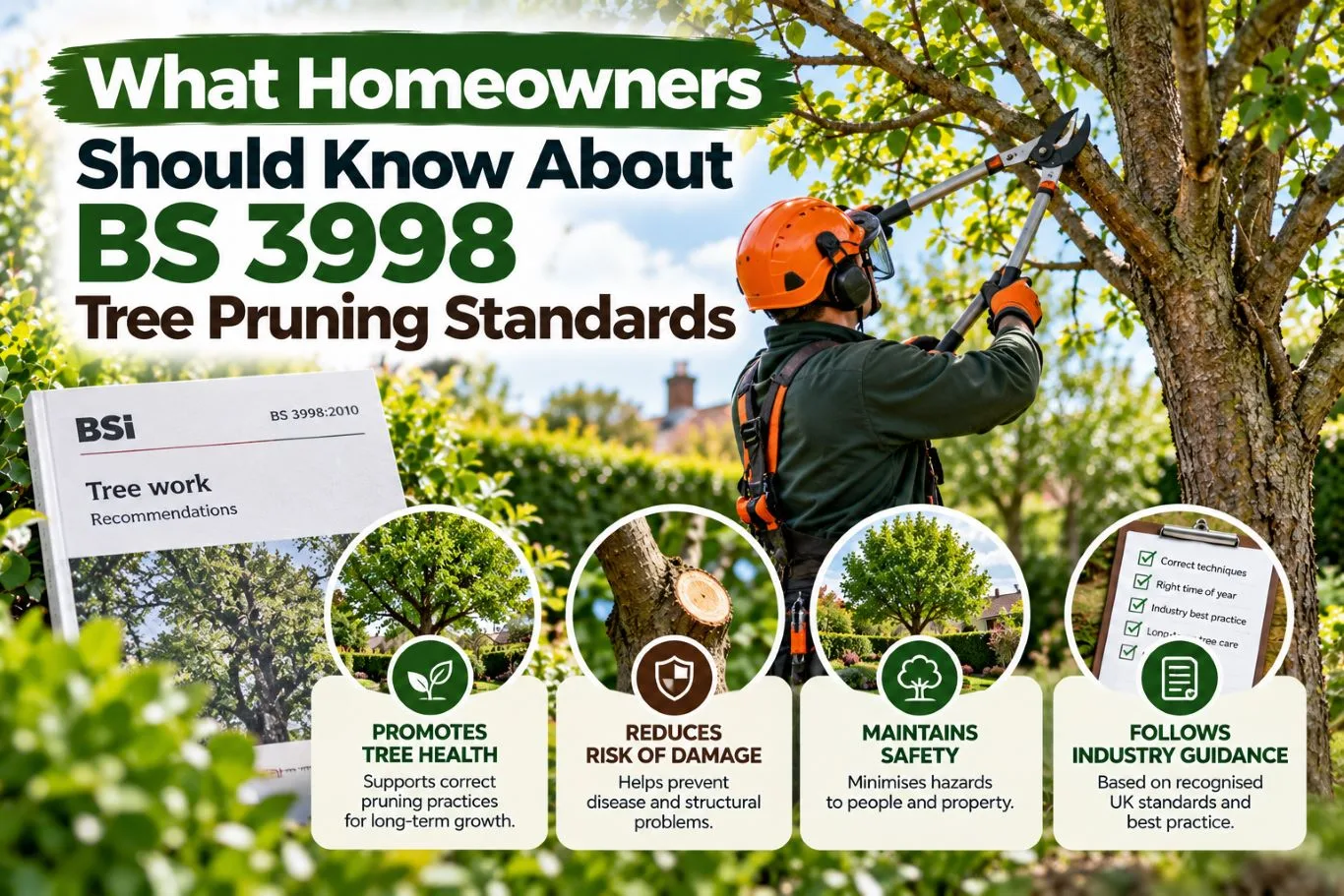
Qualified professionals operate strictly under the guidelines of BS 3998:2010 (Recommendations for Tree Work). This ensures that any pruning approved by the council is executed cleanly, preserving the health of the tree and ensuring that the cuts match the exact specifications laid out in your council consent form. Straying beyond the approved measurements is a direct breach of the law.
Risk and Liability Management
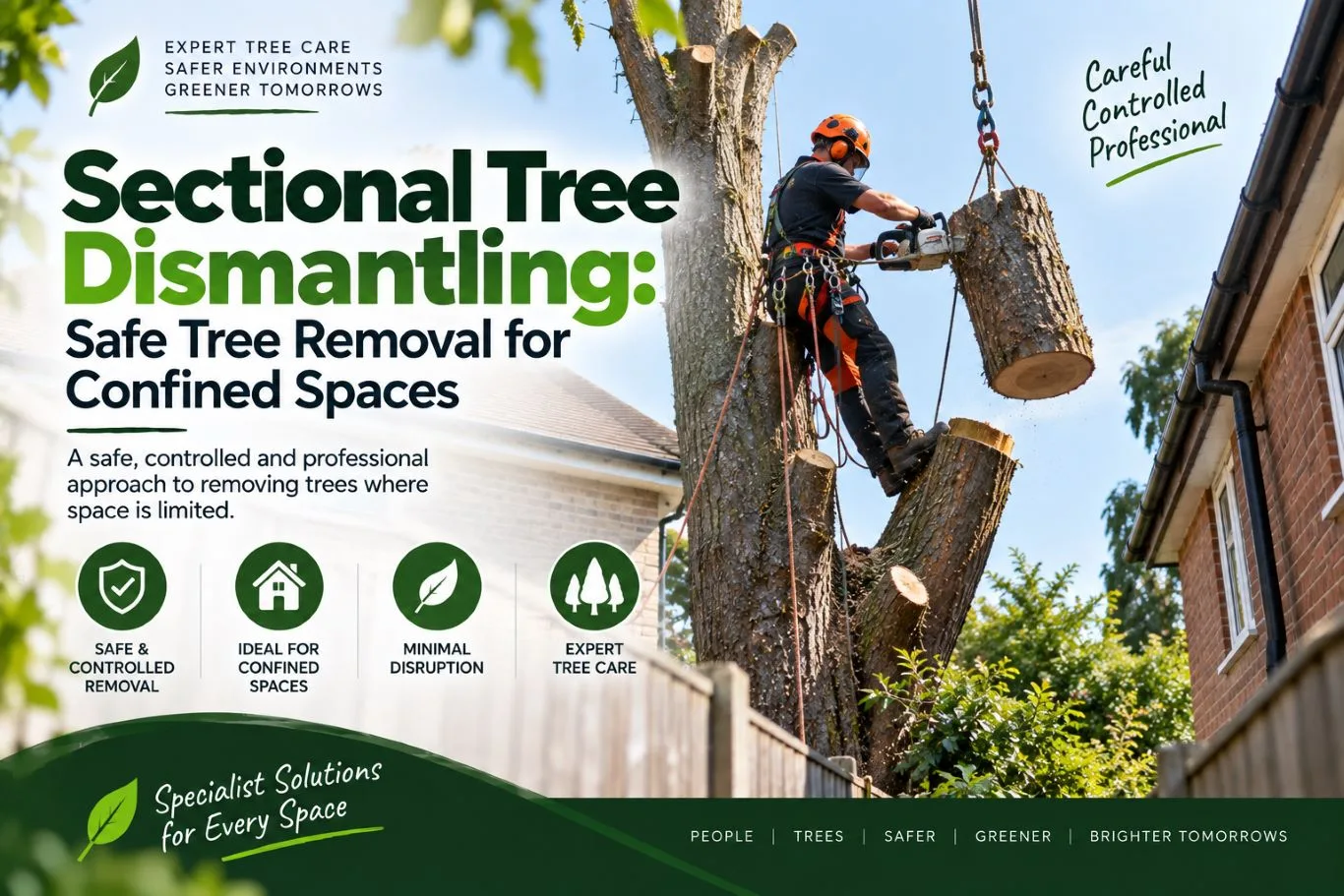
A professional organization handles the entire administrative burden for you. From compiling the precise technical data for the initial council application to executing the physical climbing and cutting safely, professional management removes the stress of legal non-compliance and structural property damage entirely.
FAQs
Q1: How do I find out if a tree on my property has a TPO?
You can check the planning portal on your local Essex council's website or contact their land charges department directly. Our team can also perform these official checks for you prior to scheduling any work.
Q2: How long does it take for an Essex council to approve a tree work application?
The statutory period for a TPO application is eight weeks. For a Conservation Area notification (Section 211 notice), the council has six weeks to respond.
Q3: What happens if a neighbor's protected tree is overhanging my property line?
Under common law, you have the right to trim overhanging branches back to the boundary line, but if the tree is protected by a TPO or is in a Conservation Area, that common law right is overridden. You must still apply to your neighbor's local council for permission before touching the branches.
Q4: Do you provide tree assessment and application services across the entire county?
Yes, our coverage spans across Chigwell, Epping, Loughton, Woodford, and the wider Essex and North London areas. We interact regularly with local council tree officers across these districts.
Q5: Can a TPO be placed on any species of tree?
Yes. A TPO can be placed on any tree species, from traditional British Oaks and Beeches to garden conifers and fruit trees. The protection is based entirely on the tree's visual, environmental, or historical value to the public, not its botanical classification.
Conclusion / Final Thoughts
Managing the trees on your property requires a careful balance between your personal landscaping desires and the legal frameworks established to preserve our natural heritage. Tree preservation laws in Essex are clear, and the consequences of ignoring them can be financially and legally devastating. By taking a proactive approach, checking local registers, and obtaining the necessary council permissions, you can manage your garden safely, legally, and responsibly.
Navigating local council planning departments doesn't have to be a source of stress or project delays. At Chigwell Tree Services, we pride ourselves on being a reliable, expert team that handles everything from initial legal checks and council submissions to high-quality arboricultural execution. Whether you need a simple crown reduction in a Conservation Area or require an emergency risk assessment for a failing oak, we ensure your project stays completely aligned with local environmental policies. Protect your home and your peace of mind by letting a certified team handle your next garden project with total legal and professional integrity.