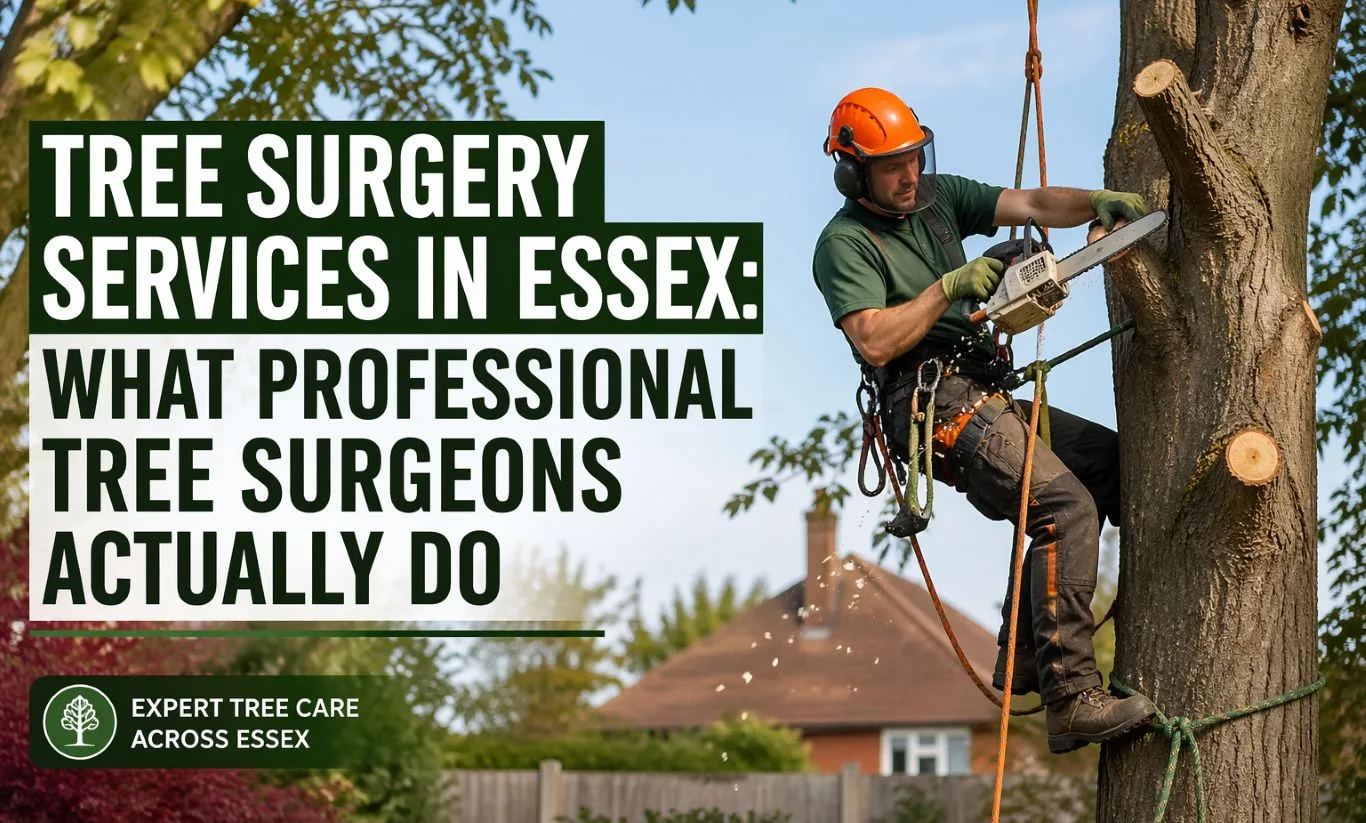
Quick Summary
- Tree surgery services are essential for maintaining the health, safety, and aesthetic appeal of your property’s trees.
- This article breaks down the technical operations involved in professional arboriculture, from crown thinning to complex site clearances.
- Learn why proper qualification, insurance, and local experience are the cornerstones of safe tree management.
- Understand the legal nuances of TPOs (Tree Preservation Orders) and how they impact your gardening plans.
- Gain clarity on when to call in experts to mitigate risks from diseased, decaying, or storm-damaged trees.
When to Seek Professional Tree Surgery Services
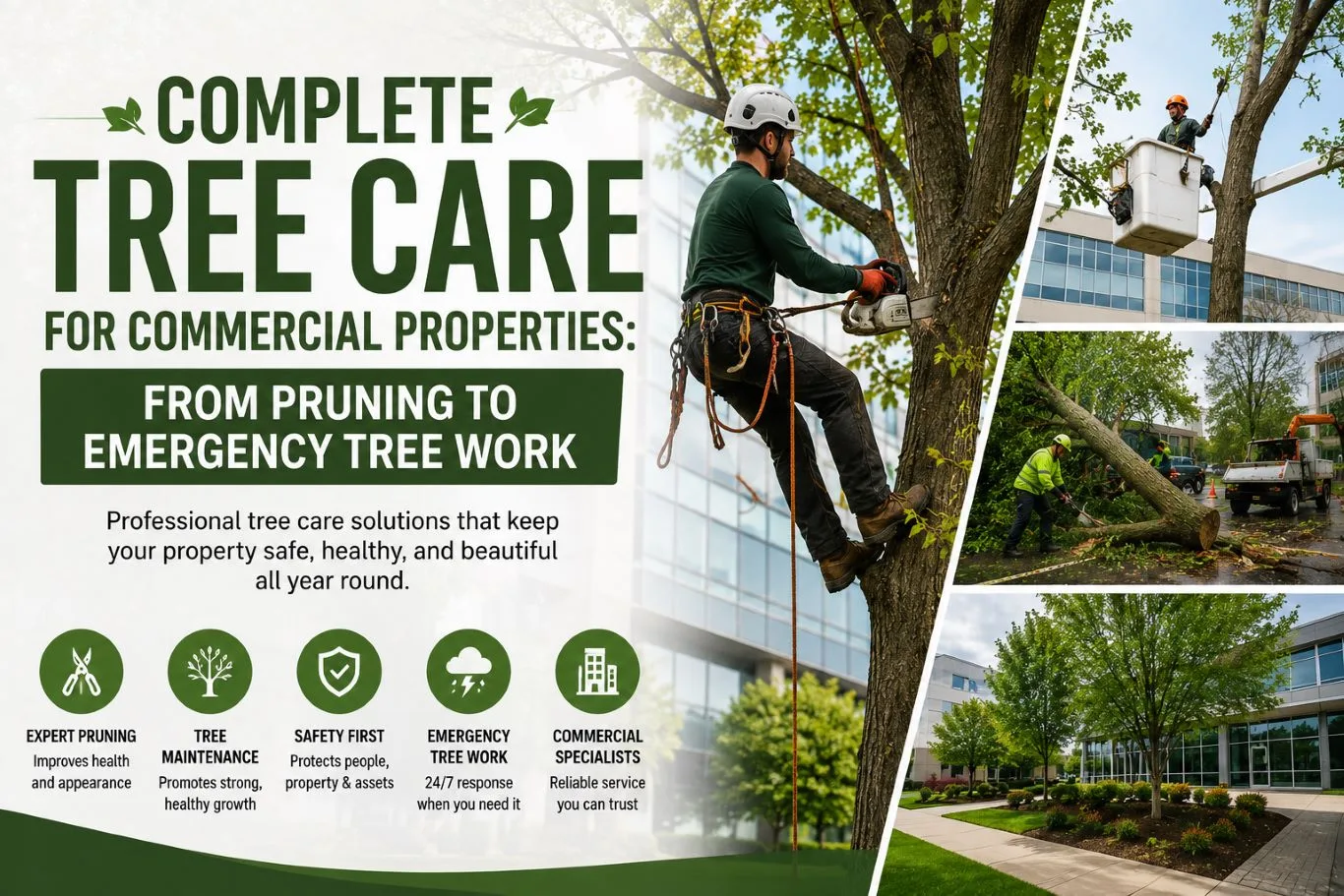
When people think of a garden, they often focus on the lawn, the flower beds, or the patio furniture. However, the true vertical anchors of any landscape are the trees. While they are often low-maintenance, there inevitably comes a time when they require professional attention—whether it’s to improve light penetration, remove dangerous deadwood, or manage growth near power lines. This is where professional tree surgery services become indispensable. At Chigwell Tree Services, we believe that every tree has a specific role in your garden’s ecosystem, and providing high-quality tree surgery services in Essex is about balancing the needs of the tree with the safety and comfort of the homeowner.
From complex removals to delicate pruning, get the professional care your trees deserve by contacting us now:
Understanding the Role of an Arborist
A common misconception is that a “tree surgeon” is simply someone with a chainsaw and a ladder. In reality, modern arboriculture is a highly technical discipline rooted in biology and physics. A qualified tree surgeon does not just cut branches; they perform complex structural assessments to ensure that every cut promotes the tree’s long-term health.
Whether you are looking for a routine trim or a major removal, professional tree surgery services involve a rigorous process of risk assessment. We look for signs of fungal infection, structural defects like ‘included bark' (where two stems grow together tightly, creating a weak point), and soil compaction issues. By understanding these biological markers, we can perform work that prevents future failure rather than just reacting to it.
The Core Techniques Explained
To provide a comprehensive tree surgeon service, professionals employ a variety of industry-standard techniques. Each of these serves a specific purpose, and choosing the right one is what differentiates a novice from a seasoned professional.
1. Crown Thinning
Crown thinning is the process of selectively removing small, living branches from the canopy. The goal is to allow more light to reach the ground below while reducing wind resistance for the tree. It is particularly popular in gardens where homeowners want to maintain the tree's overall shape but feel the shade has become too dense.
2. Crown Lifting
Often used for trees near roads, footpaths, or properties, crown lifting involves removing the lower branches. This provides necessary clearance for pedestrians, vehicles, or to simply “open up” the view from your windows. It must be done carefully to ensure that the removal of lower limbs doesn't leave the main trunk vulnerable to sunscald or disproportionate growth.
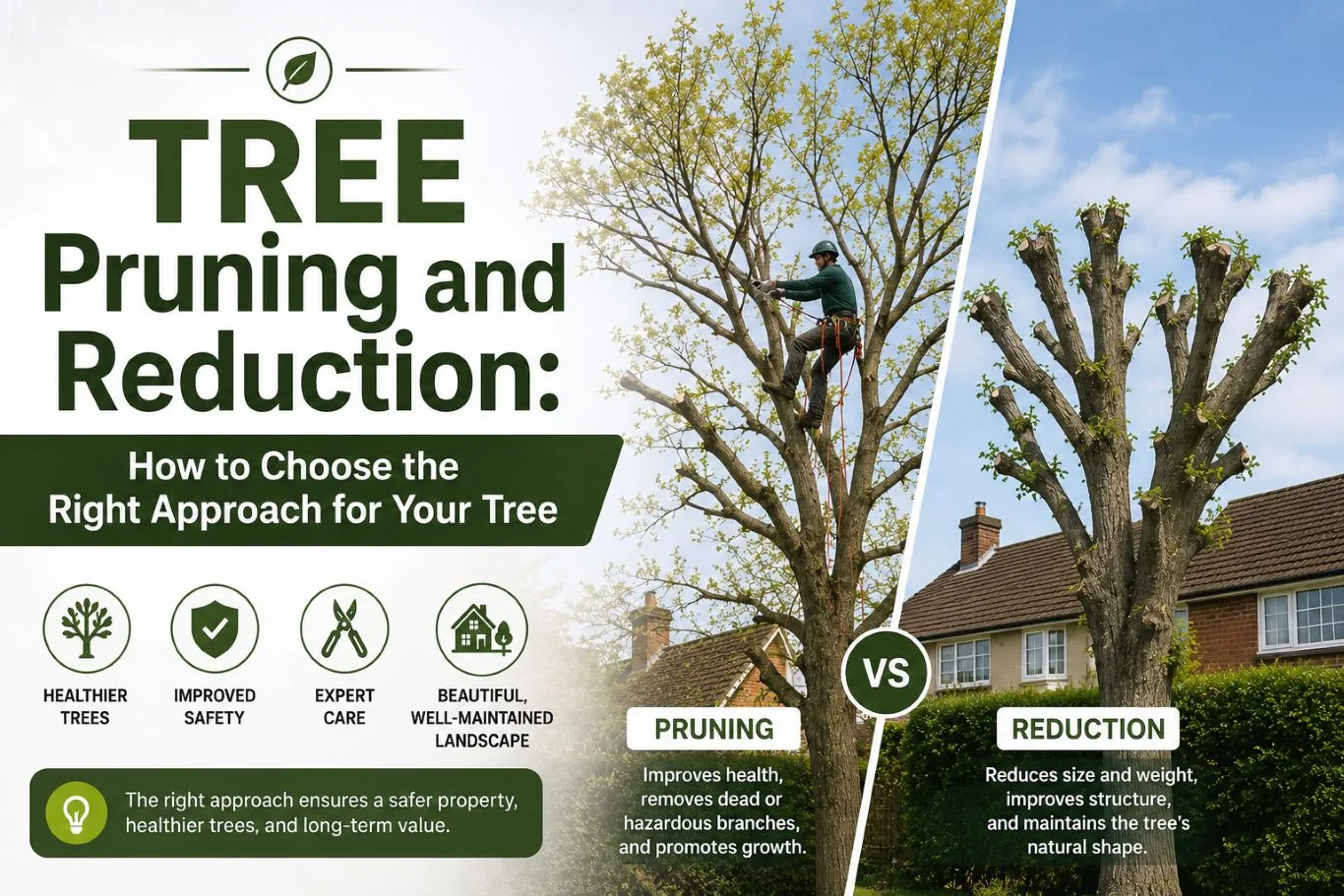
3. Crown Reduction
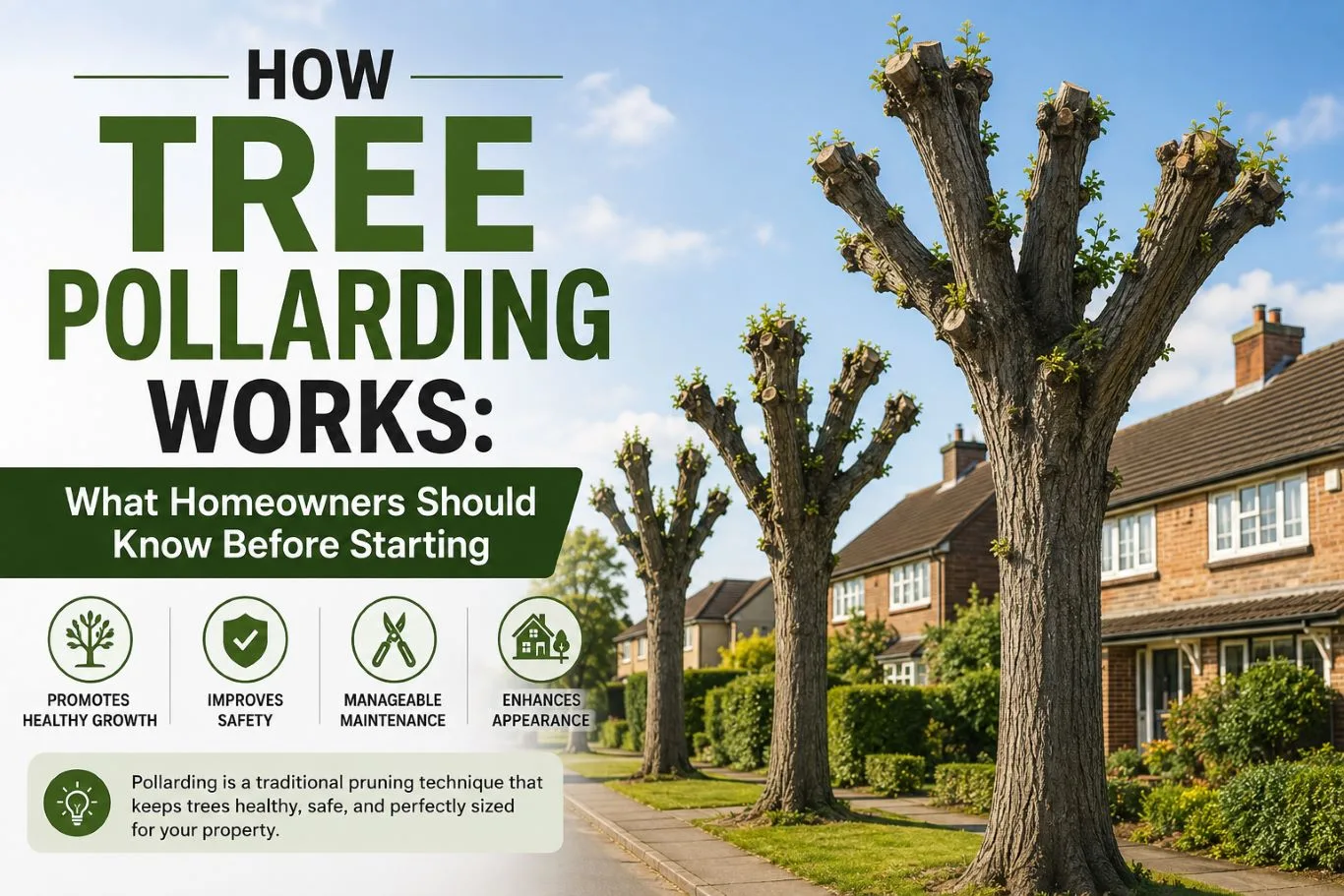
Unlike topping—which is widely considered detrimental to a tree’s health—a proper crown reduction involves shortening the branches to reduce the overall volume of the tree. This is ideal for trees that have simply outgrown their space. By making cuts at the correct branch collars (the swollen area where a branch joins the trunk), the tree can heal effectively, preventing decay from entering the main stem.
4. Deadwooding
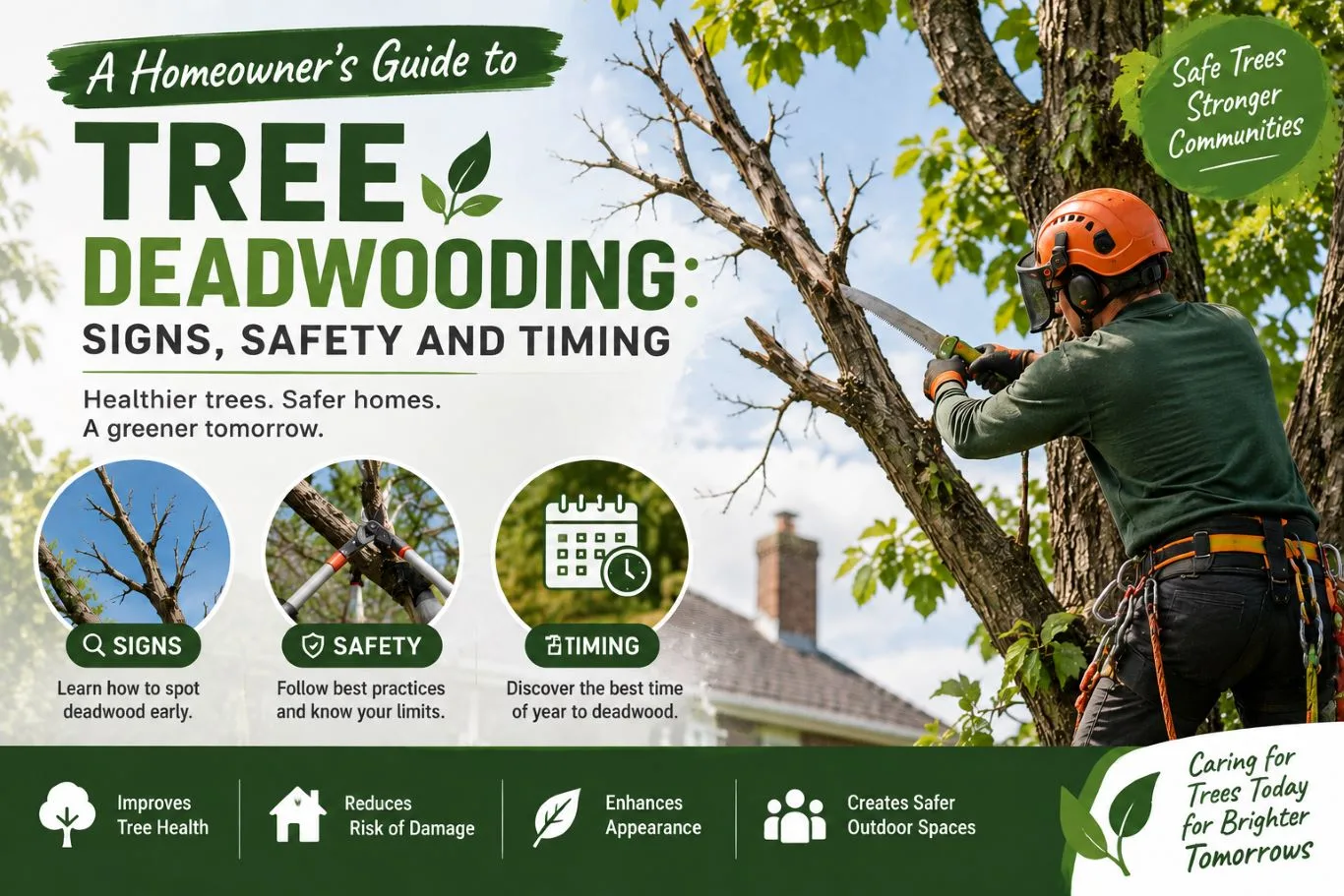
Deadwooding is arguably the most common and vital of all tree surgeon services. Over time, even healthy trees will naturally lose limbs. In a forest, these limbs fall safely. In a suburban garden, they can fall on cars, roofs, or people. We meticulously remove these dead sections, often referred to as “hazardous wood,” to prevent accidents.
Arboriculture Standards and Equipment
A professional tree surgery service is defined by its adherence to safety standards, specifically BS 3998:2010 in the UK. This is the governing code of practice for recommendations for tree work. When you engage a reputable firm, you aren’t just paying for the labor; you are paying for the specialized gear, such as climbing harnesses, friction devices for lowering heavy limbs, and woodchippers that turn waste into reusable mulch.
It is interesting to note how the approach to a tree surgery service in the UK has evolved over the last decade. We now place a much stronger emphasis on environmental impact. Waste management is a huge part of the operation—almost 100% of the material we remove is recycled into firewood, biomass, or garden mulch. This circular approach ensures that your tree removal or maintenance has the smallest possible carbon footprint.
Addressing Legal Constraints
One of the most complex aspects of our work involves the legal protection of trees. If your property falls within a Conservation Area, or if your trees are protected by a Tree Preservation Order (TPO), you cannot simply perform work without permission from the local council.
Navigating these regulations can be a headache for homeowners. A professional team doesn’t just perform the cuts; they provide the administrative support to handle these applications. This includes submitting detailed arboricultural reports that justify the necessity of the work, saving you from potential fines and legal disputes.
When to Call for a Professional
How do you know when it’s time to call for a tree surgeon service? Often, it’s about observation. Look for these red flags:
- Fungal Growth: Mushrooms or bracket fungi at the base of the trunk or on the branches are often indicators of internal decay.
- Leaning: A tree that has suddenly developed a lean or has a trunk that is lifting at the roots is an immediate safety concern.
- Dead Branches: If you see large branches without leaves during the growing season, they are likely dead and pose a falling hazard.
- Utility Interference: If branches are rubbing against power lines or your roof, it’s time to intervene before physical damage occurs.
FAQs
Q1: How long does it take for a tree surgeon to respond to a query?
Most reputable firms, including Chigwell Tree Services, aim to conduct a site visit within 24 to 48 hours of your initial inquiry. If the situation is an emergency, such as a fallen tree blocking a driveway, we prioritize these to ensure your property is made safe as quickly as possible.
Q2: Are you available for work across all of Essex?
Yes, our team provides comprehensive coverage throughout Essex and the surrounding areas. We are familiar with the specific tree species common to the region and the local council regulations governing them.
Q3: Do I need to be home when the work is performed?
Generally, no. As long as we have access to the site and the trees in question, our team can carry out the work while you are away. We will ensure the area is left tidy and secure before we leave.
Q4: What is the difference between felling and dismantling?
Felling is the act of cutting a tree so it falls in one piece—this requires significant open space. Dismantling is the process of removing the tree in sections using climbing gear and rigging. Most urban trees require dismantling to ensure safety.
Q5: How do I check if my tree has a TPO?
Your local council’s website usually has an interactive map where you can search for your address. Alternatively, as part of our consultation, we can check the status of your trees for you.
Final Thoughts
Managing the trees on your property is a long-term investment in your home’s safety and aesthetic value. While it may be tempting to tackle minor pruning yourself, the structural integrity of your trees is best left to those with the training and insurance to manage them correctly. Whether you are dealing with a TPO application, a diseased limb, or simply a tree that has grown too large for its space, hiring professional tree surgery services ensures the job is handled with precision and care.
By prioritizing professional tree surgeon services, you are protecting your assets and contributing to the health of the local canopy. If you are looking for reliable and high-quality tree surgery services near me or tree surgeons near me, we encourage you to seek out qualified, insured professionals who put the welfare of the tree first. Chigwell Tree Services is committed to delivering just that—expert advice, safe practices, and a professional finish that leaves your garden looking its best.
Looking to get expert and affordable tree surgery services in Essex?