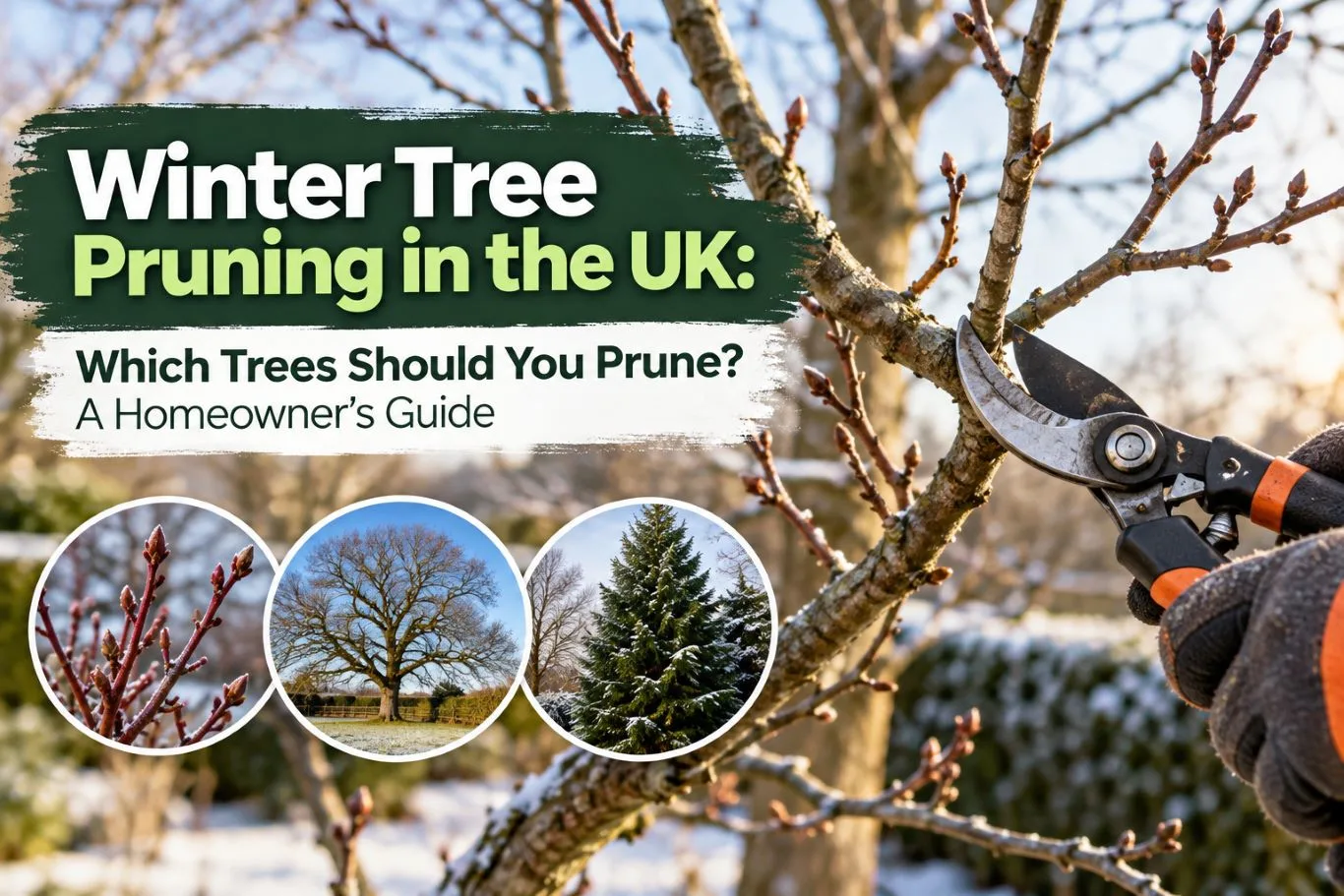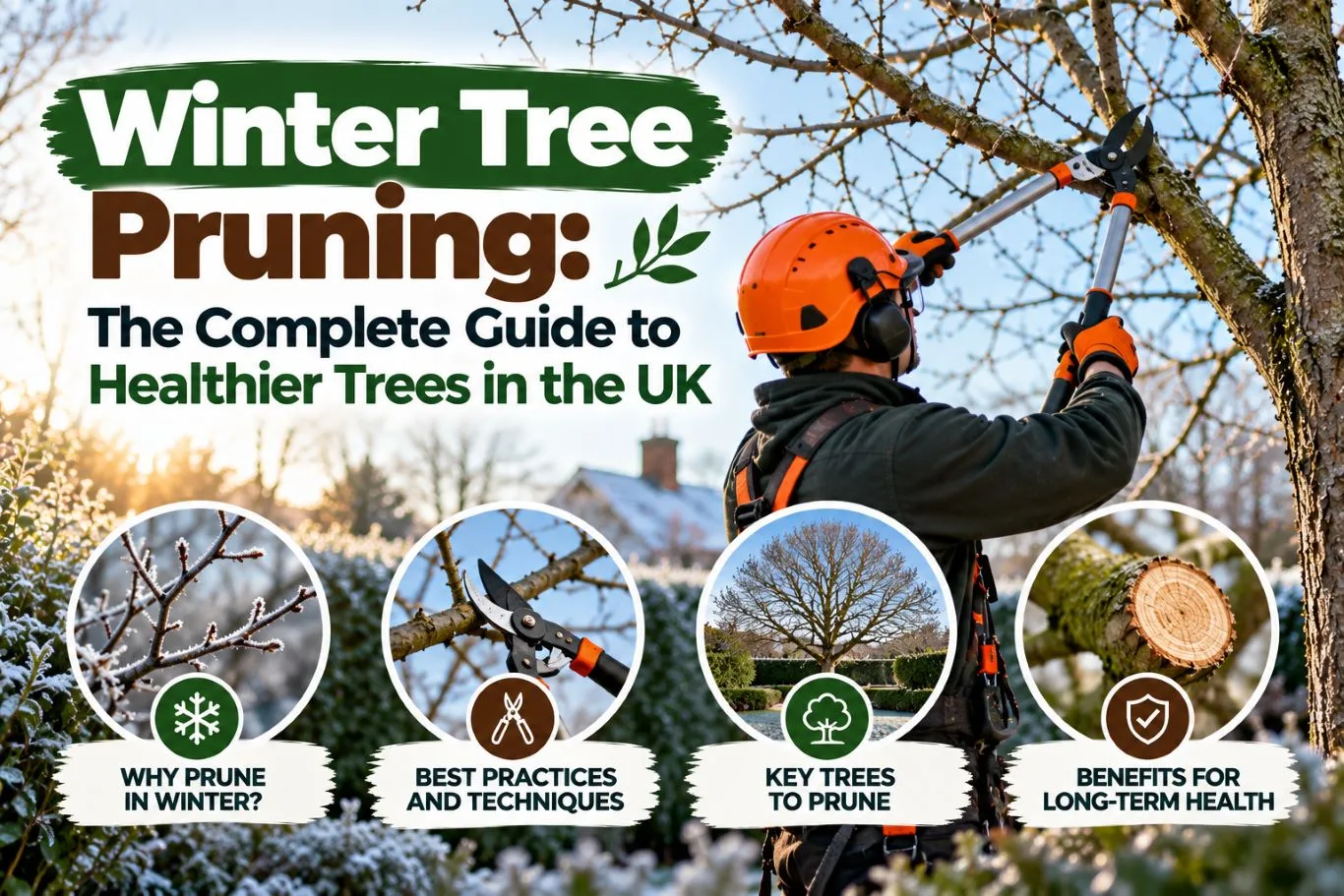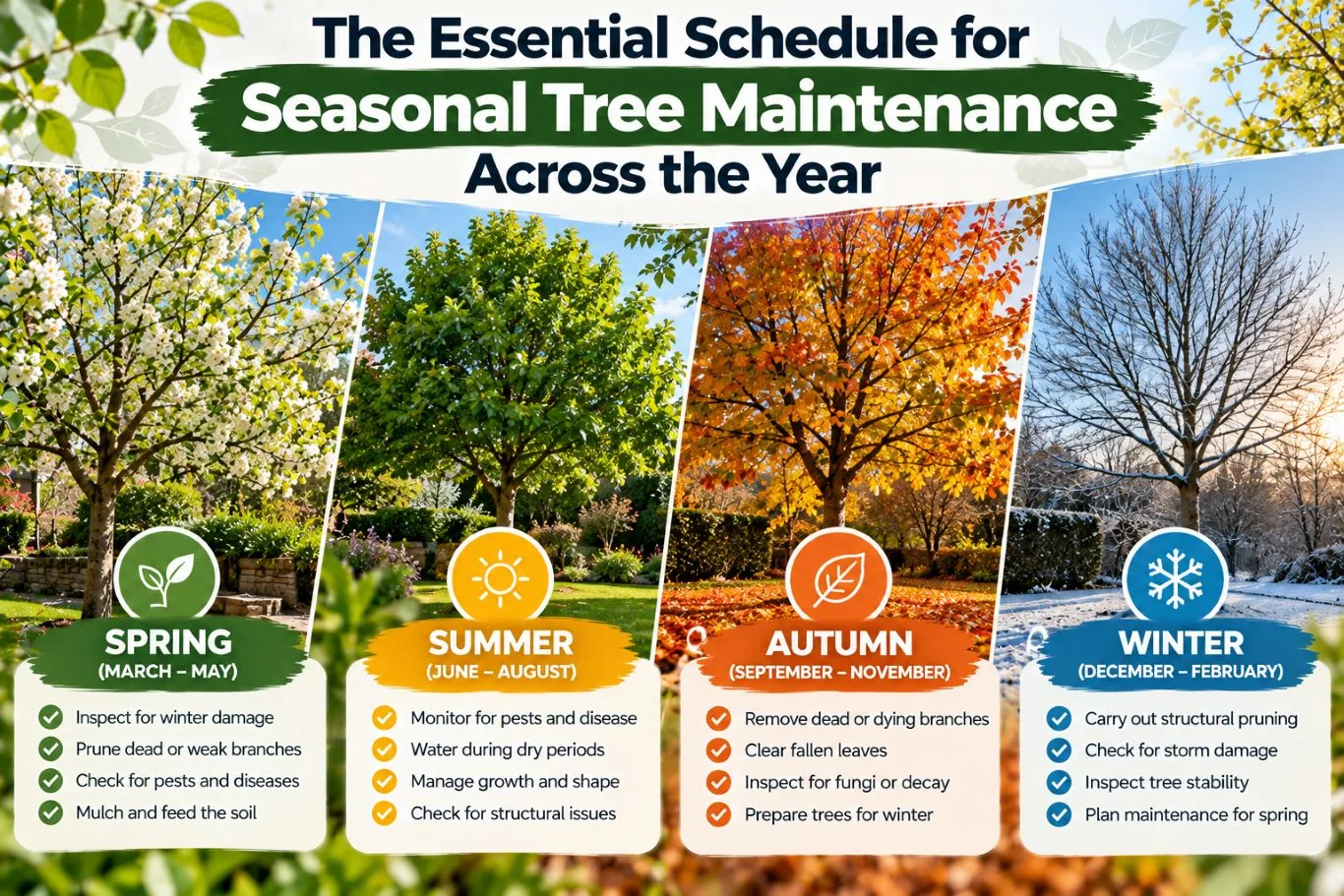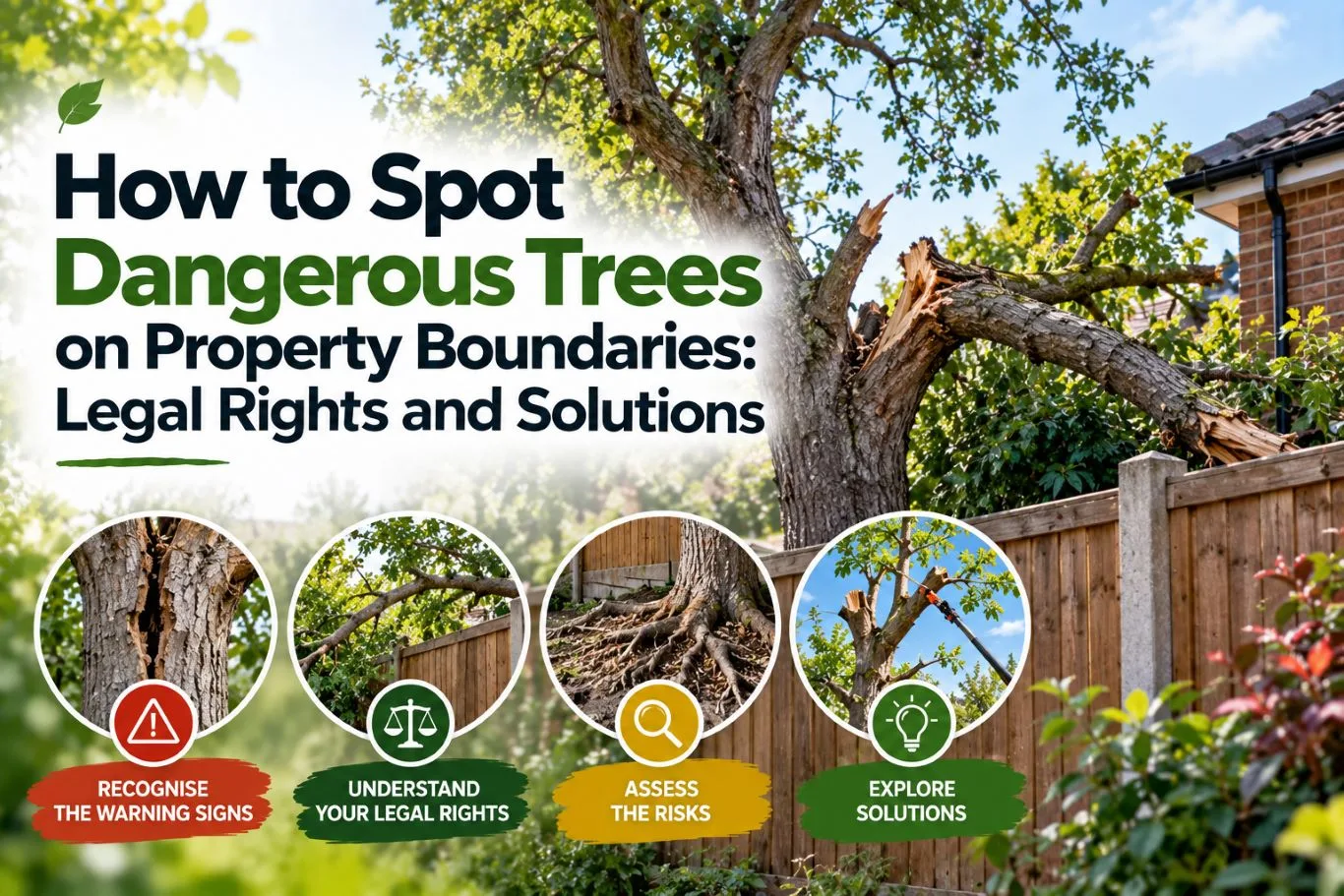
Quick Summary
- Tree pruning in summer serves as an essential maintenance method to manage growth, enhance fruit production, and improve structural integrity.
- Discover how seasonal pruning allows for the immediate identification and clean removal of dead, diseased, or dying wood.
- Learn how summer cuts heal rapidly, restricting the entry points for aggressive pests and localized vascular diseases.
- Understand the delicate balance required to thin the canopy without causing heat exhaustion or exposing branches to sunscald.
- See how professional maintenance helps maximise natural sunlight penetration throughout your broader garden landscape.
Introduction
For generations, traditional gardening folklore dictated that tree work should be kept exclusively as a cold-weather chore. While the winter dormancy period remains ideal for major structural changes or heavy renovations, modern arboriculture recognizes that selective warm-weather management offers incredible biological and structural advantages. When undertaken with care and scientific understanding, trimming your trees during the high growing season allows you to direct their energy, improve air circulation, and address potential defects before autumn storms arrive. Navigating these warm-weather requirements requires an expert eye to ensure the plant isn't inadvertently shocked or weakened. At Chigwell Tree Services, we specialize in balancing aesthetic requirements with plant physiology, offering dependable, highly professional tree pruning in Essex to ensure your domestic or commercial canopy stays vibrant and structurally secure throughout the summer months.
Worried about a tree growing too close to your home? Chat with our experts on WhatsApp for a fast, zero-risk structural assessment :
The Biological Science of Summer Pruning
Pruning a tree while it is fully active triggers a fundamentally different biological response than pruning done during winter dormancy. Understanding this difference helps property owners make informed decisions about their landscapes.
Directing Growth and Energy
When you prune a tree in winter, the plant responds in spring with a massive flush of rapid growth, as its stored root energy pushes out new shoots. Tree pruning in summer, however, has a regulating effect. By selectively removing branches when the tree has already deployed its leaves, you temporarily slow down its growth rate. This makes the season an excellent time to manage trees that are rapidly outgrowing their designated garden boundaries, reducing the frequency of maintenance required over the long term.
Enhanced Disease Resistance and Healing
In the summer, a tree's vascular system is fully active, allowing it to respond rapidly to physical wounds. When a clean target cut is made, the tree immediately begins producing calloused tissue to seal the area, creating a natural barrier. This fast healing process reduces the window of opportunity for wood-rotting fungal spores and bacteria to colonize the exposed wood—a significant advantage over winter cuts, which can sit damp and exposed for months before the tree wakes up to heal them.
Key Practical Benefits of Summer Maintenance
From immediate safety improvements to long-term health benefits, selective warm-weather maintenance addresses several key landscape requirements.
[ Selective Summer Thinning ]

                ,@@@@@@@@@@@@@@,
             ,@@@@@@/         \@@@@@@,
           ,@@@@@@/    |    |    \@@@@@@,
          ,@@@@@/      |    |      \@@@@@,
         ,@@@@/        |    |        \@@@@,
         @@@@|   X~~~~'    `~~~~X   |@@@@  <- Remove Weak Cross-Branches
         @@@@|   |              |   |@@@@
         `@@@@\  |    X~~~~~~X  |  /@@@@'  <- Clear Inner Clutter
          `@@@@\ |    |      |  | /@@@@'      for Better Airflow
            `@@@@\|   |      |  |/@@@@'
               `@@|   |      |  |@@'
                  |   |      |  |
==================|   |======|   |==================
                  |   |      |  |
                  |   |      |  |
Precise Assessment of Canopy Health
It is incredibly easy to mistake a structurally failing or diseased branch for a healthy one when a tree is completely bare in the winter. In summer, the evidence is undeniable. Dead, dying, or structurally weak branches stand out clearly against a vibrant green backdrop, allowing our climbers to pinpoint exactly what needs to go and ensuring no hazardous timber is accidentally left behind.
Maximising Sunlight and Airflow
Dense summer canopies can block out sunlight, leaving underlying lawns, flower beds, and patio spaces in deep shade. Through selective crown thinning, we can open up the inner structure of the tree. This allows sunlight to filter down to your garden while significantly increasing airflow through the canopy, which reduces the damp conditions that favor foliar fungal diseases like powdery mildew.
Restricting Aggressive Pests and Foliar Issues
Many destructive pests and diseases reveal themselves during warm weather. Summer is a prime time to address localized infestations of aphids, spider mites, or scale insects before they spread across the entire landscape. Trimming away heavily infested shoots and disposing of the green waste responsibly isolates the biological threat, saving the rest of the tree from structural decline.
Specialist Care for Fruit-Bearing and Ornamental Species
Certain tree types thrive significantly better when managed during the mid-to-late summer months, as winter cutting can leave them highly vulnerable to fatal infections.
Managing Stone Fruits (Prunus Species)
Trees that produce stone fruits—such as plums, cherries, peaches, and apricots—as well as ornamental flowering cherries, should strictly be pruned in mid-summer. This timing is critical to protect them from Silver Leaf disease (Chondrostereum purpureum) and Bacterial Canker. The airborne spores of Silver Leaf are highly active during damp winter months but scarce in dry summer weather, meaning warm-weather cutting drastically minimizes infection risks.
Training Trained Fruit Trees
For apples and pears trained as espaliers, cordons, or fans, summer pruning is an absolute requirement. By shortening the current season's new green shoots down to two or three buds in July or August, you stop the tree from wasting energy on excessive wood growth. This allows sunlight to ripen the developing fruit while encouraging the tree to form fresh fruiting spurs for the next season.
Avoiding Summer Pitfalls: The Importance of Professional Care
While summer maintenance offers distinct advantages, it carries unique risks if executed by unqualified workers or overambitious DIY enthusiasts.
Preventing Sunscald Damage
Leaves act as a tree's natural sunshade, protecting the delicate inner bark from intense UV radiation. If an unvetted contractor over-prunes or “lops” a tree aggressively during a heatwave, the suddenly exposed inner branches can suffer from sunscald. This kills the vital cambium layer just beneath the bark, causing the wood to split, canker, and decay over time.
Navigating Wildlife Protections
Summer overlaps significantly with the back end of the avian nesting season. Under the Wildlife and Countryside Act, it is an offense to intentionally or recklessly damage or destroy a wild bird's nest while it is in use or being built. Engaging certified tree pruning services in the UK guarantees that a comprehensive wildlife and habitat check is completed before any cutting begins, protecting local biodiversity and keeping you fully compliant with environmental law.
Strategic Maintenance to Avoid Storm Emergencies
Summer weather in the UK can be unpredictable, often bringing sudden, heavy thunderstorms and high winds. When a mature tree is in full leaf, its canopy acts like a massive sail, catching the wind and placing immense physical stress on the trunk and root plate.
- Alleviating End-Weight: Selective tip-pruning removes weight from the ends of long, heavy limbs, reducing the likelihood of unexpected branch drop during sudden gales.
- Improving Wind Permeability: Crown thinning allows heavy winds to pass safely through the structure rather than catching the tree flat-on, lowering the risk of catastrophic root plate failure.
- Clearing Property Lines: Proactive cutting ensures branches don't scrape against roof tiles, block guttering systems, or encroach on public highways as they expand during the peak growing season.
FAQs
Q1: Is it safe to prune any tree species during the summer?
While many species like Oaks, Ashes, and stone fruits benefit from summer care, certain species—such as Maples, Birches, and Walnuts—are heavy “bleeders” if cut when their sap is flowing freely in early summer. While this sap loss rarely kills a healthy tree, it can be unsightly and attract pests, making it better to manage those specific species in late autumn or winter.
Q2: How quickly can your team respond to an inquiry?
We manage a prompt scheduling network throughout the region. For standard residential and commercial inquiries, we can typically schedule an expert on-site assessment within 24 to 48 hours of your first contact.
Q3: What specific geographical areas do your pruning teams cover?
Our daily service network spans the entire county of Essex, including Chigwell, Loughton, Woodford, Epping, Brentwood, Chelmsford, and the surrounding North London borders. This local focus ensures we are always familiar with regional planning rules and local soil types.
Q4: Are your arborists fully qualified and insured?
Yes, absolutely. Our entire operational team holds verified NPTC and LANTRA qualifications, and we operate under comprehensive public liability insurance. All our pruning works conform strictly to the rigorous environmental and safety guidelines of British Standard BS 3998:2010.
Q5: What happens to the green waste removed from the garden?
We are fully committed to sustainable practices. All brash, twigs, and leaves removed during the pruning process are run through our heavy-duty woodchippers on-site to create clean mulch, while larger logs are processed for firewood or biomass fuel, ensuring nothing goes to waste.
Conclusion / Final Thoughts
Embracing selective warm-weather maintenance is a powerful way to manage the growth, health, and visual structure of your garden landscape. By moving past outdated misconceptions and utilizing tree pruning in summer, you can enjoy a brighter garden, healthier fruit trees, and the peace of mind that your property is well-protected against unexpected seasonal storms. Working with certified experts ensures that every cut is made with biological precision, keeping your trees safe and beautiful for years to come.
At Chigwell Tree Services, we pride ourselves on delivering a transparent, safety-focused, and highly dependable experience for residential and commercial property owners alike. We combine industrial-grade equipment with a deep understanding of arboriculture to provide results that are clean, legally compliant, and long-lasting. If you have been searching for dependable tree pruning services near me or need to consult certified tree surgeons near me to assess your garden canopy, our local specialists are always ready to assist. Invest in the long-term vitality of your outdoor spaces today by choosing an authoritative, customer-focused standard of care for your trees.
Looking to get expert tree pruning services in Essex?