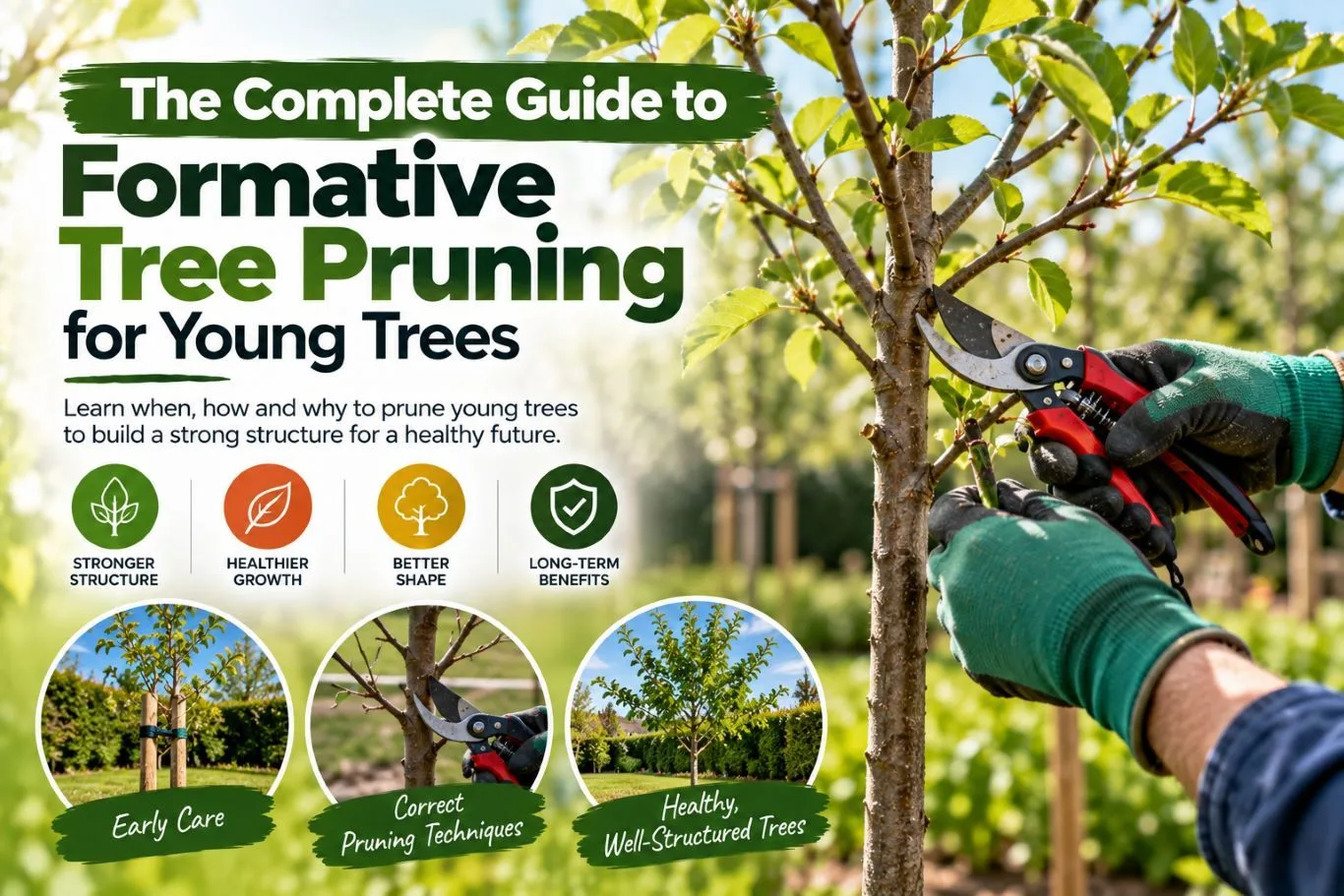
Quick Summary
- Master the art of formative tree pruning to build a balanced, resilient structural framework during the early years of a young tree's life.
- Learn how targeted pruning eliminates dangerous co-dominant stems, narrow V-shaped crotches, and crossing limbs before they become costly structural liabilities.
- Understand the vital difference between small, clean cuts made on juvenile wood (which heal rapidly) and the extensive wounding caused by corrective pruning on mature trees.
- Discover the optimal timing and practical schedule for multi-year canopy training, starting from post-planting establishment to mature structural development.
- Find out when straightforward secateur work suffices and when certified arborists are needed to ensure compliance with British Standard BS 3998.
Introduction
Planting a young sapling is an investment in your garden’s future landscape, offering decades of shade, environmental biodiversity, and visual appeal. However, leaving a young tree to grow entirely on its own often leads to structural imbalances, weak branch attachments, competing leader stems, and crowded canopies. In urban gardens and suburban streets, trees face artificial light conditions, wind tunnels, and tight boundaries, making early intervention essential. Practising methodical formative tree pruning establishes a balanced, sturdy branch architecture from day one. Rather than waiting until an overgrown bough threatens a roof or snaps in high winds, proactive pruning directs growth when branches are small and cuts heal rapidly. At Chigwell Tree Services, our arborists deliver reliable, affordable, and expert tree services for residential & commercial properties across Essex, East London & North London / UK and surrounding areas, ensuring young trees grow into safe, enduring, and beautiful specimens.
Want to give your young saplings the strongest start with expert structural pruning? Chat with Chigwell Tree Services on WhatsApp for professional advice across Essex, East London, and North London :
What Is Formative Tree Pruning?
In arboriculture, formative pruning (often referred to as formative pruning of young trees or structural training) is the selective, phased removal and reduction of shoots, branches, and stems on juvenile and semi-mature trees.
Biological Objectives of Formative Pruning:
- Establish a Central Leader: Encourages a single, dominant upright trunk for vertical strength.
- Eliminate Co-dominant Stems: Prevents competing trunks with weak, bark-included unions.
- Select Scaffold Branches: Spaces primary structural limbs radially and vertically along the trunk.
- Prevent Narrow Crotches: Favours wide, U-shaped branch unions that resist storm tear-outs.
- Manage Canopy Density: Removes crossing, rubbing, and inward-growing branches for sunlight and airflow.
While mature tree pruning is often restorative or corrective, young tree pruning is entirely developmental. Making small, pencil-sized cuts on juvenile wood creates minimal wounding, allowing the tree's natural compartmentalisation mechanisms to seal the cut surface swiftly without introducing wood rot.
The Core Advantages of Early Structural Training
Investing in early formative tree care delivers long-term arboricultural and economic rewards:
| Core Advantage | Long-Term Garden & Structural Benefit |
| Stronger Branch Architecture | Eliminates weak structural points that could split under the weight of mature foliage, snow, or high winds. |
| Healthier Canopy Growth | Channels water and soil nutrients into well-spaced, vigorous limbs rather than competing, crowded suckers. |
| Better Natural Form | Develops an aesthetically pleasing, symmetrical silhouette suited to its garden or roadside setting. |
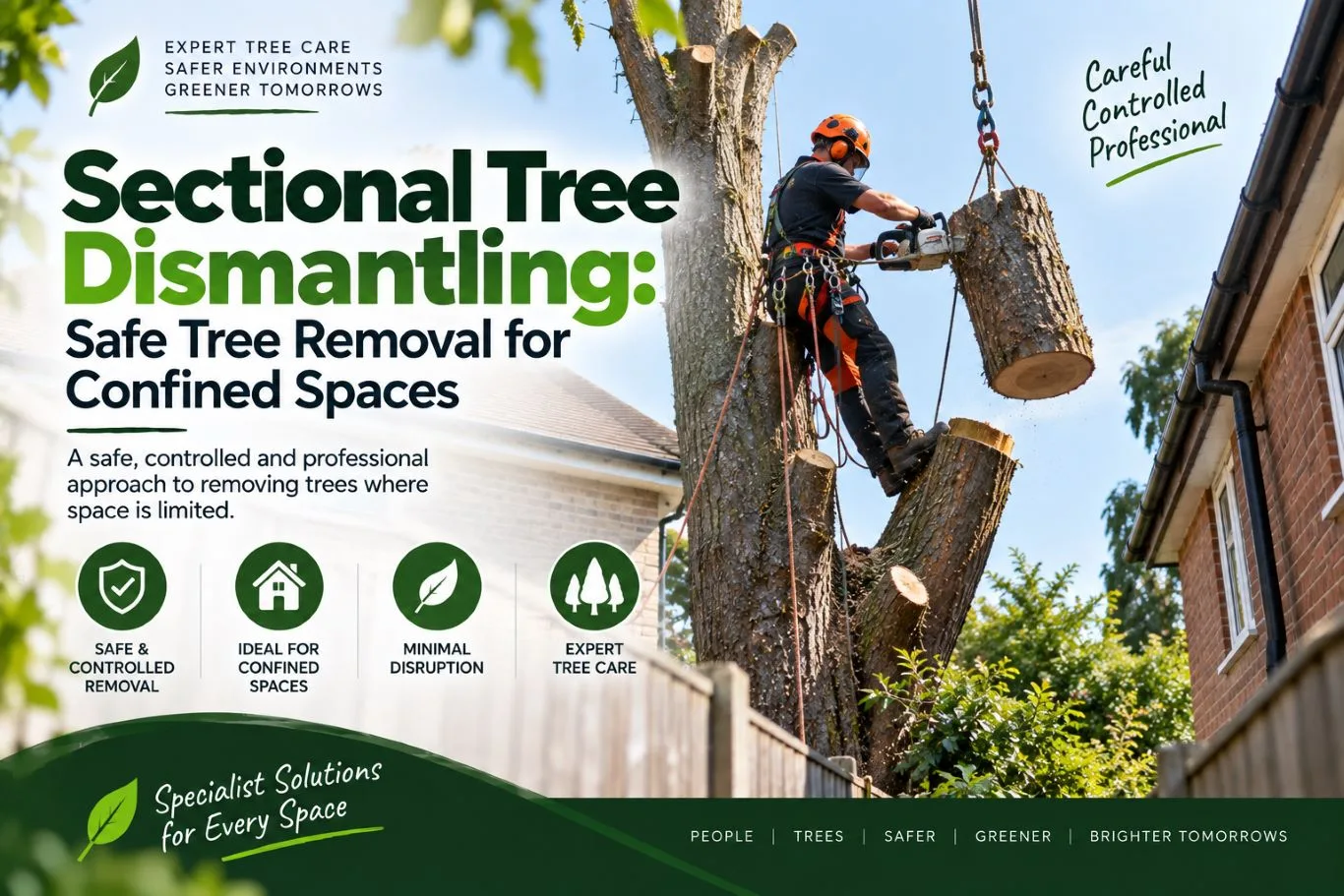
| Substantial Cost Savings | Eliminates the need for expensive, high-altitude sectional dismantling or heavy crown thinning later in the tree's life. |
| Minimal Wounding Stress | Removing thin, juvenile twigs causes negligible vascular disruption compared to amputating thick, mature limbs. |
Step-by-Step Tree Formative Pruning Techniques
Implementing effective tree formative pruning techniques requires an understanding of natural branch architecture. The process focuses on five key stages:
1. Removing the “Three Ds”
Start every pruning session by sanitising the tree. Using clean, bypass secateurs, remove any dead, diseased, or broken shoots flush with the branch collar.
2. Identifying and Subordinating Co-dominant Stems
When two competing leaders develop similar girths and grow upward together, they create a narrow “V” shaped union. As the stems expand, bark gets pinched between them (included bark), forming an internal fault line prone to catastrophic splitting in gales. Select the straightest, strongest stem to be the permanent central leader. The competing shoot should be pruned back to a lateral branch or removed entirely.
3. Spacing the Scaffold Boughs
Primary scaffold limbs will bear the weight of the mature canopy.
- Choose scaffold branches with wide, sturdy attachment angles (ideally 45 to 60 degrees, forming a strong “U” union).
- Ensure vertical spacing of roughly 20cm to 40cm between branches along the stem.
- Select branches that radiate in different compass directions around the trunk to ensure a balanced, 360-degree crown.
4. Clearing Crossing and Rubbing Branches
Branches that grow across the centre of the crown or rub against one another abrade protective bark, creating open wounds that invite fungal pathogens. Prune away the weaker of the two crossing shoots.
5. Progressive Crown Lifting (Lower Trunk Clearance)
For street trees or trees positioned over garden lawns, driveways, or footpaths, the lower trunk must be gradually cleared of temporary branches. Retain these lower shoots for the first 2 to 3 years to build trunk caliper (thickness) and taper, then gradually remove them over subsequent seasons to establish your target clearance height.
When to Begin Pruning Young Trees
Understanding the right timing for structural tree pruning protects the tree from physiological shock:
Multi-Year Formative Timeline:
– Year 1 (Planting Year): Minimal pruning. Focus on root establishment. Only cut damaged, dead, or broken twigs.
– Year 2 to 3: First formative assessment. Select the central leader, suppress competing tips, and remove rubbing shoots.
– Year 4 to 6: Scaffold development. Establish primary structural tiers and begin gradual lower canopy lifting.
– Year 7+: Maintenance. Periodic inspections to maintain balance, clearance, and central dominance.
Seasonal Considerations
For the majority of UK deciduous broadleaves (such as Oak, Lime, Field Maple, and Birch), the dormant winter window—between November and late February—is the ideal time for structural training. The branch frame is fully visible without leaves, and the dormant tree avoids sap bleeding or pest attraction.
Exception Note: Stone fruit species (like Cherries and Plums) must be pruned in mid-summer to prevent Silver Leaf disease, while trees prone to heavy spring sap flow (such as Birch and Walnut) should be pruned in late summer after leaves fully mature.
Proper Cutting Anatomy: Protecting the Branch Collar
Even on young saplings, improper cutting technique causes lasting damage.
Never make flush cuts against the main trunk, and never leave long, unsightly stubs. Locate the branch bark ridge (the raised strip of bark where the branch joins the trunk) and the branch collar (the slight swelling at the branch base).
Make your cut just outside the outer edge of the branch collar, angling slightly away from the stem. This preserves the specialized zone of parent wood cells that rapidly grow over the wound to seal it against moisture and fungal decay.
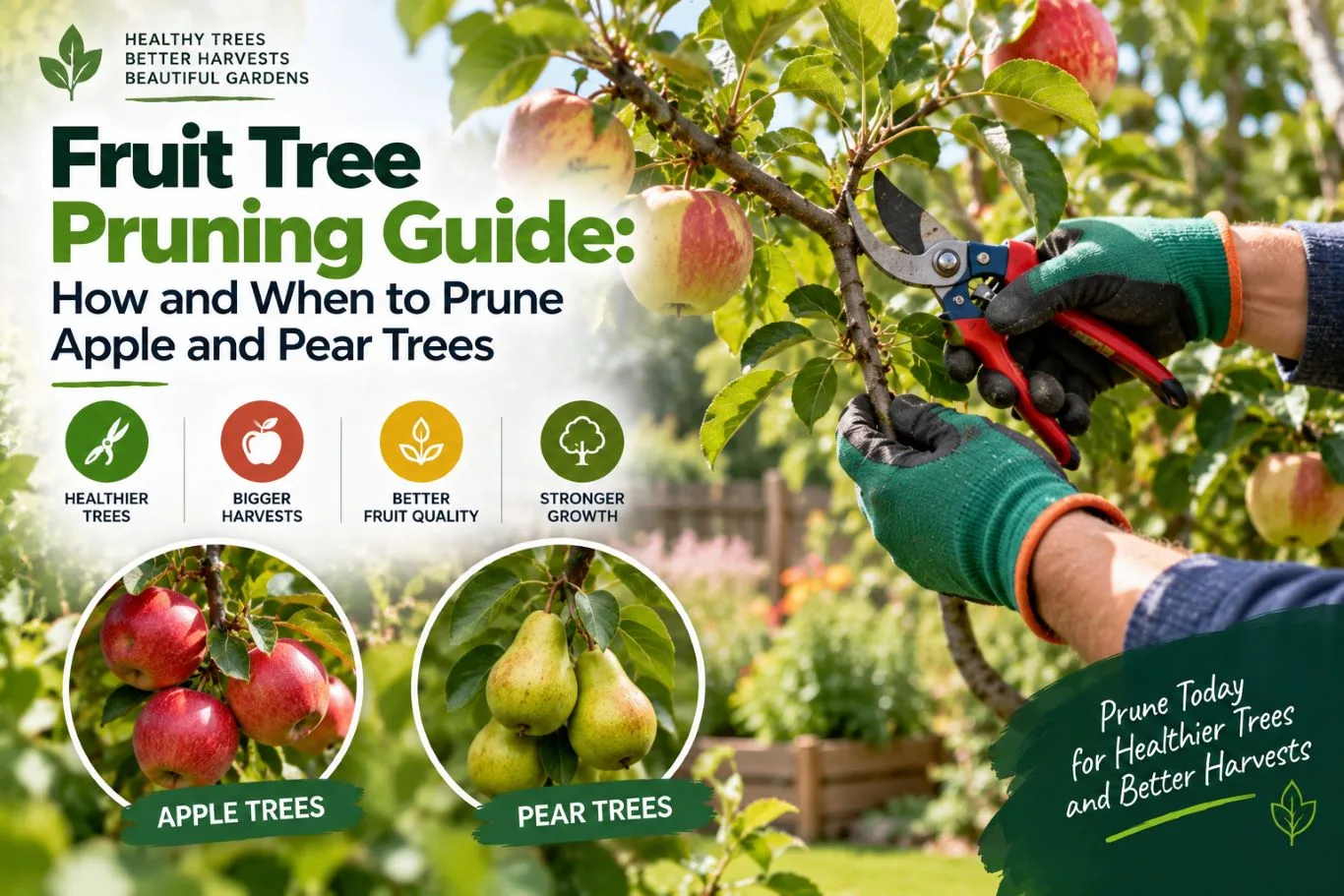
When handling larger young stock, residential properties, housing developments, or local infrastructure projects, arranging professional tree pruning services across Essex, North London & East London ensures formative training follows strict statutory guidelines and local planning requirements.
DIY vs Professional Tree Training and Pruning
While homeowners can handle low-level secateur pruning on nursery stock during the first two seasons, bringing in a certified arborist provides distinct advantages as trees mature:
- Species-Specific Growth Habit: An experienced arborist knows how diverse species naturally develop—from excurrent forms (strong single leaders like Sweet Gum or Birch) to decurrent forms (broad, multi-leader canopies like Oak or London Plane)—and prunes in harmony with their natural habits.
- BS 3998:2010 Compliance: Professional pruning complies strictly with British Standard 3998 (Tree Work Recommendations), preventing aggressive over-pruning that could permanently stunt a sapling.
- High-Level Clearance: As trees reach 4 to 6 metres, working safely with pole pruners requires experienced hand-eye coordination to avoid tearing bark strips down juvenile stems.
Investing in consistent tree training and pruning during the first decade of growth is the most cost-effective arboricultural decision you can make, establishing healthy trees that require far less intervention later in life.
FAQs
1. At what age should formative pruning start on a newly planted tree?
Apart from cutting away dead or snapped twigs from transport, leave the tree untouched for its first growing season so it can direct all energy into developing roots. Formative pruning should begin in the second or third winter once the root plate has settled into the surrounding soil.
2. What happens if you never prune a young tree?
Without formative intervention, trees frequently develop co-dominant stems, tight V-crotches with included bark, and imbalanced crowns. As the tree matures, these weak unions often split under high winds, requiring heavy sectional dismantling or whole-tree removal.
3. How quickly can your local team carry out a young tree assessment?
We maintain a responsive local team. For young tree stock surveys, estate planting reviews, and domestic garden consultations across our operational zones, we can typically arrange an on-site visit and provide a detailed quotation within 24 to 48 hours.
4. What regions do your formative tree surgeons cover?
Our daily operational coverage encompasses all of Essex—including Chigwell, Loughton, Woodford, Epping, Brentwood, Romford, and Chelmsford—as well as adjacent North London and East London boroughs.
5. Can formative pruning prevent tree roots from damaging house foundations?
Formative pruning shapes the canopy rather than restricting the subterranean root spread. However, directing proper vertical structure prevents the tree from leaning toward buildings, and routine crown training helps maintain balanced canopy proportions relative to surrounding property boundaries.
Conclusion / Final Thoughts
Effective formative tree pruning is an essential practice for establishing healthy, well-structured trees. By guiding young branches early, eliminating co-dominant leaders, and encouraging a strong, balanced scaffold, you protect your property against future branch drop, prevent expensive remedial tree surgery, and allow your landscape to thrive.
At Chigwell Tree Services, we bring certified arboricultural expertise, precision craftsmanship, and a passion for healthy trees to domestic gardens, commercial grounds, and new property developments. Whether you have planted an avenue of young lime trees or want to shape an ornamental maple on your lawn, our dedicated team is here to help.
Give your trees the best start in life—reach out to our friendly local specialists today to arrange your professional tree survey :