Quick Summary
- Fallen tree removal is a high-priority service required to clear obstructions and eliminate safety hazards after a tree failure.
- Discover the primary causes of tree falls, ranging from saturated soil and high winds to internal fungal decay.
- Learn the essential safety protocols to follow if a tree collapses on your property or across a public access point.
- Understand the technical complexities of removing timber under tension and why professional rigging is vital.
- Find out how expert intervention ensures a clean, safe site while assisting with the administrative side of insurance claims.
Introduction
The sound of a large tree falling is something no homeowner ever wants to hear. Whether it’s the result of a sudden Atlantic gale or a slow structural failure due to disease, a collapsed tree is an immediate crisis that demands a swift, professional response. When a multi-tonne organism shifts from a vertical anchor to a horizontal hazard, it often blocks driveways, damages rooflines, or downs power cables. Managing the aftermath requires more than just a chainsaw; it requires a deep understanding of wood tension, site logistics, and public safety. At Chigwell Tree Services, we pride ourselves on being a grounded, reliable partner for residents facing such crises, providing expert fallen tree removal in Essex to ensure that your property is restored to safety without further damage.
Blocked driveway or damaged roof? Message our emergency team now for fast and safe fallen tree removal :
Why Do Trees Fall? Understanding the Root Causes
To effectively manage fallen tree removal, it helps to understand why the failure occurred in the first place. Trees don't usually fall without a reason, and identifying the cause can help you protect the other trees remaining on your land.
Wind-Throw and Saturated Ground
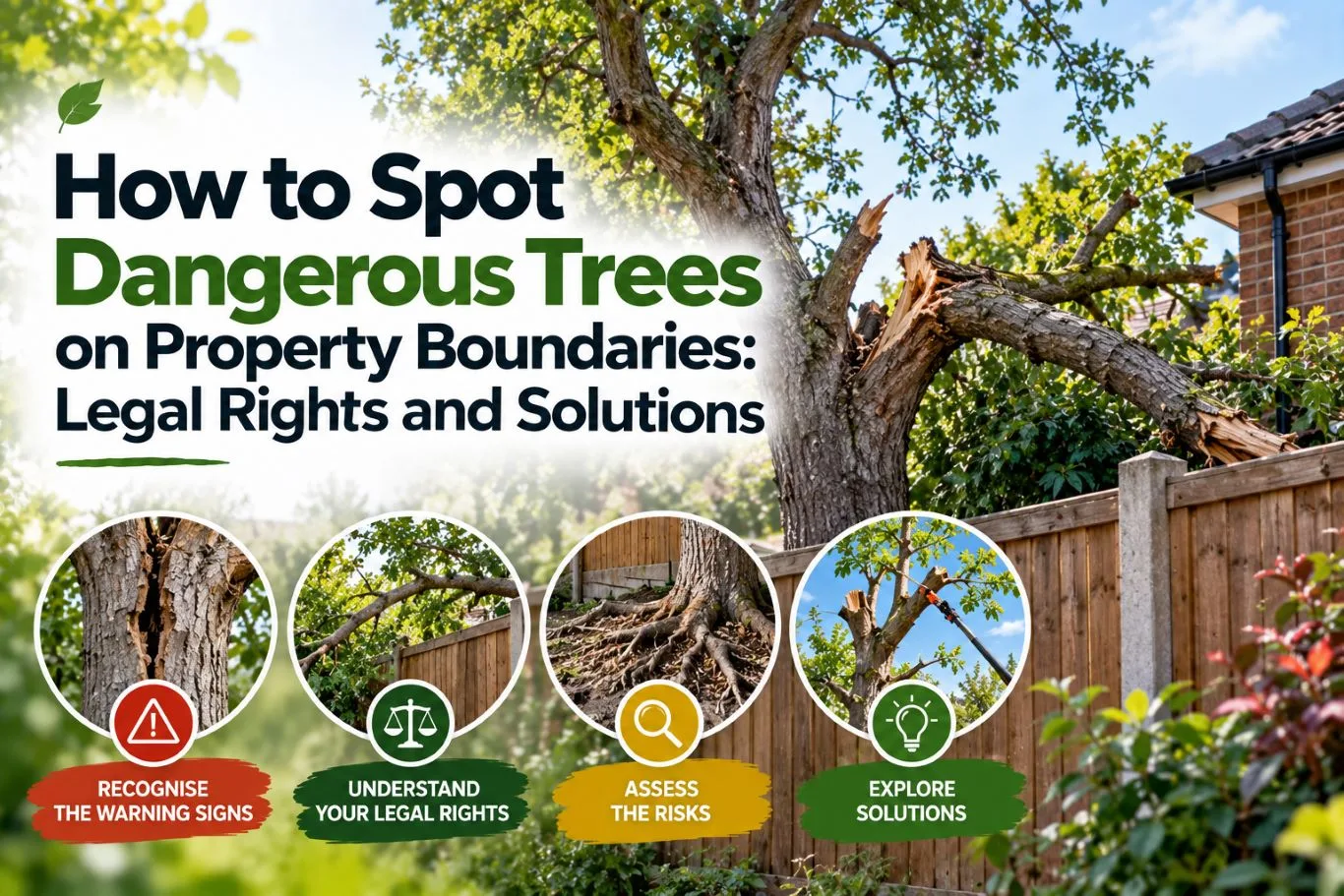
In the UK, the combination of high winds and prolonged heavy rainfall is the most common culprit. When the ground becomes saturated, the soil loses its cohesive strength. As the wind puts pressure on the canopy—acting like a giant sail—the roots can no longer hold, leading to “wind-throw.” This often results in the entire root plate lifting out of the ground, leaving a large crater and a very unstable timber mass.
Stem Failure and Internal Decay
Not all falls involve the roots. Often, a tree will snap at the trunk. This is usually due to internal decay caused by fungi like Ganoderma or Polyporus. These pathogens eat away at the heartwood, which provides the tree's structural strength, while leaving the sapwood (the outer layer) intact. To the untrained eye, the tree looks healthy and green, but internally, it is hollow and brittle.
The Immediate Safety Protocol
If you are faced with a fallen tree, your first priority is safety. Timber that has fallen is rarely “settled.” It is often propped up by branches that are under immense pressure, and a single shift in the wind or a curious bystander stepping on a limb can cause the whole structure to move.
1. Maintain a Wide Perimeter
Stay well away from the tree. If the tree has fallen against a building, there may be structural damage to the masonry or roof that isn't immediately visible. Keep children and pets indoors until a professional assessment has been made.
2. Identify Utility Hazards
If the tree has brought down any cables, treat them as “live” and extremely dangerous. Do not approach the tree or any metal fences nearby that might be in contact with the wires. Your first call should be to the local network operator, followed by a call for fallen tree removal services once the area is electrically isolated.
3. Avoid DIY “Tidying”
It is tempting to start snip-pruning smaller branches to clear a path. However, in a fallen tree, even small branches can be “spring-poles”—limbs caught under the weight of the main trunk. Cutting these can release energy suddenly, causing the branch to whip back with enough force to cause serious injury.
The Technical Process of Fallen Tree Removal
Removing a collapsed tree is an intricate engineering task. Professional arborists use a methodical approach to “de-tension” the wood before it is processed and removed.
Managing Compression and Tension
In a fallen tree, some parts of the wood are being squashed (compression) while others are being stretched (tension). If you cut into the tension side first, the wood can split or “pinch” the saw. If you cut the compression side incorrectly, the tree can shift or roll. We use specific “V-cuts” and “bore cuts” to release these forces gradually, ensuring the timber remains stable throughout the dismantling process.
Strategic Rigging and Winching
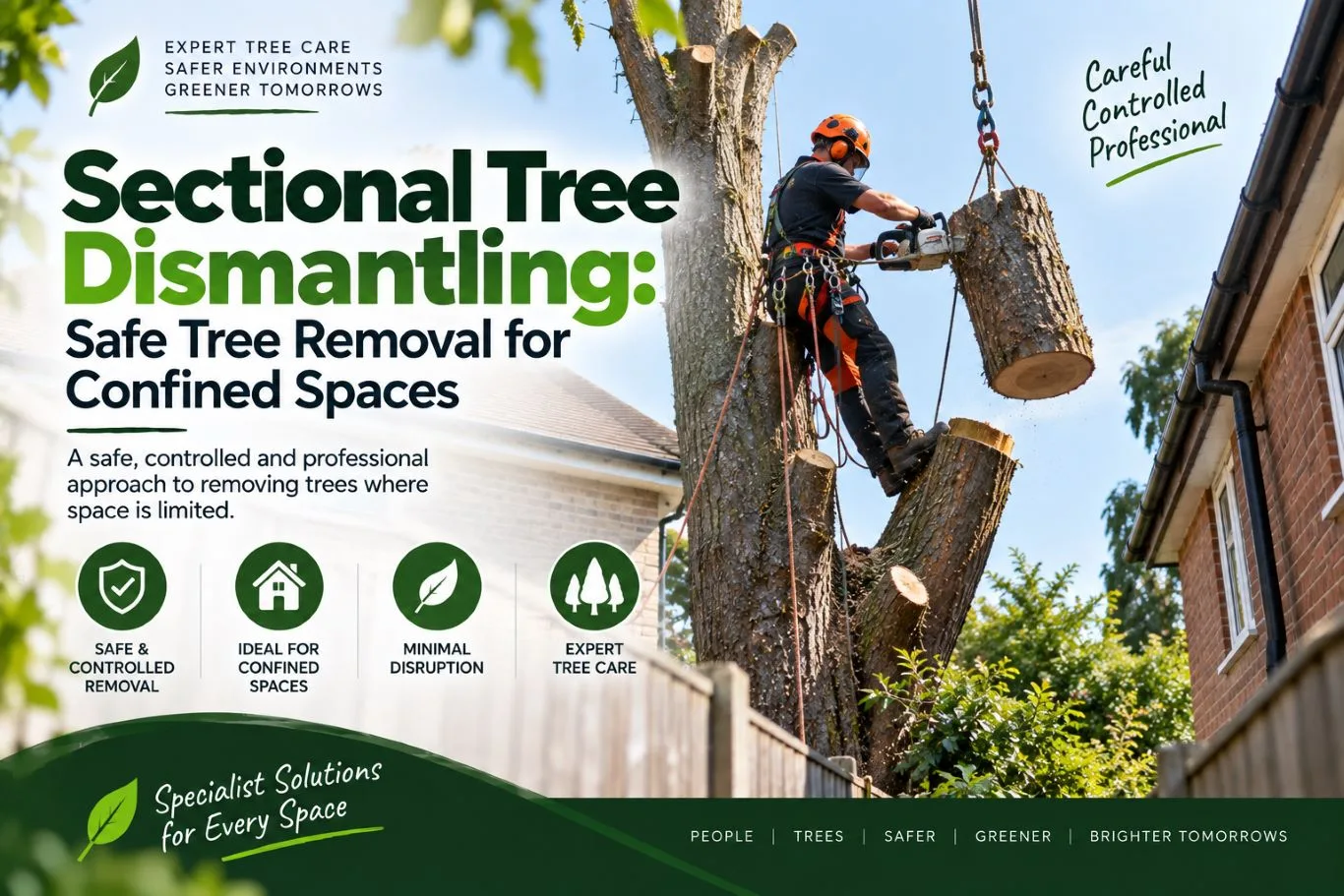
If a tree has fallen in a restricted area, such as between two houses or across a delicate garden feature, we use winches and rigging lines to secure the trunk. This allows us to lift or pull the timber away from the structure before we begin cutting. This level of precision is what defines professional fallen tree removal in the UK, ensuring that the “fix” doesn't cause more damage than the initial fall.
Dealing with Insurance and Documentation
A fallen tree is often a significant financial event. Most homeowner insurance policies cover the cost of removal if the tree has struck a “covered structure” like your home, garage, or a permanent fence.
Evidence Gathering
At Chigwell Tree Services, we assist our clients by providing clear documentation of the damage. We take “before” photos and provide a detailed arboricultural report if required by your insurer. This helps clarify the cause of the fall—such as storm damage—which is a key factor in successful claims.
Site Clearance and Disposal
Once the tree is safely on the ground and sectioned, the task of clearing the “brash” (small branches and leaves) begins. We use industrial-grade woodchippers to process the debris into mulch, which can either be left on-site for your garden beds or removed entirely. The larger timber is often cut into manageable logs. Our goal is to leave your site clean, tidy, and ready for whatever repairs might be necessary.
Assessing the “Survivors”: Post-Fall Inspections
When one tree falls, it often exposes the remaining trees to new wind loads they weren't used to. The fallen tree might have been providing a windbreak for its neighbours.
Identifying Secondary Risks
After a fall, it is wise to have a professional inspect the standing trees nearby. We look for “stress ripples” in the bark or signs that the roots of neighbouring trees were disturbed when the first tree went over. This proactive approach can prevent a “domino effect” during the next storm.
Soil Remediation
If a root plate has lifted, it leaves a significant void in your landscape. We can advise on the best way to backfill this area and whether the soil structure is suitable for a replacement tree. Proper soil management is essential to ensure that any future planting is more stable than the predecessor.
Why Choose Local Essex Experts?
During a major storm event, “emergency” companies often travel from far afield to find work. However, there are distinct advantages to choosing a local, established firm for your arboricultural needs.
Rapid Response Times
Because we are based in the region, we can navigate the local backroads and reach your property faster than a national firm. In an emergency, every hour counts, especially if a tree is blocking access for emergency vehicles or preventing you from securing your home.
Knowledge of Local Legislation
If the fallen tree was protected by a Tree Preservation Order (TPO), there are specific legal steps that must be taken even in an emergency. We understand the local council requirements in Essex and can help you navigate the “five-day notice” rule, ensuring you stay on the right side of the law while dealing with the crisis.
FAQs
Q1: Does homeowners insurance always cover fallen tree removal?
Generally, insurance covers the removal if the tree hits a structure. If a tree simply falls in the middle of a field or lawn without damaging anything, it may not be covered. You should always check your specific policy wording.
Q2: Can a fallen tree be saved and “re-planted”?
In the vast majority of cases, no. If a mature tree has suffered a total root-plate failure or a trunk snap, the vascular system is too damaged to recover. Smaller, younger trees can sometimes be winched back up and staked, but this is rare for large specimens.
Q3: How long does it take to clear a large fallen oak or ash tree?
A standard residential removal usually takes between half a day to a full day, depending on the size of the tree and the complexity of the access. If we need to use a crane, it may take slightly longer to coordinate.
Q4: What areas do you cover for emergency removal?
We provide comprehensive coverage across the Essex region and the North London borders. We are familiar with the local area, which allows us to provide a fast and efficient service to all our neighbors.
Q5: Is it safe to cut a fallen tree with a chainsaw myself?
We strongly advise against it. Fallen trees are under unpredictable tension. Chainsaw “kickback” is a major risk when cutting timber that is under pressure, and without professional training, it is very easy to get trapped or injured by shifting logs.
Conclusion / Final Thoughts
A fallen tree is a stark reminder of the power of nature, but it doesn't have to be a permanent disaster. By staying calm, prioritizing safety, and calling in professional help, you can manage the situation effectively and safely. The key to a successful recovery is a methodical approach that respects the physics of the timber and the safety of the environment.
At Chigwell Tree Services, we are committed to providing the technical skill and the reassuring presence you need during an arboricultural emergency. Whether you are dealing with a blocked driveway or a tree that has compromised your roofline, our team is equipped to handle the job with total professionalism. If you are currently searching for fallen tree removal near me or need reliable emergency tree services near me, do not hesitate to get in touch. We provide the expert fallen tree removal in Essex that help you clear the way, secure your property, and move forward with confidence.
Looking to get expert fallen tree removal services in Essex?