Quick Summary
- Exploring crown thinning vs crown reduction helps property owners choose the correct arboricultural technique for managing tree density, size, and health.
- Crown Thinning selectively removes minor secondary branches within the inner canopy to allow more natural light and airflow without altering the tree's overall height or shape.
- Crown Reduction systematically scales down the outer boundaries of the canopy to reduce overall height, spread, and mechanical wind sail load.
- Discover the biological advantages of each method, from reducing storm failure risks to preventing fungal decay in damp, crowded canopies.
- Learn how certified arborists evaluate branch unions, growth habits, and British Standard BS 3998 guidelines to deliver safe pruning results.
Introduction
A mature tree adds structure, beauty, and privacy to any garden or landscape. However, as trees grow, dense foliage can block sunlight from reaching lawns, cast heavy shade into living areas, or become structurally vulnerable to severe gales and winter storms. When deciding how to prune an overgrown tree safely, homeowners frequently compare crown thinning vs crown reduction. While both methods improve canopy management and promote long-term vitality, they serve completely different arboricultural purposes. Selecting the wrong technique can lead to excessive pruning stress, weak epicormic growth, or failure to resolve your core garden issue. At Chigwell Tree Services, our certified arborists provide honest guidance and professional care across Essex and nearby areas, delivering tailored tree management to ensure your landscape remains safe, well-balanced, and aesthetically pleasing throughout the year.
Unsure whether your overgrown canopy needs delicate crown thinning or a structured crown reduction? Chat with Chigwell Tree Services on WhatsApp for expert advice across Essex :
What Is Crown Thinning?
Crown thinning is a precise pruning operation designed to improve internal canopy structure without altering the tree's overall silhouette or dimensions.
The Crown Thinning Process
During a crown thinning procedure, a qualified tree surgeon selectively removes smaller, weak, crossing, or congested secondary branches throughout the interior of the canopy. The primary structural framework, main scaffold limbs, and overall height and spread of the tree remain completely unchanged.
Arborists typically express thinning specifications as a percentage—usually between 10% and 30% of the internal leaf volume. Thinning focuses heavily on:
- Removing dead, diseased, or dying branches (deadwooding).
- Eliminating rubbing or crossing branches that create open bark wounds.
- Removing weak epicormic growth and water shoots cluttering the inner crown.
- Creating an even, balanced distribution of foliage across the remaining branch network.
Primary Benefits of Crown Thinning
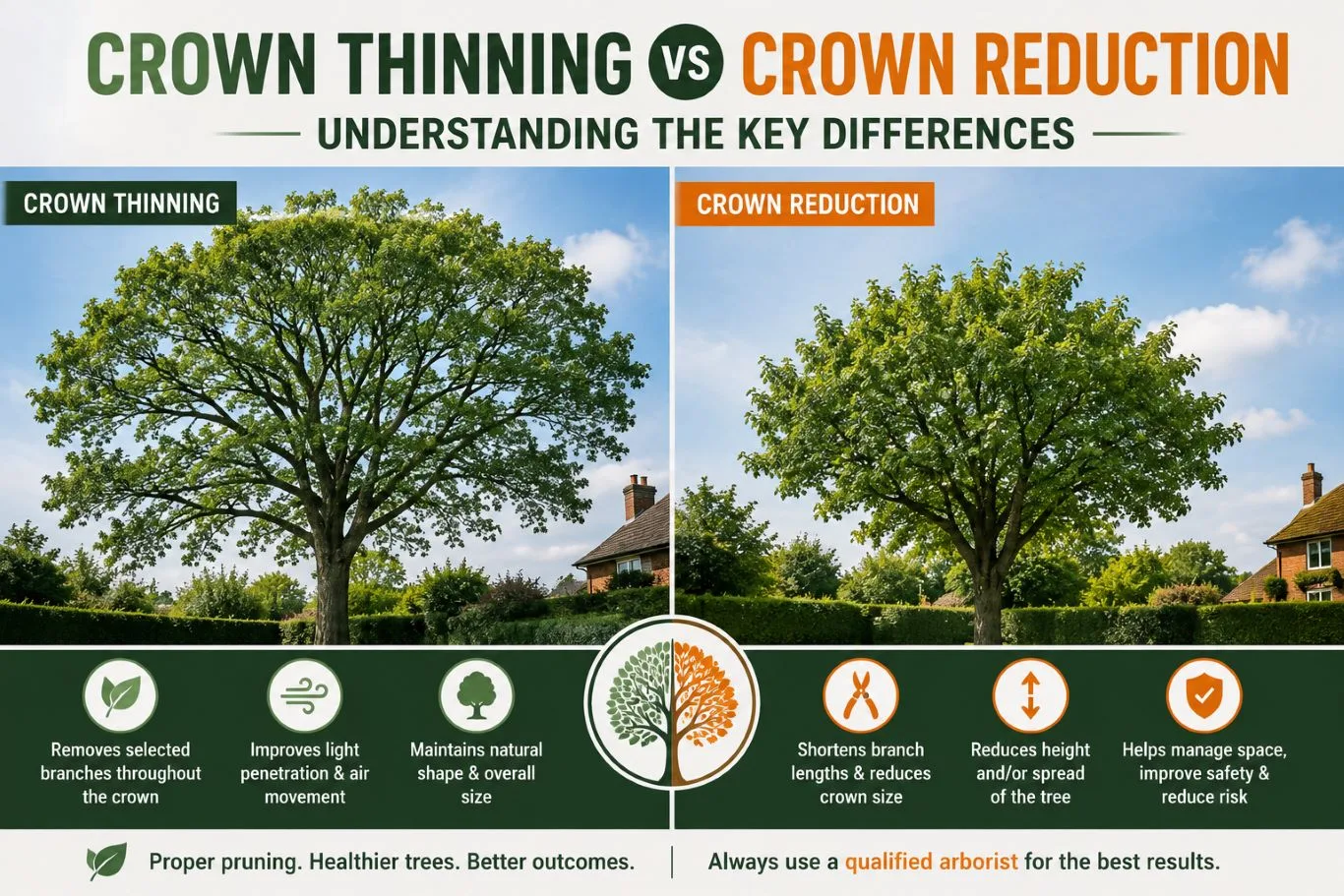
- Improves Light Penetration & Air Movement: By opening up dense foliage clusters, natural sunlight filters down to lawns, patios, and understorey plants, while airflow dries leaves to prevent fungal mildew.
- Maintains Natural Shape & Overall Size: The natural outline, architectural form, and overall height of the tree remain completely intact.
- Removes Selected Branches Throughout the Crown: Internal congestion is cleared systematically, reducing the weight of dense limb clusters without creating bare patches.
- Reduces Wind Resistance: Opening internal air channels allows strong gusts to pass through the crown freely (lowering the “wind sail” effect), reducing mechanical stress on major branch unions during gales.
If your garden is suffering from deep shade but you love the natural silhouette of your mature trees, scheduling professional tree crown thinning services in Essex is the ideal way to restore brightness to your lawn without altering your tree's stature.
What Is Crown Reduction?
Crown reduction is a specialized arboricultural technique aimed at reducing the physical size, height, and external spread of a tree's canopy.
The Crown Reduction Process
Unlike thinning, crown reduction targets the outer perimeter of the tree. The arborist shortens branch lengths back to suitable lateral growth points (lateral leaders) that are large enough to sustain the flow of sap and continue normal growth.
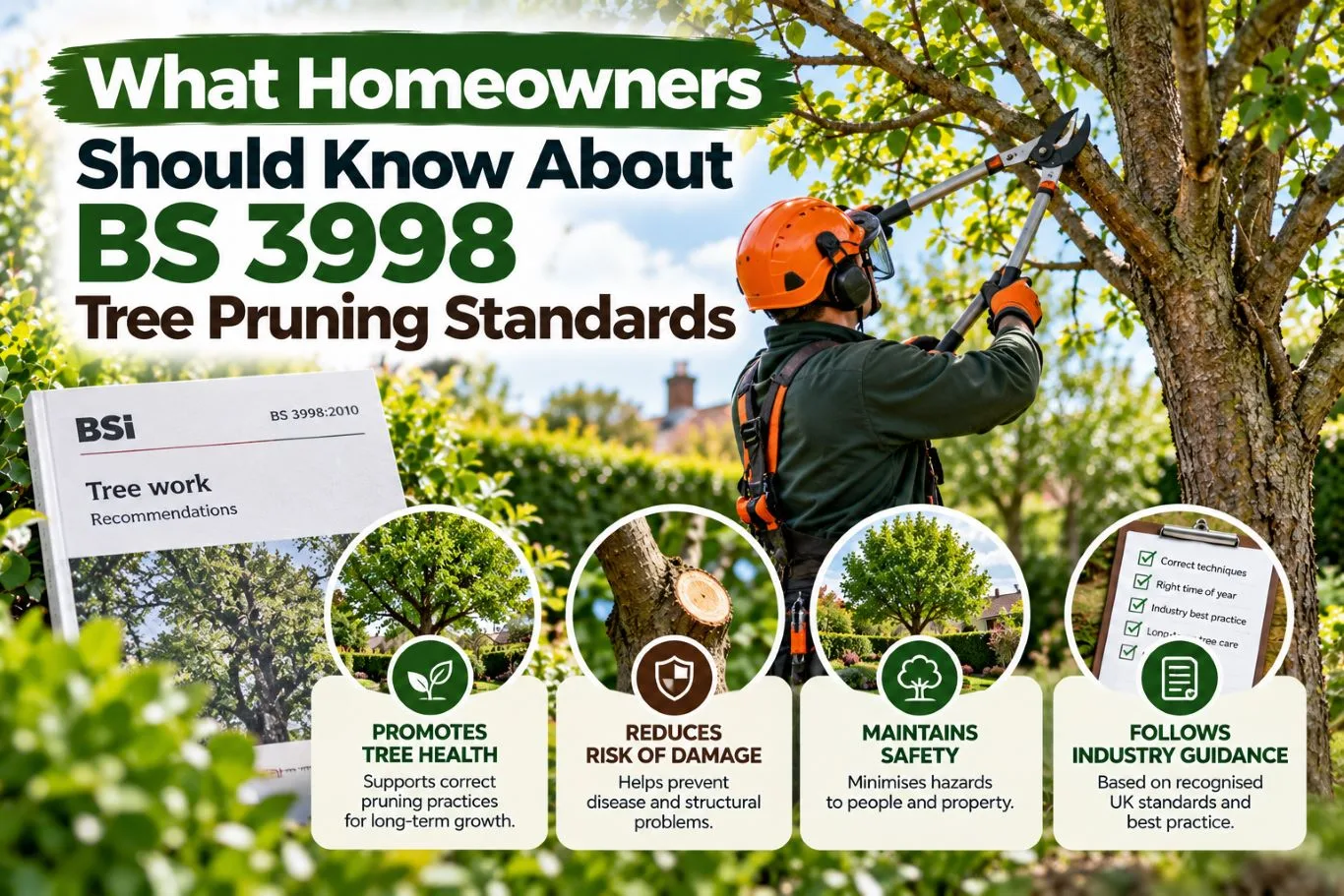
To maintain tree health and conform to British Standard BS 3998:2010, the cut must be made just outside the branch bark ridge and collar. A reduction is specified by the reduction in linear meters or an overall percentage (typically 15% to 30% of canopy spread and height).
Primary Benefits of Crown Reduction
- Shortens Branch Lengths & Reduces Crown Size: Controls broad lateral spread and brings sprawling canopies back into proportion with residential garden spaces.
- Reduces Height and/or Spread of the Tree: Prevents branches from encroaching onto house roofs, chimneys, overhead utility cables, boundary fences, or public footpaths.
- Helps Manage Space, Improve Safety & Reduce Risk: Significantly lowers the risk of full tree uprooting or heavy limb failure by reducing top-heavy weight and lever-arm force.
- Relieves Mechanical Stress: Shortening long, heavy, or over-extended limbs reduces structural strain on old or compromised trunk unions.
When an overgrown tree begins to encroach on neighbouring properties or poses a storm hazard to nearby rooflines, securing dedicated tree crown reduction services in Essex provides a safe, structurally sound solution.
Crown Thinning vs Crown Reduction: Side-by-Side Comparison
To choose the best approach for your landscape, consider this side-by-side comparison:
Pruning Method Overview:
– Crown Thinning: Maintains overall size; removes inner secondary growth; maximizes light and airflow.
– Crown Reduction: Decreases overall height and spread; cuts outer perimeter to lateral points; prevents structural failure.
| Factor | Crown Thinning | Crown Reduction |
| Primary Objective | Increase light penetration and air movement | Reduce height, spread, and mechanical lever stress |
| Overall Tree Shape | Preserved (natural silhouette remains unchanged) | Made visibly smaller, more compact, and balanced |
| Where Cuts Are Made | Interior secondary branches, crossing limbs, shoots | Outer branch tips cut back to active lateral leaders |
| Impact on Height & Spread | Zero change to outer dimensions | Noticeable decrease in overall height and lateral spread |
| Best Used For | Shady lawns, damp canopies, wind sail reduction | Overgrown canopies, boundary conflicts, storm hazards |
Which Pruning Method Does Your Garden Need?
Determining whether to choose thinning or reduction depends on the specific issues you face on your property:
Choose Crown Thinning If:
- Your tree blocks sunlight from your lawn, patio, or living room windows, but its physical size does not interfere with nearby buildings or boundaries.
- The canopy is dense, dark, and prone to moss or fungal growth due to trapped moisture and poor air circulation.
- You want to make a healthy tree more resilient against strong storm gusts without losing its natural height, spread, or visual character.
Choose Crown Reduction If:
- The tree has grown too large for its space, overhanging roof tiles, gutters, chimney stacks, or telephone lines.
- Long, heavy limbs are beginning to droop under their own weight, showing signs of cracks or structural strain.
- The tree is planted close to a property boundary, encroaching on a neighbour's garden, or blocking public road visibility.
- You need to reduce mechanical strain on a tree with a compromised root system or structural defect.
Why Professional Execution and BS 3998 Standards Matter
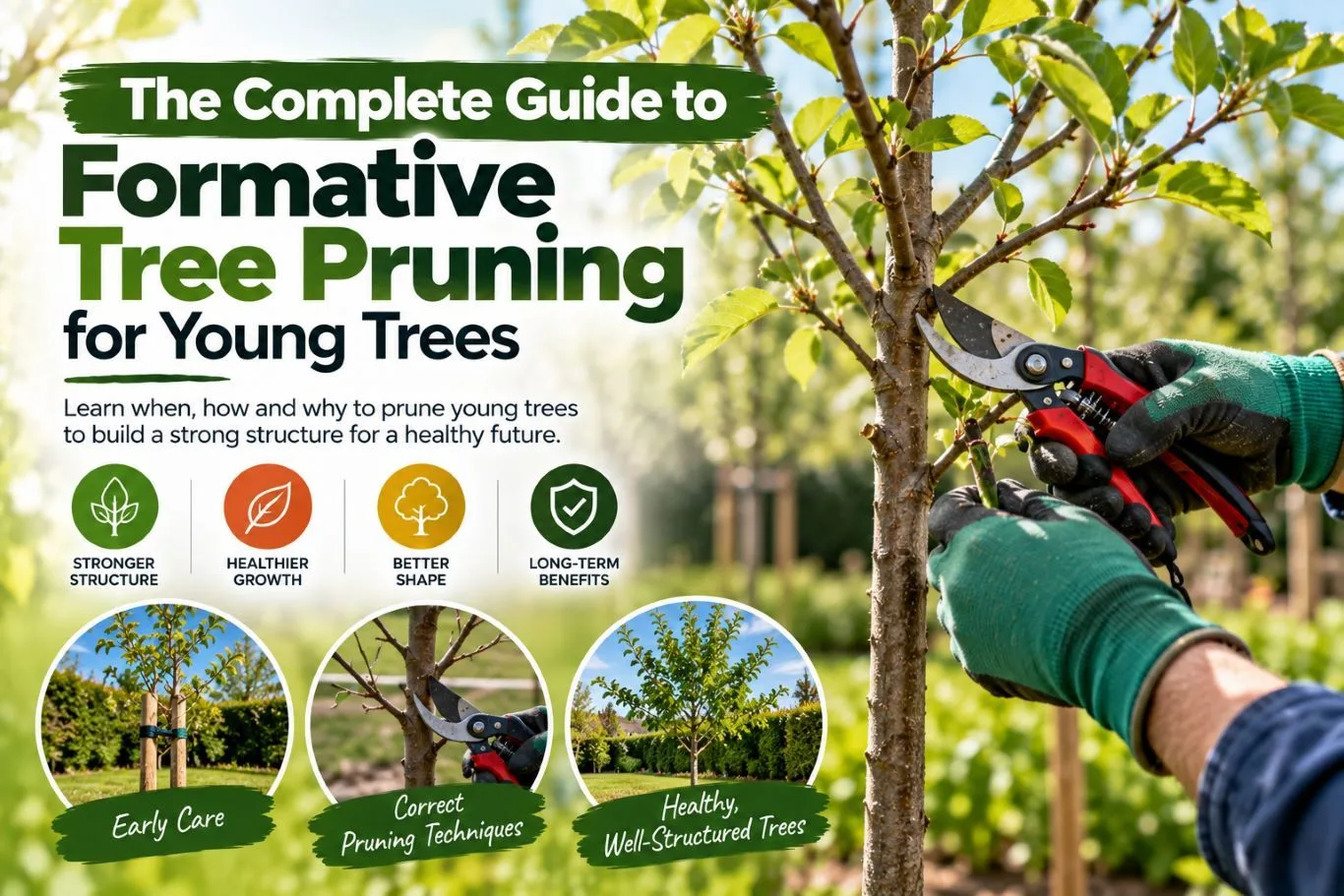
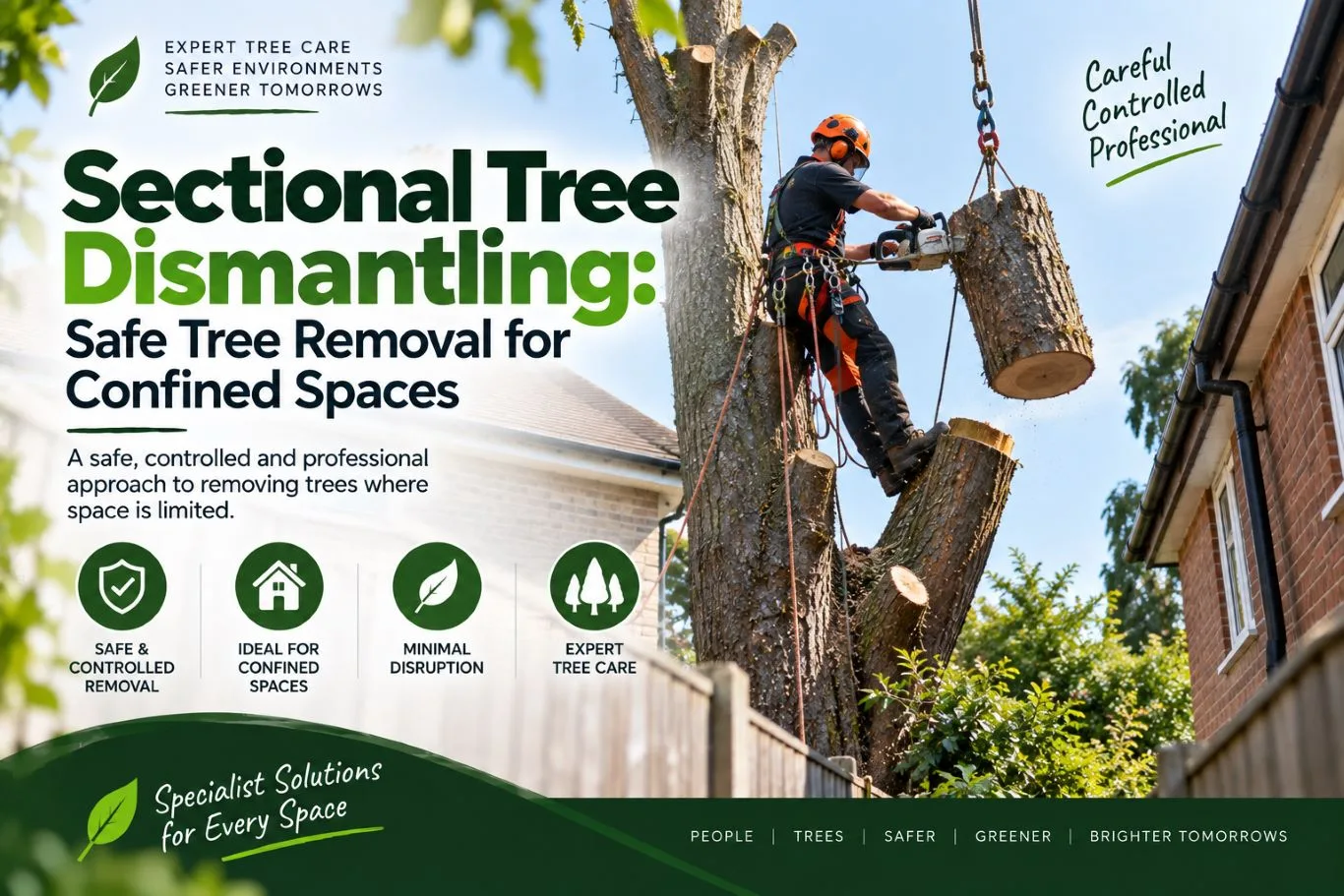
Both crown thinning and crown reduction require advanced climbing techniques, specialized rigging equipment, and an intimate understanding of tree physiology.
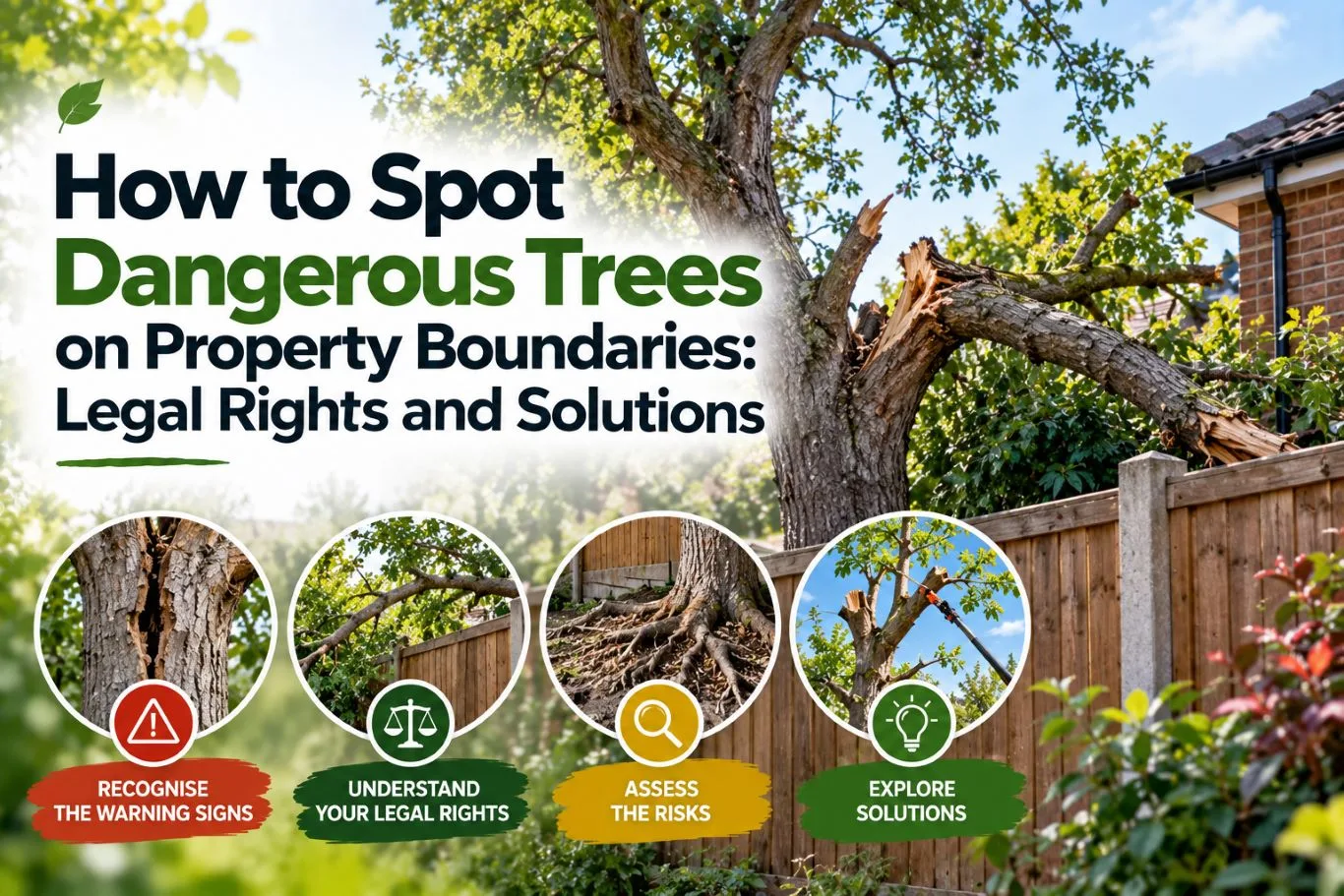
Improper thinning—such as “lion-tailing” (stripping all interior foliage and leaving leaves only at the very tips of branches)—weakens limbs, increases vibration stress, and leads to branch snapping. Similarly, poor crown reduction that cuts branches indiscriminately without respecting lateral growth points is essentially “tree topping,” which triggers massive internal wood rot and hazardous shoot regrowth.
Hiring certified professionals ensures that all work complies with British Standard BS 3998:2010 (Recommendations for Tree Work). Qualified tree surgeons understand the maximum threshold of live foliage that can be safely removed in a single growing season without putting the tree into vascular shock.
FAQs
1. Can crown thinning and crown reduction be combined in one visit?
Yes. In many cases, an arborist will combine a modest crown reduction to control overall perimeter spread with light thinning and deadwood removal to open up the interior canopy. The key is ensuring the total volume of foliage removed does not exceed safe biological limits (typically no more than 20% to 30%).
2. What is the best time of year for crown thinning and reduction?
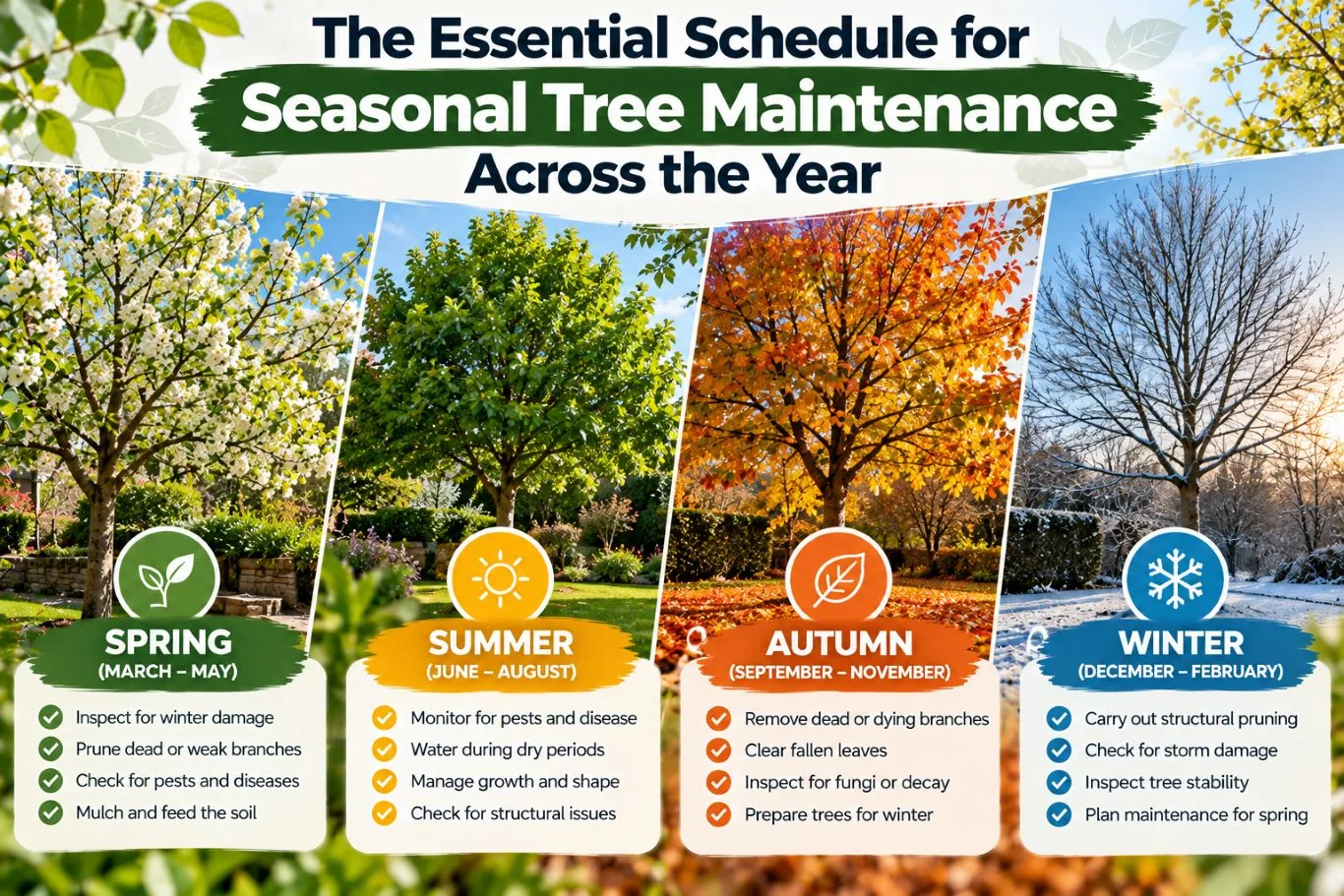
For most broadleaf deciduous species in the UK, pruning during the dormant winter months (November to March) is ideal because sap loss is minimal and the branch framework is fully visible without leaves. However, species prone to specific diseases—such as Silver Birch (bleeding sap) or Plum/Cherry trees (Silver Leaf disease)—are best pruned in mid-summer.
3. How quickly can your local team assess my garden and provide a quote?
We maintain an efficient, local dispatch network. For domestic and commercial tree assessments, our specialists can typically schedule an on-site consultation and provide a clear, itemized quote within 24 to 48 hours of your inquiry.
4. What specific geographical areas do your tree surgeons cover?
Our daily operational coverage encompasses the entire county of Essex, including Chigwell, Loughton, Epping, Woodford, Brentwood, Buckhurst Hill, as well as adjacent East and North London areas.
5. Are your tree pruning operations fully insured and qualified?
Yes, completely. Our entire field crew holds fully verified NPTC and LANTRA qualifications for aerial tree surgery, rigging, and chainsaw operations. We carry comprehensive public liability insurance, ensuring all work is completed safely and responsibly.
Conclusion / Final Thoughts
Understanding crown thinning vs crown reduction is the key to maintaining healthy, safe, and attractive trees on your property. While crown thinning is the ideal solution for brightening dark gardens and improving airflow without altering the tree's natural silhouette, crown reduction is essential when you need to safely restrict height, manage boundary conflicts, and relieve weight stress on heavy limbs. Choosing the appropriate pruning regime preserves your tree's natural defense mechanisms and protects your home from unnecessary storm hazards.
At Chigwell Tree Services, we take pride in delivering honest, professional, and customer-focused arboricultural care for domestic gardens and commercial grounds alike. We pair advanced equipment with certified arboricultural techniques to deliver clean, precise, and reliable results. Whether you need to bring more light into your garden or reduce a sprawling canopy safely, our local specialists are always ready to assist. Contact our friendly team today to arrange your on-site assessment and keep your landscape thriving through every season.