Quick Summary
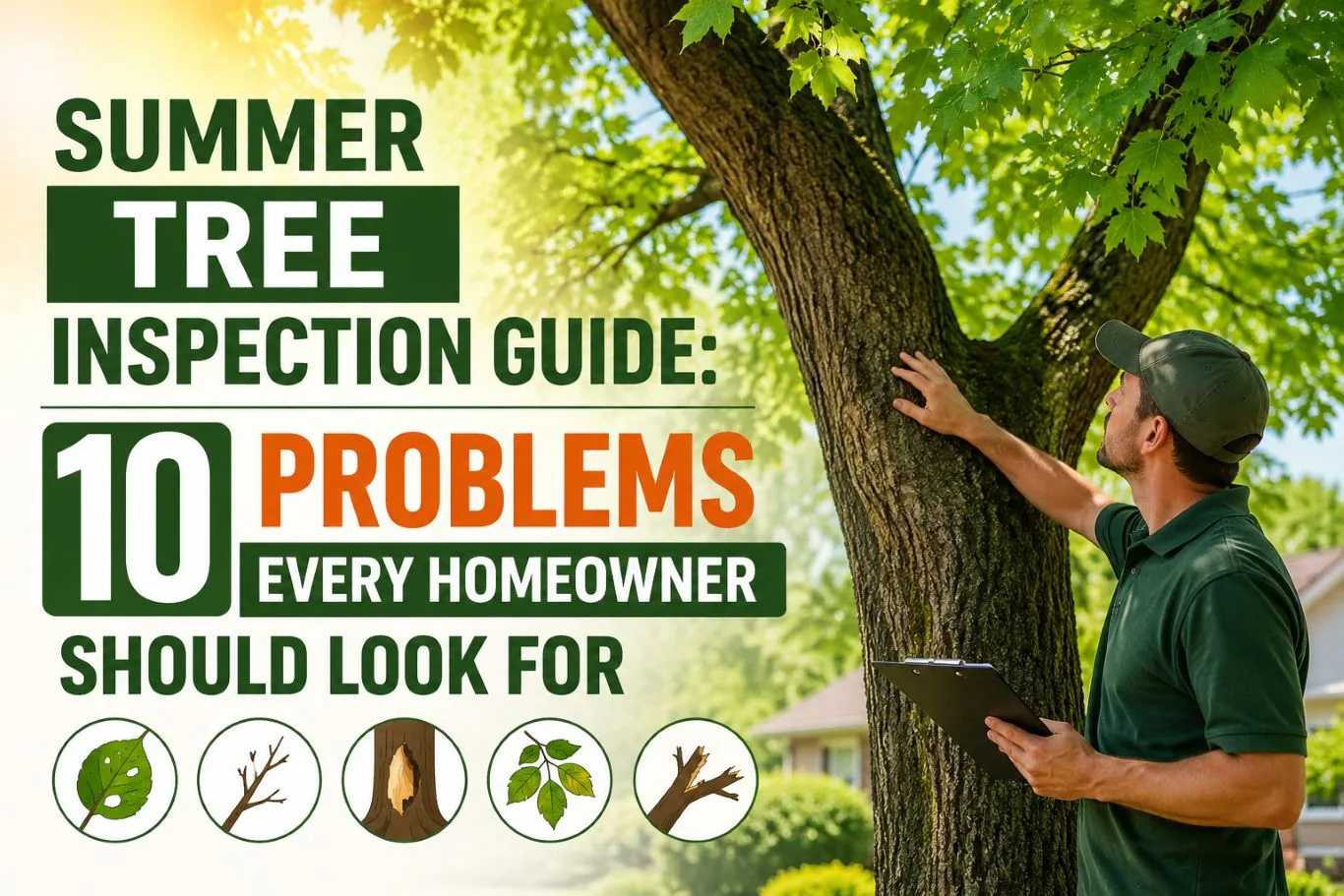
- Using a comprehensive summer tree inspection guide allows you to catch ten common, hidden structural and biological issues before they threaten your home.
- Learn to spot visual warnings like thinning crowns, marginal foliage scorch, and early leaf shedding caused by extreme heat.
- Discover the dangers hidden on the trunk and root flare, including structural cracking, bark cankers, and decay-indicating fungal brackets.
- Understand structural weaknesses such as brittle deadwood and tight V-shaped unions that fail under the weight of summer storms.
- Find out how professional diagnostic audits safeguard your landscape’s health and ensure full compliance with regional conservation rules.
Introduction
A mature, leafy canopy is one of the most rewarding features of any garden, offering natural privacy, cooling shade, and an essential refuge for local wildlife. During the warmer months, our gardens shift into the focus of daily life, yet it is incredibly easy to take our largest plants for granted. Because a tree looks full and green from a distance, we naturally assume it is thriving. In reality, the high temperatures, prolonged dry spells, and sudden, severe thunderstorms of mid-summer place immense physical and biological pressure on a tree. Catching minor defects, pest infestations, and structural strains during the active growing season can prevent irreversible decline or costly emergency property damage down the line. At Chigwell Tree Services, we pair a deep understanding of plant physiology with practical estate management, offering a trusted, high-quality standard for tree services in Essex to keep your landscape beautiful, stable, and secure all summer long.
Ready to book a professional safety audit for your mature or protected trees? Message our friendly Essex specialists now for an expert consultation :
The Value of an Active-Season Audit
The initial stage of any reliable summer tree inspection guide involves stepping back to look closely at the entire tree when it is in full leaf. When a tree is dormant in the winter, it can be remarkably difficult to identify localized dieback or hidden vascular failures.
In summer, the foliage tells the complete story. Problems stand out clearly against a green backdrop, providing the ideal diagnostic window to evaluate canopy density and watch for signs of heat exhaustion. By intercepting these issues while the tree's vascular system is highly active, you allow the plant to react immediately, using its energy reserves to seal off wounds and calloused wood before winter sets in.
The 10 Summer Problems You Must Watch For
To keep your landscape secure, walk through your garden and audit your mature and young trees for these ten common environmental, structural, and pest-related warning signs:
1. Thinning Crowns and Asymmetric Growth
A healthy summer canopy should appear uniform, thick, and well-distributed. If you notice one side of the canopy looks thin, bare, or patchy while the other side is dense, the tree may be suffering from a localized root injury, soil compaction from foot traffic, or an active vascular infection.
2. Marginal Leaf Scorch
When leaves lose moisture faster than the roots can absorb it, the tissue dies from the outside inward. Leaf scorch shows up as crisp, brittle, brown or yellow edges along the leaf margins while the inner veins stay green. This is a clear indicator of heat stress and severe groundwater depletion.
3. Premature Leaf Shedding
If a tree faces severe dehydration, it takes drastic action to defend its core systems. Dropping large volumes of green or yellowing leaves in July or August is a distress signal, showing the tree is intentionally shedding part of its canopy to reduce its overall demand for water.
4. Deep Structural Trunk Cracks
Walk around the trunk and look for deep, vertical cracks that penetrate past the outer bark into the structural timber. While superficial peeling is natural for species like London Plane or Silver Birch, deep cracks point to severe internal stress or shifting weight loads, which can split apart under the strain of high summer winds.
5. Oozing Bark Cankers and Discoloration
Watch out for dark, wet patches or weeping sores along the bark that ooze a sticky, dark sap. These cankers are common indicators of bacterial and fungal infections, such as bleeding canker or Fire Blight, which slowly strangle the tree's internal hydration channels.
6. Insect Boring Holes and Frass
Small, perfectly round holes or D-shaped exits in the bark suggest that wood-boring beetles have targeted the tree. These pests are drawn to stressed plants to lay eggs, and their larvae chew through the vital cambium layer just beneath the bark. Look out for “frass”—a fine, sawdust-like powder caught in bark crevices or piled around the base of the trunk.
7. Fungal Brackets and Toadstools at the Base
Keep a close watch for any shelf-like fungal brackets, mushrooms, or toadstools sprouting directly from the root flare or along major surface roots. Fungal bodies at ground level indicate severe internal wood decay and root rot. Because the root plate anchors the entire weight of the canopy, a tree with compromised roots poses a significant safety hazard.
8. Suffocated Root Flares (Mulch Volcanoes)
The root flare—the spot where the base of the trunk expands out as it enters the soil—should always be fully visible and open to the air. A very common landscaping error is piling soil or decorative woodchips high against the trunk, creating a “mulch volcano.” This traps dampness against the bark, softening the wood and providing an easy entryway for root pathogens.
9. Brittle, Heavy Deadwood
Dead branches can be hard to notice in the winter, but they stand out clearly in summer because they remain completely bare while the rest of the tree is in full leaf. Deadwood is brittle, lacks flexibility, and can snap unexpectedly during a sudden summer gale, risking damage to greenhouses, boundary fences, or public footpaths below.
10. Tight V-Shaped Unions and Co-Dominant Trunks
Examine the points where major structural limbs meet. Branches that form a wide, stable “U” shape are structurally secure. However, tight, narrow “V” shapes often develop “included bark,” where the bark grows inward and presses against itself rather than fusing into solid wood. As the limbs grow heavier with summer foliage and fruit, this weak attachment point is highly prone to splitting apart.
Soil Conditions and Regional Variations
The rate at which these ten problems develop depends heavily on the specific soil type in your garden. Across the region, variations in ground composition alter how water and oxygen move through the root zone.
- Heavy Clay Soils: Much of the regional landscape features heavy clay. Clay excels at holding onto moisture, but it absorbs water very slowly and can bake into a concrete-like surface during a heatwave. If water is applied too quickly to dry clay, it simply runs off without soaking in, worsening drought stress.
- Sandy Soils: Porous, sandy soils allow water to drain away rapidly, moving past the active root zone before fine roots can absorb it. Trees in sandy ground require more frequent, targeted watering sessions using organic mulch buffers to retain moisture. For complex landscapes facing historic soil depletion, consulting certified firms providing reliable tree services in the UK can help you implement safe, organic soil conditioning solutions to improve water retention naturally.
Precision Equipment and Professional Audits
While a basic visual inspection is a great practice for homeowners, handling large trees, correcting weak structural unions, or removing heavy deadwood requires specialized training and industrial tools. Professional arborists use commercial-grade equipment, including long-reach telescopic pruners, micro-drills for resistance testing, and air-spades to examine root flares safely without damaging sensitive tissues.
Sharp, clean cuts are essential for tree health; dull domestic blades tend to tear and crush stems, leaving ragged edges that attract pests and diseases. Whenever you require an advanced safety check, it is always best to work with established tree surgeons in Essex to ensure your property boundaries stay fully protected.
FAQs
1. What should I do if my tree has an active bird's nest during an inspection?
Under the Wildlife and Countryside Act, it is a criminal offense to intentionally disturb or damage an active wild bird's nest. If you spot a nest during your inspection, all structural work and pruning in that localized area must be completely paused until the young birds have naturally fledged.
2. Can a tree with a deep trunk crack be saved, or must it be removed?
It depends entirely on the depth, age, and location of the split. If the crack is stable and the tree is healthy, it can often be secured using professional structural cabling, bracing, or a light crown reduction to ease weight loads. A qualified arborist can perform an advanced safety test to find the best solution.
3. How quickly can your local teams respond to a domestic check in my area?
We operate a prompt local scheduling network. For standard domestic and commercial safety inspections, we can typically schedule an expert on-site evaluation within 24 to 48 hours of your initial inquiry.
4. What specific geographic locations do your inspection crews cover?
Our daily operational area fully covers the entire county of Essex, including Chigwell, Loughton, Woodford, Epping, Brentwood, Buckhurst Hill, and nearby North London districts. This regional focus ensures we understand local council rules and common soil profiles.
5. Are your arborists fully qualified to handle trees in conservation areas?
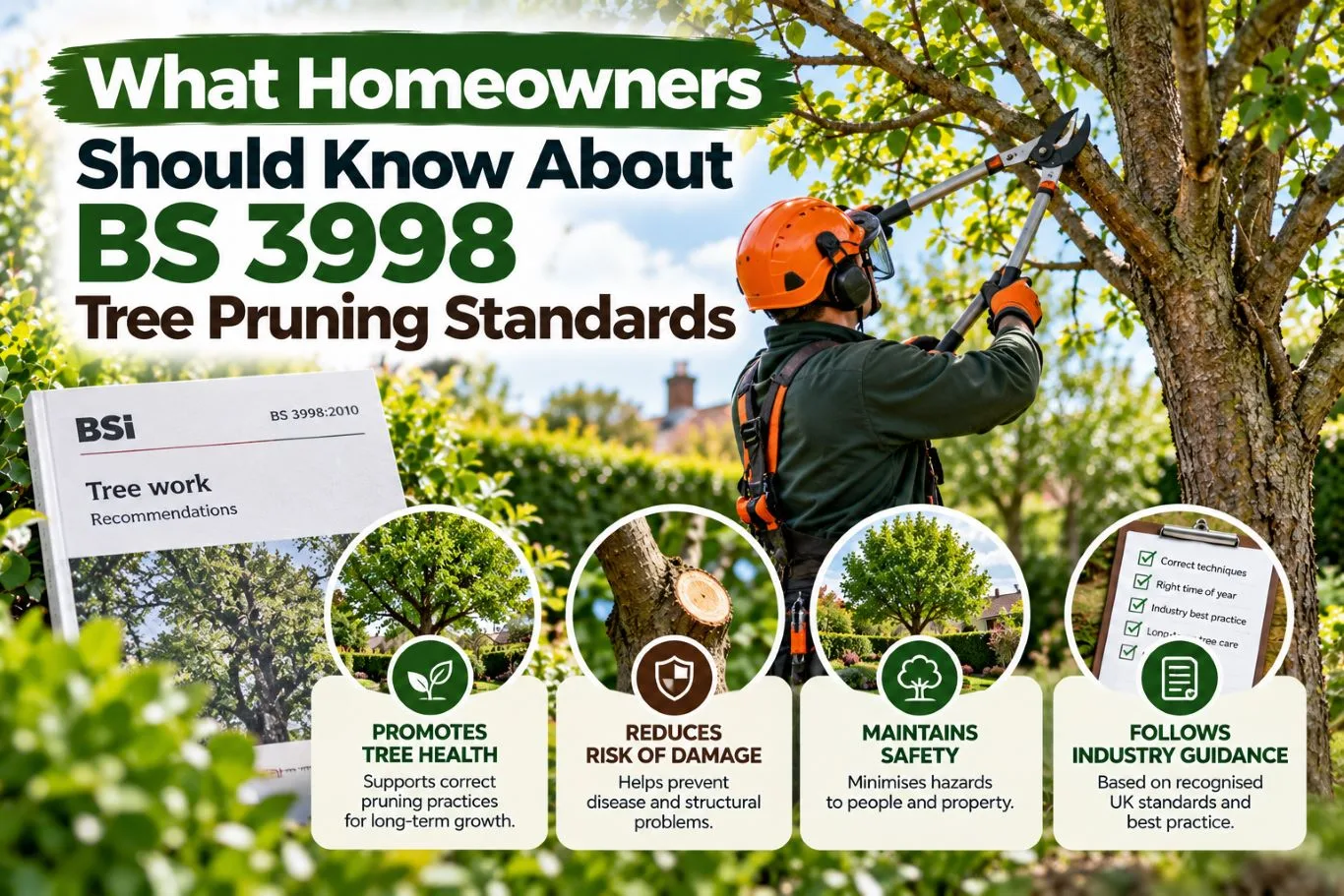
Yes, completely. Our entire field crew holds fully verified NPTC and LANTRA arboricultural qualifications. We carry extensive public liability insurance, and all our pruning and maintenance work conforms strictly to British Standard BS 3998:2010 safety guidelines.
Conclusion / Final Thoughts
Walking through your garden with a structured summer tree inspection guide is one of the most effective ways to protect your property and ensure the long-term health of your landscape. By identifying visual symptoms like leaf scorch, trunk splits, and decay-indicating fungal brackets early, you can step in with the right care before a minor environmental stress turns into a costly safety hazard. Taking these proactive steps keeps your outdoor spaces vibrant, shaded, and secure for years to come.
At Chigwell Tree Services, we take pride in delivering honest, professional, and customer-focused care for domestic gardens and commercial landscapes alike. We combine modern arboricultural practices with reliable service to deliver clean, long-lasting results. If you are currently searching for dependable tree services in Essex to evaluate your green assets, our local specialists are always ready to provide trusted support. Keep your home safe and beautiful through every season by choosing an expert, professional standard of care for your garden canopies.
Looking to get expert tree services in Essex?