Quick Summary
- Hiring professional arborists ensures the structural longevity, visual appeal, and overall health of your mature trees.
- Learn the definitive difference between standard, unqualified tree lopping and scientific arboricultural practices.
- Discover how proactive hazard identification prevents costly emergency property damage during unpredictable British storms.
- Understand the vital legal and environmental guidelines, including compliance with local wildlife nesting laws and TPOs.
- See how professional canopy management maximizes natural garden sunlight while preserving native UK tree species.
Introduction
A thriving landscape is one of the most valuable assets a property can possess, offering environmental benefits, visual structure, and a welcome touch of nature. However, maintaining the health and safety of mature trees requires a deep understanding of plant biology, structural mechanics, and regional climate patterns. When local trees become overgrown, unstable, or show signs of disease, turning to unvetted contractors or attempting heavy DIY work can lead to irreparable damage. Preserving the delicate balance of your outdoor space demands specialized knowledge. At Chigwell Tree Services, we are dedicated to providing scientific, reliable tree management, utilizing our team of professional arborists in Essex to ensure your boundaries, lawns, and canopies remain healthy and safe throughout every season.
Give your trees the expert care they deserve—connect with our professional arborists today for a scientific health and safety check :
Tree Care vs. Tree Hacking: The Scientific Difference
To the untrained eye, tree work might look like simply cutting away branches until a tree fits a specific shape. In reality, every single incision made to a tree's canopy triggers a biological response that can either prolong its life or begin its decline.
The Biology of a Proper Pruning Cut
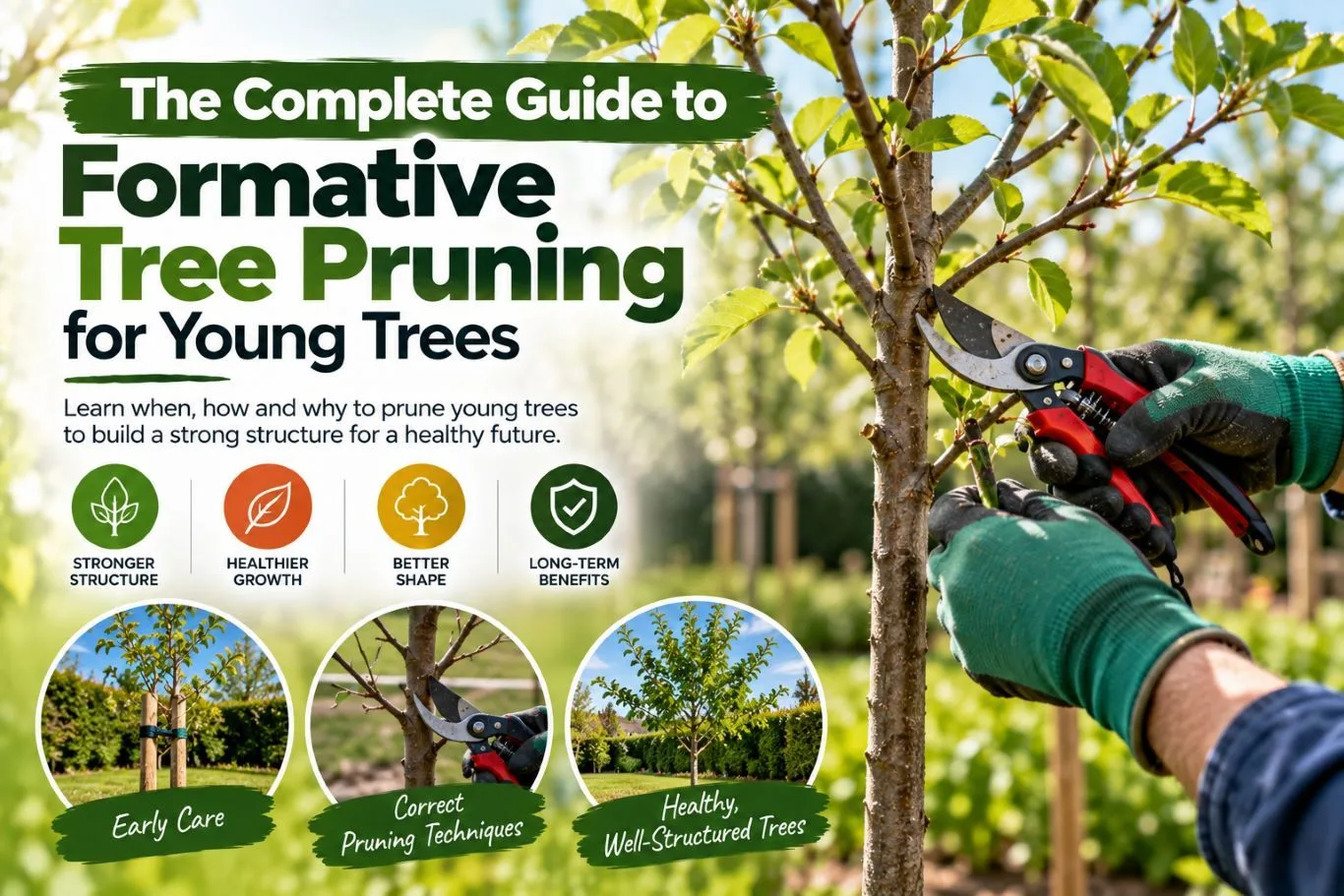
When professional arborists prune a branch, they never cut flush against the main trunk, nor do they leave long, unsightly stubs. Instead, they make a precise cut just outside the branch bark ridge and branch collar. This specific area contains specialized cells that allow the tree to compartmentalize the wound, creating a natural seal that prevents wood-rotting fungi and pests from entering the internal heartwood.
The Destructive Practice of Tree Topping
In contrast, unqualified workers often suggest “topping”—the indiscriminate cutting of tree branches to stubs. This practice shocks the tree, forces the rapid growth of weak, dangerous epicormic shoots, and leaves massive open wounds that the tree cannot heal. Understanding these biological nuances is what separates a scientific specialist from an amateur lopper.
The Essential Toolkit of Canopy Management
Managing a mature tree involves a variety of highly technical techniques tailored to the specific needs of the plant, its location, and the goals of the property owner.
Crown Reduction
This process involves reducing the overall height and spread of the tree’s canopy by cleanly cutting back branches to lateral growth points. It is ideal for trees that have outgrown their residential spaces, alleviating mechanical stress on individual limbs while maintaining the natural silhouette of the species.
Crown Thinning
Thinning removes a small percentage of secondary live branches from within the inner canopy. This technique does not alter the size or shape of the tree but significantly improves wind permeability, allowing heavy gales to blow safely through the canopy rather than catching it like a massive sail. It also increases sunlight penetration to the lawns and garden beds below.
Crown Lifting
Lifting involves the removal of the lowest branches to clear space above public footpaths, driveways, or highways. This is a critical service for commercial properties and public spaces, ensuring regulatory compliance with local highways authorities while eliminating low-hanging obstacles.
Proactive Hazard Management and Tree Biomechanics
Trees are living structures subject to the laws of engineering. Over decades of growth, structural faults can develop that make a tree vulnerable to catastrophic failure under the weight of its own canopy or during severe weather conditions.
Identifying Internal Defects
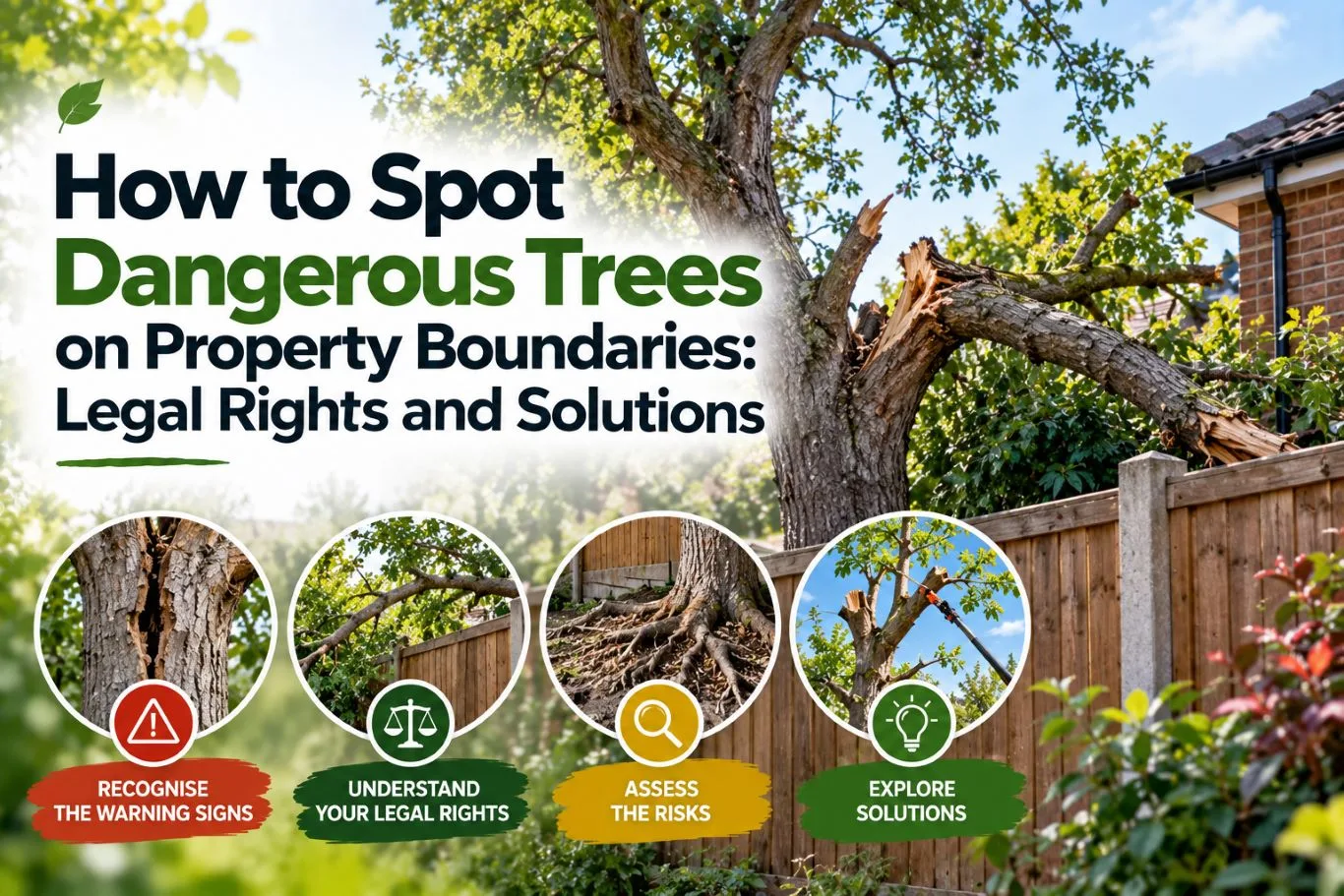
A tree can look perfectly vibrant and green while harboring severe internal weaknesses. Specialists are trained to recognize subtle external warning signs of structural decay, such as:
- V-shaped unions: Tight, narrow crotches between main stems that often contain included bark, making them highly prone to splitting down the middle.
- Cankers and fungal brackets: Fruit-bodies growing from the trunk or roots, indicating that wood-decaying fungi are actively breaking down the structural lignin inside.
- Ground-level cracking: Subtle shifts or lifting in the soil around the root plate, signaling that the tree's anchoring system is failing.
Bracing and Structural Support
Not every structurally compromised tree needs to be cut down. If a historically or aesthetically significant tree develops a structural split, we can install non-invasive, dynamic cable bracing systems high in the canopy. These systems limit extreme movement during storms, absorbing dynamic energy while allowing the tree to continue growing naturally. Relying on this level of expertise from professional arborists in the UK allows property owners to preserve mature canopies that would otherwise have to be felled for safety reasons.
Navigating Environmental Legality and Wildlife Protections
Arboriculture in modern society is deeply intertwined with environmental law. Managing trees responsibly means operating within strict legal frameworks designed to protect local biodiversity.
The Wildlife and Countryside Act
In the UK, all wild birds, their nests, and their eggs are protected by law. It is a criminal offense to intentionally or recklessly destroy a nest while it is in use or being built. Our team conducts thorough pre-work wildlife inspections to check for nesting birds, bat roosts, and protected insects. If wildlife is present, we adjust project timelines or implement specialized safety buffers to remain fully compliant with national conservation standards.
Planning Applications for TPOs and Conservation Areas
If your property features trees protected by a Tree Preservation Order (TPO) or sits within a Conservation Area, performing unauthorized work can result in severe prosecution and heavy fines. We handle the entire bureaucratic process for our clients, creating detailed, evidence-based applications for local planning authorities to ensure all intended pruning or removal is fully authorized before any work begins on the ground.
Reclaiming Space: Stump Grinding and Site Clearance
The responsibilities of tree management extend from the highest leaf down to the deep roots. When a tree must be removed due to disease or development, the remaining stump requires proper handling.
The Risks of Retaining Old Stumps
Leaving a tree stump to rot naturally in your garden is an open invitation for wood-boring pests, termites, and aggressive root-rotting fungi like Honey Fungus. These pathogens can travel through interconnected root systems beneath the soil, eventually infecting and killing neighboring healthy shrubs and ornamental trees.
Mechanical Removal
Using high-powered, tungsten-tipped mechanical grinders, we reduce stumps to organic wood mulch well below the soil surface. This process eliminates biological hazards, eliminates a significant trip hazard, and restores the ground, allowing you to lay turf, install paving, or redesign your landscape without subterranean obstructions.
Why Certified Professional Care Protects Your Property Value
Some property owners consider tree care a simple cost, but it is actually a direct investment in the long-term appraisal and safety of your estate.
- Curb Appeal: Well-maintained, symmetrically pruned trees instantly elevate the structural elegance and premium feel of a home or business.
- Risk Mitigation: Regular structural check-ups prevent localized branch failures that could damage roofs, vehicles, or neighboring boundary lines, avoiding expensive insurance claims and legal disputes.
- Canopy Longevity: Early detection of treatable pests and vascular diseases saves mature specimens that take decades to replace, preserving the established character of your landscape.
FAQs
Q1: What is the difference between an arborist and a traditional tree lopper?
An arborist is a scientifically trained professional who understands tree biology, tree health, and proper cutting techniques that prevent disease. A traditional tree lopper or amateur cutter often focuses strictly on cutting away branches without considering the biological impact or long-term structural health of the plant.
Q2: How quickly can your team respond to a tree assessment in my area?
We maintain a highly responsive local scheduling system. For standard residential and commercial inquiries, we can typically arrange a professional site assessment within 24 to 48 hours of your initial contact.
Q3: What areas do your professional tree care teams cover?
Our core service area encompasses the entire Essex region, along with surrounding local towns and the North London borders. This deep local focus ensures we are intimately familiar with regional soil profiles, weather vulnerabilities, and local council planning regulations.
Q4: Are your tree surgeons fully insured and qualified?
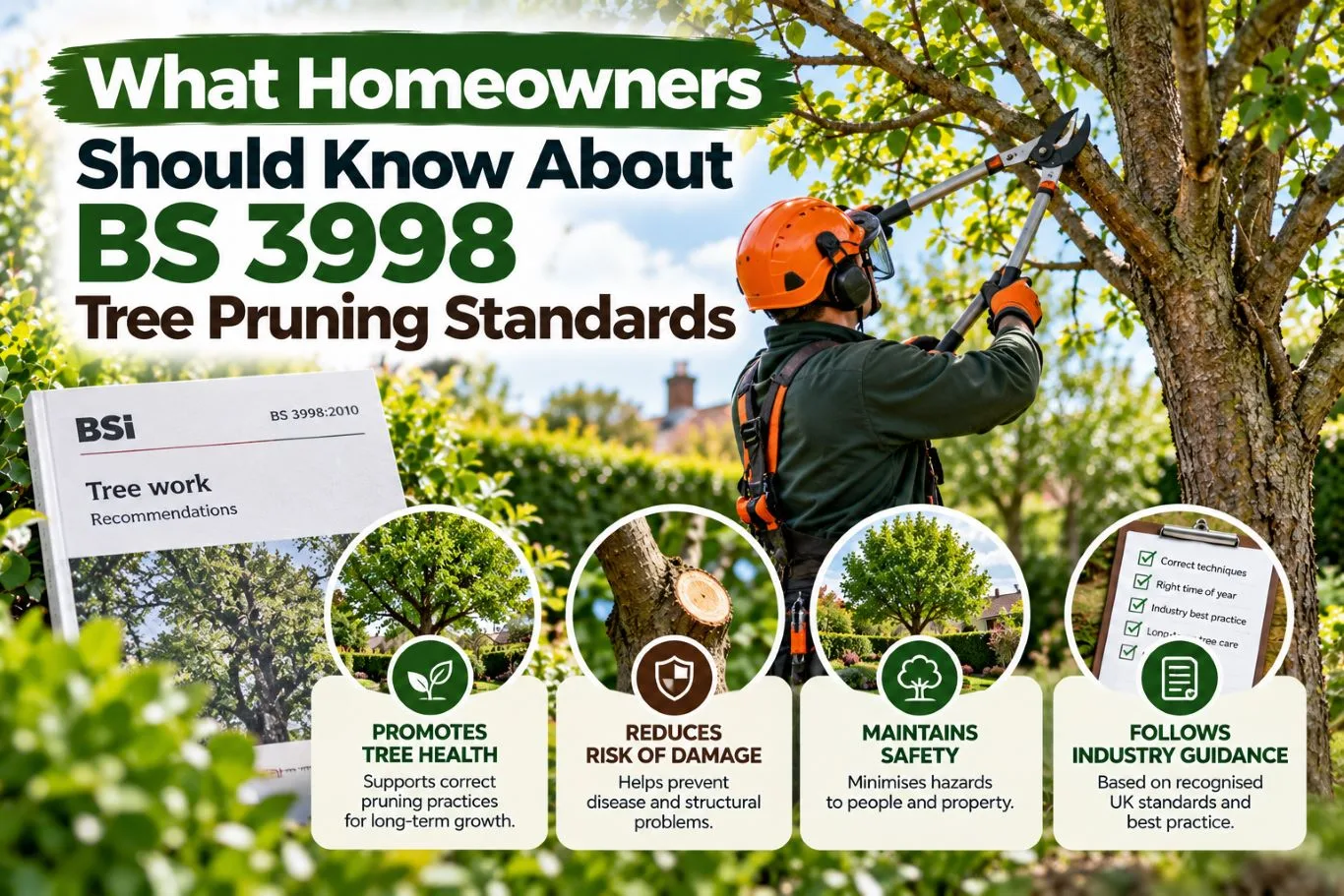
Yes. Our entire team holds recognized NPTC and LANTRA arboricultural qualifications, and we operate under comprehensive public liability insurance. This guarantees that all work is executed safely and in accordance with British Standard BS 3998:2010.
Q5: Is it safe to leave a tree branch hanging over my roofline?
We strongly advise having it inspected. Branches hanging directly over buildings pose a constant risk from unexpected high winds, and falling debris can block guttering systems, leading to localized damp and water damage along your roofline.
Conclusion / Final Thoughts
The trees within our gardens and public landscapes are silent structural foundations that define the character, ecosystem, and financial value of our communities. Caring for them properly means looking beyond the immediate view and managing their health with scientific precision, patience, and legal responsibility. By trusting your land to certified experts, you ensure that every tree receives the specific care it needs to thrive safely alongside your home.
At Chigwell Tree Services, we are committed to being a transparent, customer-oriented partner for residential and commercial landowners alike. We combine advanced mechanical equipment with an uncompromising respect for arboricultural standards to deliver safe, clean, and beautiful results. If you are currently searching for highly qualified professional arborists near me or reliable, insured tree surgeons near me, our local specialists are ready to help. Protect your landscape's future today by giving your trees the expert care they truly deserve.
Ensure the long-term safety, health, and beauty of your landscape by securing your professional arboricultural assessment today :