Quick Summary
- Mastering tree pruning and reduction ensures your garden trees remain structurally sound, safe from storm failures, and visually balanced.
- General Pruning focuses on internal health, eliminating deadwood, clearing crossing branches, and improving airflow without altering the tree's size.
- Crown Reduction systematically scales back the outer height and lateral spread to ease mechanical stress on heavy limbs and clear boundary lines.
- Discover the biological benefits of targeted cuts, from boosting disease resistance to preventing bark tear-outs.
- Learn how certified arborists follow British Standard BS 3998 guidelines to protect your property and prolong tree longevity.
Introduction
A mature tree provides exceptional character, cooling shade, and natural screening for any residential garden. However, without regular care, trees can develop structural defects, shade out underlying lawns, or grow dangerously close to rooflines and utility wires. When assessing how to manage an overgrown or dense canopy, property owners must understand the distinct principles of tree pruning and reduction. While these terms are frequently grouped together, they represent different arboricultural strategies designed to address specific tree health and safety needs. Applying the incorrect cutting method can stress the plant, trigger weak shoot growth, or fail to resolve your property concerns. At Chigwell Tree Services, our certified arborists deliver expert tree care and comprehensive tree services in Essex, ensuring your landscape remains safe, healthy, and beautifully maintained through every season.
Ready to reduce canopy spread safely while preserving your tree's natural shape and vitality? Message our friendly Essex specialists on WhatsApp now for a fast consultation :
Understanding General Tree Pruning
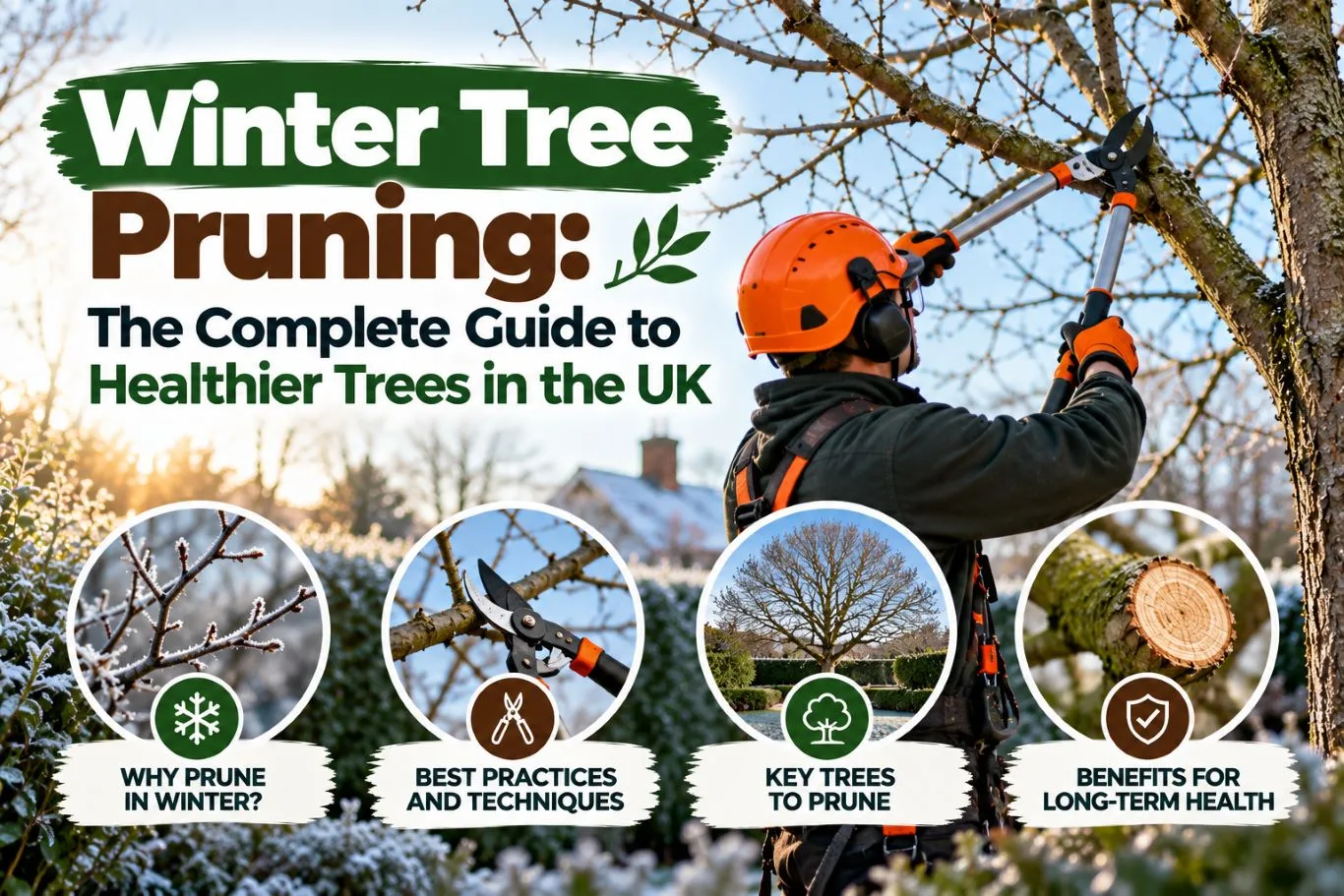
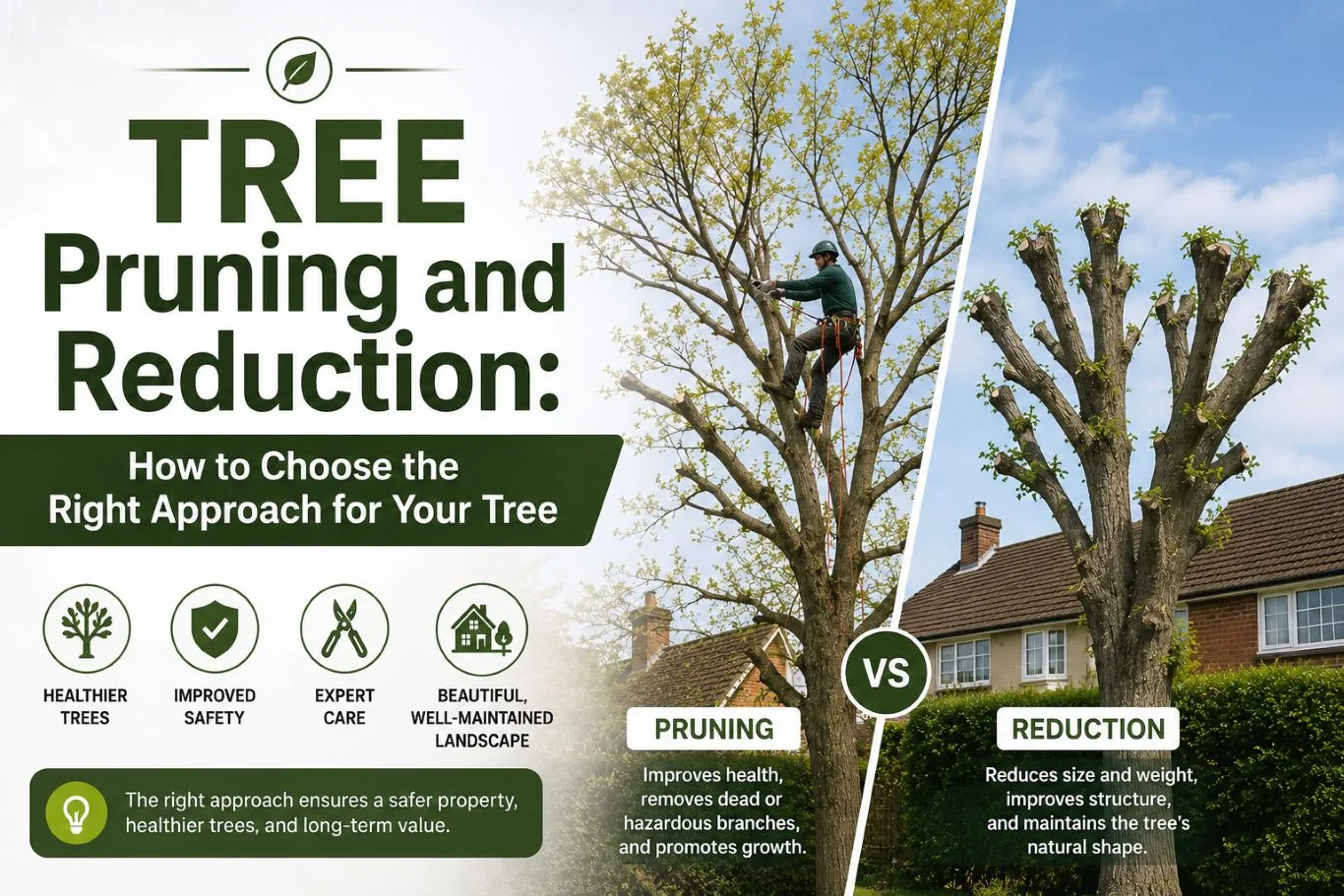
General pruning encompasses targeted maintenance aimed at preserving tree health, improving structural framework, and eliminating potential hazards within the canopy.
Arboricultural Framework:
– General Pruning: Health-focused; targets interior deadwood, crossing branches, and congested foliage; retains natural height and spread.
– Crown Reduction: Dimension-focused; shortens outer branch tips back to lateral growth points; reduces overall size and wind resistance.
The Primary Objectives of Pruning
Rather than altering the tree's outer dimensions, general pruning works within the existing canopy structure. Key pruning operations include:
- Deadwooding: Removing dead, dying, or decaying branches before they snap and fall.
- Crown Cleaning & Thinning: Eliminating rubbing, crossing, or weak branches that create open bark wounds, while selectively opening interior foliage clusters to let sunlight and air pass through.
- Crown Lifting: Pruning the lowest lateral branches to increase clearance over lawns, driveways, footpaths, or public highways.
Core Benefits of Pruning
- Healthier Trees: Removing diseased or decaying limbs prevents fungal pathogens from spreading deeper into the trunk.
- Improved Safety: Eliminates brittle deadwood and weak attachments that could fall during high winds.
- Enhanced Appearance: Cleans up irregular growth patterns while maintaining the tree's natural silhouette.
- Better Light & Airflow: Increased ventilation through the crown dries foliage quickly, reducing the risk of foliar leaf diseases.
Understanding Crown Reduction
While general pruning focuses on internal refinement, crown reduction is an intensive technique designed to reduce the physical height and lateral spread of the tree's canopy.
The Mechanics of Crown Reduction
During a crown reduction, an arborist shortens branch tips back to active lateral growth points (side branches) that are substantial enough to assume the terminal role (typically at least one-third the diameter of the removed stem).
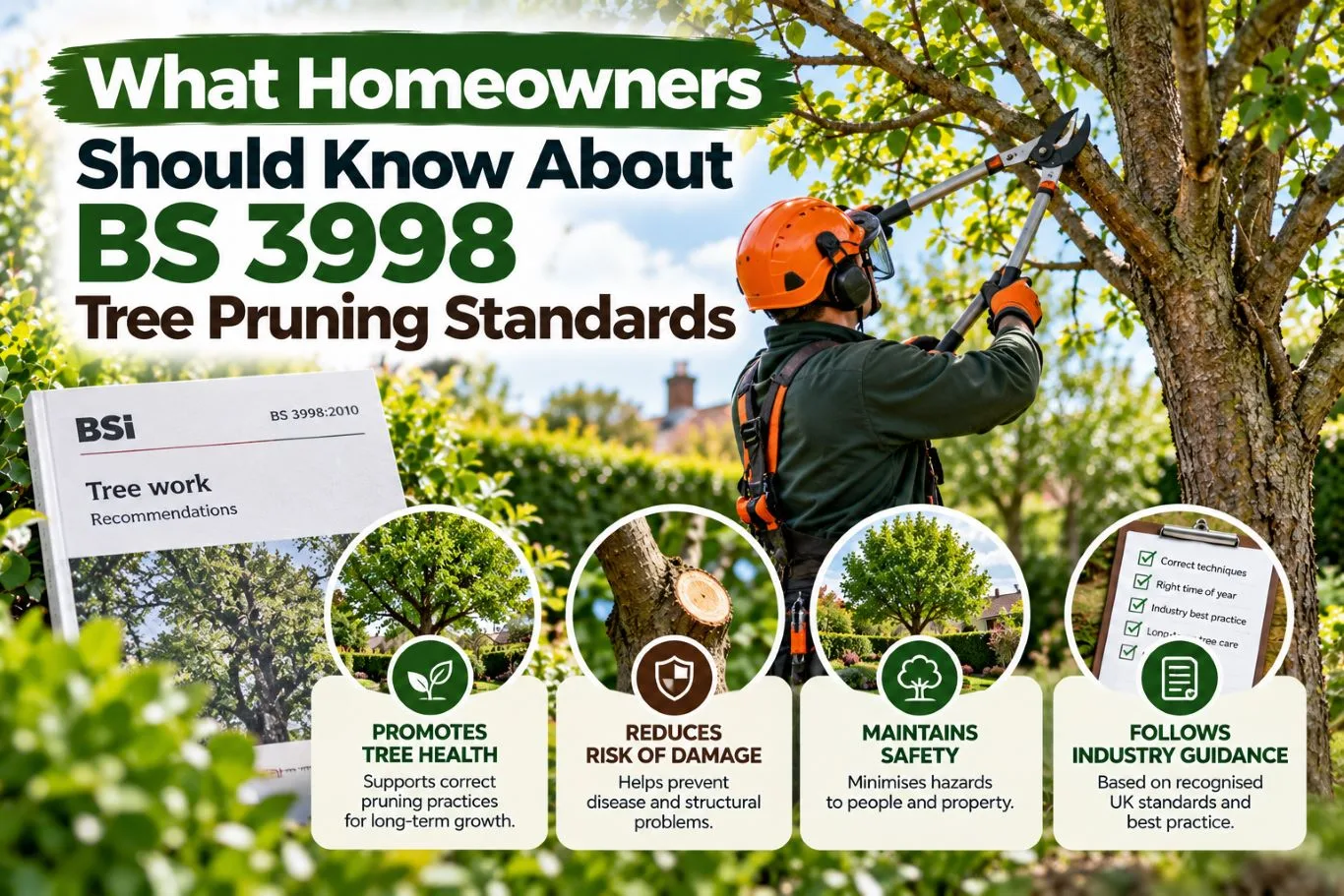
Crucially, cuts are made just outside the branch bark ridge and collar, complying strictly with British Standard BS 3998:2010 (Recommendations for Tree Work). This prevents leaving bare, dead stubs that cannot heal.
Core Benefits of Crown Reduction
- Reduces Size & Weight: Decreases the physical volume of the canopy, bringing sprawling limbs back into proportion with domestic garden boundaries.
- Relieves Mechanical Strain: Shortens long, heavy limbs, drastically reducing lever-arm leverage on defective or aging trunk unions.
- Reduces Wind Sail Load: Making the canopy smaller allows the tree to withstand violent storm gusts with a significantly lower risk of uprooting.
- Maintains Natural Architecture: Unlike harmful “tree topping,” a professional reduction scales the canopy down proportionally, preserving a graceful, natural outline.
Side-by-Side Comparison: Pruning vs Reduction
| Feature / Factor | General Tree Pruning | Tree Crown Reduction |
| Primary Focus | Tree vitality, health, and hazard removal | Controlling height, spread, and physical weight |
| Canopy Silhouette | Retains original natural shape and dimensions | Proportionally smaller, compact, and balanced |
| Where Cuts Occur | Interior branches, deadwood, crossing stems | Outer perimeter branch tips cut to lateral leaders |
| Impact on Tree Height | No change to overall height | Noticeable reduction in height and spread |
| Best Used For | Shaded lawns, minor deadwood, general maintenance | Overgrown trees, roof clearance, storm hazard prevention |
How to Choose the Right Approach for Your Garden
Selecting the correct arboricultural technique depends entirely on the physical condition of your tree and the specific challenges of your grounds:
Choose General Pruning When:
- The tree is structurally sound, but dead or brittle branches are visible within the canopy.
- Dense internal foliage is blocking sunlight from reaching your patio, lawn, or flowerbeds.
- Lower hanging branches obstruct pedestrian pathways, lawnmowers, or vehicle sightlines on driveways.
- You want to maintain the tree's mature size and natural silhouette while optimizing overall health.
Choose Crown Reduction When:
- The tree has outgrown its garden space, with upper branches brushing against roof tiles, chimney stacks, or overhead cables.
- Long, over-extended lateral limbs appear heavy, droop under wet leaves, or show stress cracks.
- The tree has a compromised root system or trunk cavity, requiring weight reduction to prevent catastrophic failure during storms.
- You need to reduce shading and wind resistance significantly while preserving the tree rather than felling it completely.
The Value of Certified BS 3998 Standards
Tree surgery is a high-risk discipline that requires specialized rigging equipment, sharp tools, and an intimate understanding of plant biology.
Improper pruning—such as cutting branches flush against the trunk (flush cuts) or lopping limbs off at arbitrary points (topping)—destroys a tree's natural defense barriers. These mistakes leave large open wounds exposed to moisture and wood-rotting fungi, triggering weak, hazardous shoot regrowth.
Hiring qualified tree surgeons guarantees that all work complies with recognized UK standards. Certified arborists assess tree species tolerance, calculate safe foliage removal thresholds (typically no more than 20% to 30% in a single season), and execute clean, precision cuts that promote rapid wound compartmentalisation.
FAQs
1. Can pruning and crown reduction be carried out at the same time?
Yes. Professional arborists frequently combine a crown reduction (to scale back overall height and spread) with targeted internal pruning and deadwood removal. The primary rule is ensuring that total canopy removal stays within safe biological thresholds to avoid shocking the root system.
2. What is the best time of year to prune or reduce trees in the UK?
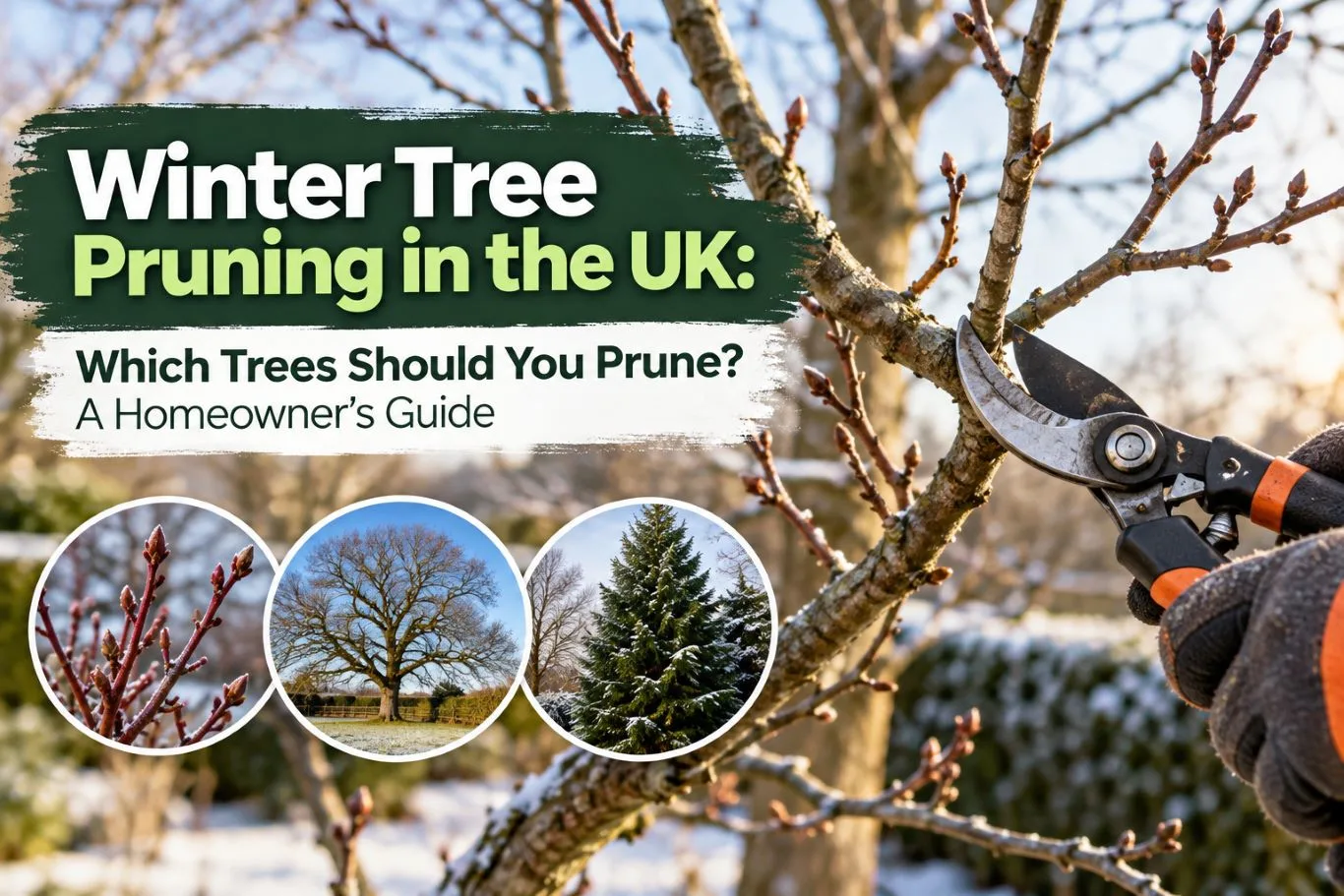
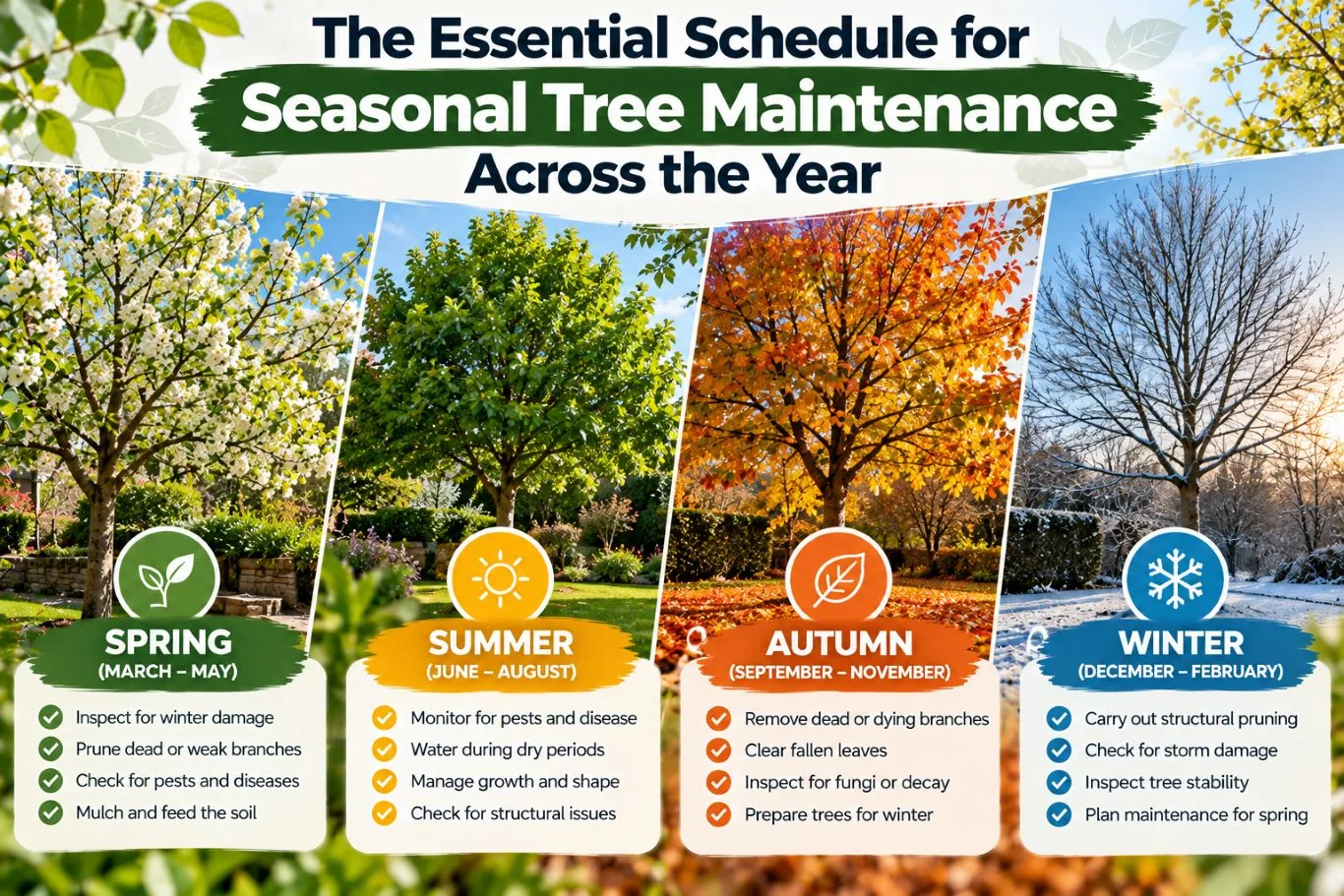
For most broadleaf deciduous species, the dormant winter period (November to March) is ideal because sap flow is low and the branch structure is fully visible. However, specific trees like Silver Birch (which bleed sap heavily in late winter) or Cherry and Plum trees (susceptible to Silver Leaf disease) are best pruned in mid-summer.
3. How quickly can your local team assess my garden and provide a quote?
We maintain an efficient, local dispatch network. For domestic and commercial property evaluations, our team can typically arrange an on-site survey and provide an itemized, fixed-price quote within 24 to 48 hours of your inquiry.
4. What specific geographic areas do your arborists cover?
Our daily operational area encompasses the entire county of Essex—including Chigwell, Loughton, Epping, Woodford, Brentwood, and Buckhurst Hill—as well as adjacent East and North London areas.
5. Are your tree surgeons fully insured and qualified?
Yes, completely. Our entire field team holds verified NPTC and LANTRA qualifications for commercial aerial tree surgery, rigging, and chainsaw operations. We carry full public liability insurance, guaranteeing safe, responsible, and clean site management.
Conclusion / Final Thoughts
Selecting the appropriate approach between tree pruning and reduction is vital for safeguarding your home, improving your garden's aesthetic, and supporting the long-term vitality of your trees. While general pruning eliminates hazardous deadwood and improves light penetration without altering the tree's outline, crown reduction is the definitive solution for managing overgrown canopies, clearing structural boundaries, and easing mechanical stress on heavy limbs.
At Chigwell Tree Services, we take pride in delivering honest, professional, and customer-focused care for residential gardens and commercial grounds alike. We combine modern machinery with certified arboricultural standards to deliver clean, precise, and reliable results on every job. Whether you need minor canopy thinning or a comprehensive crown reduction, our experienced local specialists are always ready to assist. Contact our friendly team today to schedule your on-site assessment and keep your grounds thriving in complete safety.