
Quick Summary
- Discover how traditional tree pollarding controls canopy dimensions, improves safety, and maintains tree health in residential environments.
- Understand the step-by-step biological mechanism behind pollard heads (knuckles) and how cyclic cutting produces dense, uniform regrowth.
- Learn why specific deciduous species like London Plane, Lime, and Willow thrive under pollarding, while conifers should never undergo this process.
- Explore the essential maintenance frequencies and ideal seasonal windows to ensure strong wound compartmentalisation.
- Review key property management benefits, including storm hazard reduction, increased natural sunlight, and long-term cost efficiency.
Introduction
Managing mature, fast-growing trees on domestic grounds or near public thoroughfares requires a careful balance between preserving natural beauty and protecting structural safety. When branches begin interfering with utility lines, blocking natural light from windows, or extending over neighbouring boundaries, property owners need a sustainable, long-term pruning regime. Rather than resorting to aggressive, damaging practices, many turn to traditional tree pollarding to control height and spread effectively. This time-tested arboricultural management system restricts canopy growth while promoting robust, healthy regrowth season after season. At Chigwell Tree Services, our certified specialists deliver dedicated guidance and professional tree pollarding services in Essex, ensuring your trees remain safe, balanced, and perfectly proportioned for your landscape.
Ready to control tree size safely while keeping your garden bright and filled with natural light? Message our friendly Essex specialists on WhatsApp now :
What Is Tree Pollarding and How Does It Function?
Pollarding is a specialized pruning methodology with roots dating back centuries in the UK and continental Europe. Unlike standard canopy reductions that lightly trim the outer perimeter, pollarding involves systematically removing the upper branches back to the main trunk or a set of primary scaffold limbs.
Biological Framework of Pollarding:
– Initial Framework: Established on young, vigorous trees at a set height.
– Pollard Knuckles: Swelling callous tissue forms at cutting points, storing vital energy reserves.
– Regrowth Cycle: Dense dormant buds produce vigorous, upright shoots each growing season.
– Cyclic Recutting: Shoots are cleanly pruned back to the knuckle every 1 to 3 years.
The Biology of Pollard Heads
The core mechanism of pollarding relies on the formation of “pollard heads” or “knuckles.” When a tree is cut back to the same points on a predictable cycle, the plant produces calloused tissue to seal the cuts. These swollen knuckles act as nutrient reservoirs, housing dense clusters of dormant buds that burst into vigorous new stems each spring. Because subsequent pruning cuts are made directly back to these knuckles without damaging the primary trunk, the tree compartmentalises wounds effortlessly, preventing wood rot and structural decay.
Step-by-Step: The Tree Pollarding Process
To achieve healthy, sustainable results, arborists carry out the tree pollarding process through a structured, multi-phase routine:
- Framework Establishment: The process begins when the tree is relatively young and actively growing. The central leader and primary lateral limbs are cut to the desired height (usually above head or traffic clearance height).
- Initial Shoot Production: During the next growing season, the tree produces a multitude of dense, upright epicormic shoots from the cut margins.
- Cyclic Pruning: Every 1 to 3 years during the dormant winter period, arborists remove the fresh stem growth cleanly back to the pollard knuckle.
- Long-Term Monitoring: Professional tree surgeons continually inspect the knuckles for structural soundness, ensuring the wood remains free of internal fungal pathogens.
Implementing certified tree pollarding techniques ensures clean cuts just outside the knuckle tissue, safeguarding the tree's natural healing mechanisms.
Key Benefits of Tree Pollarding for Homeowners
When performed by qualified arborists, exploring the benefits of tree pollarding highlights why this traditional method remains an invaluable tool for modern residential landscapes:
- Promotes Healthy Growth: Regular pruning stimulates vigorous juvenile shoot production, keeping foliage fresh, vibrant, and dense throughout the summer months.
- Improves Safety: By removing heavy, elongated limbs, pollarding drastically reduces the risk of dangerous branch failures during high winds and severe winter gales.
- Manageable Maintenance: Once established, a pollarded tree maintains a predictable size, making ongoing maintenance visits efficient, clean, and cost-effective.
- Enhances Appearance: A well-managed pollard provides architectural structure in the winter months and a neat, compact canopy of fresh green leaves during the summer.
- Restores Natural Light: Restricting canopy volume allows abundant sunlight to reach underlying lawns, patios, flowerbeds, and ground-floor windows.
Ideal Species: Which Trees Can Be Pollarded?
Not all trees can tolerate intensive cyclic pruning. Selecting the correct species is critical when considering tree pollarding for homeowners:
Best Suited Species
- London Plane (Platanus × hispanica): Extremely resilient, compartmentalises wounds quickly, and tolerates urban conditions.
- Common Lime (Tilia × europaea): Produces vigorous, leafy screens and responds well to regular knuckle maintenance.
- Willow (Salix spp.): Fast-growing with an unmatched capacity for rapid, uniform shoot regeneration.
- Ash (Fraxinus excelsior): Forms strong, upright poles from pollard sockets when healthy.
- Hornbeam (Carpinus betulus): Excellent for formal garden architecture, compact borders, and pleached screening.
Species to Avoid
Conifers and resinous evergreens (such as Leylandii, Pine, Fir, and Spruce) lack dormant buds beneath old wood. Cutting these species back to bare stems will cause permanent dieback and fatal trunk rot.
Practical Case Study: London Plane Care in Manor Park
The practical advantages of proactive canopy management are clearly visible in complex urban environments where public safety is paramount.
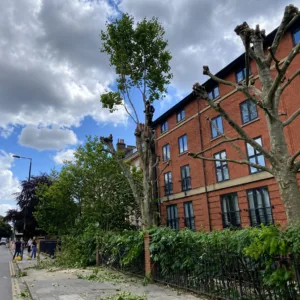
Our experienced team at Chigwell Tree Services recently carried out a specialized pollarding project on several mature London plane trees situated at a retirement home in Manor Park, East London. With vulnerable residents, active pedestrian pathways, and nearby traffic routes to manage, the project required careful planning, secure drop-zone management, and precise cutting standards.
By methodically pollarding these mature specimens back to their established knuckles, our team significantly reduced the risk of heavy falling branches during storms while maintaining the trees' long-term health and vitality. The project successfully created a brighter, safer, and well-maintained outdoor environment for residents and visitors across Manor Park, Stratford, Aldersbrook, Leytonstone, Wanstead, and surrounding East London districts.
Timing and Frequency: How Often Should Trees Be Pollarded?
A common question among property owners is: how often should trees be pollarded?
The frequency depends heavily on the species and the desired canopy size:
- Fast-growing species (Willow, Poplar): Usually pruned on a 1 to 2-year cycle.
- Moderate growers (London Plane, Lime): Typically managed on a 2 to 3-year cycle.
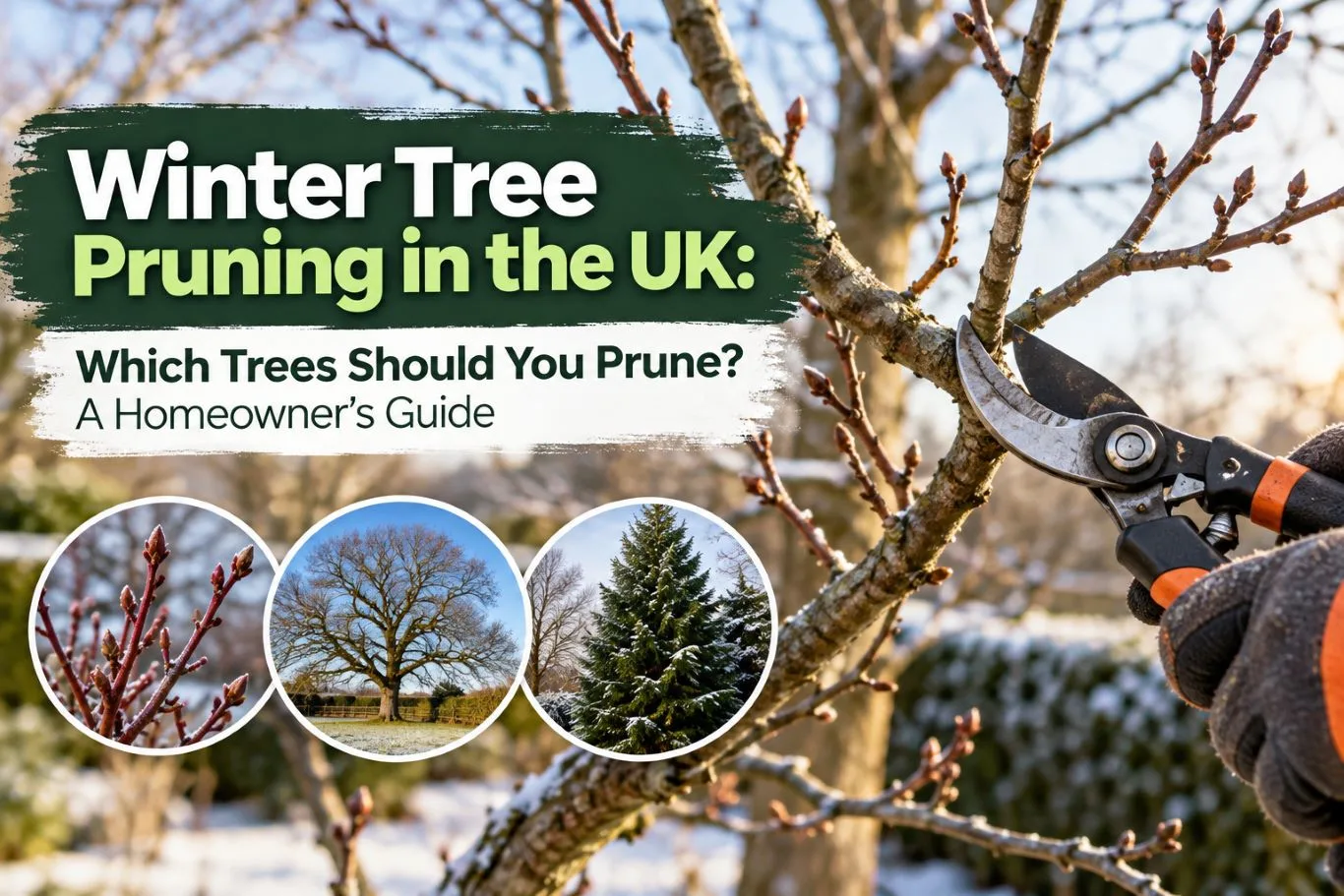
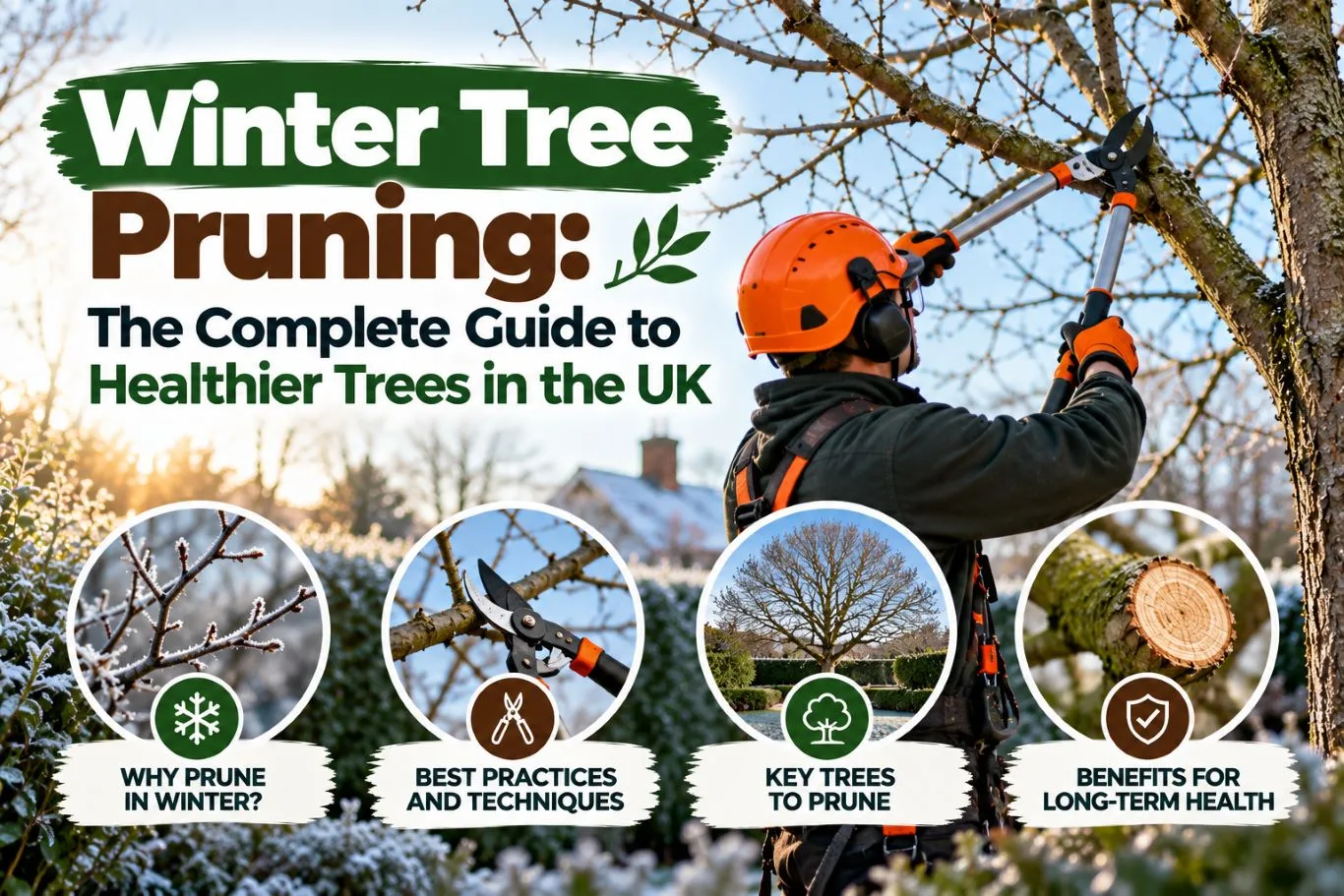
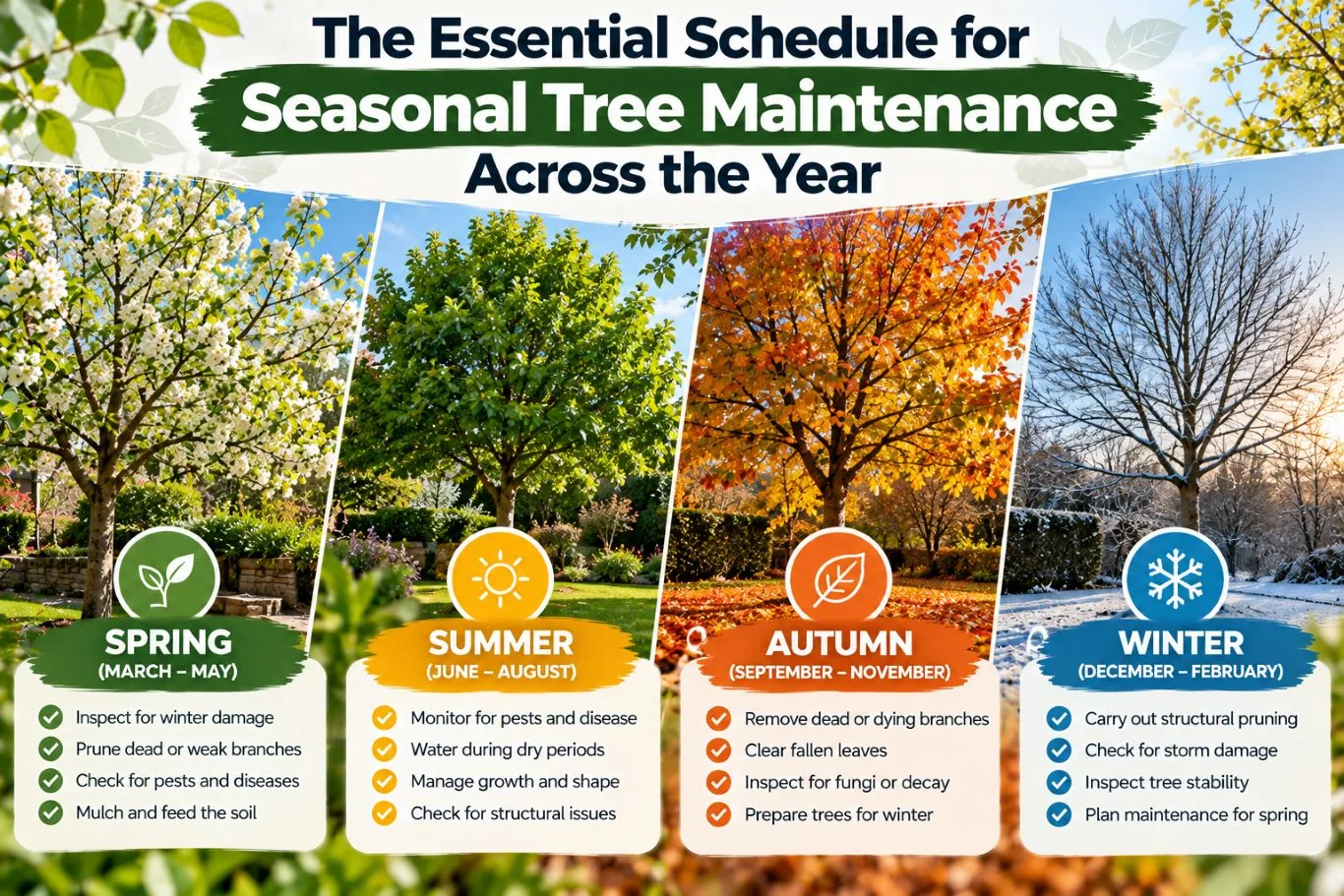
The ideal window for pollarding most UK deciduous species is during the dormant winter period (November to early March). Pruning before the spring sap rise minimises vascular stress, reduces sap bleeding, and allows the tree to direct its spring energy straight into vigorous new shoots.
The Value of Professional Tree Pollarding
Attempting to pollard a mature tree that has never undergone early structural pruning is a critical mistake. Chopping large limbs off an old, un-pollarded tree is actually “topping,” a destructive practice that leads to decaying stubs and weakly attached shoots.
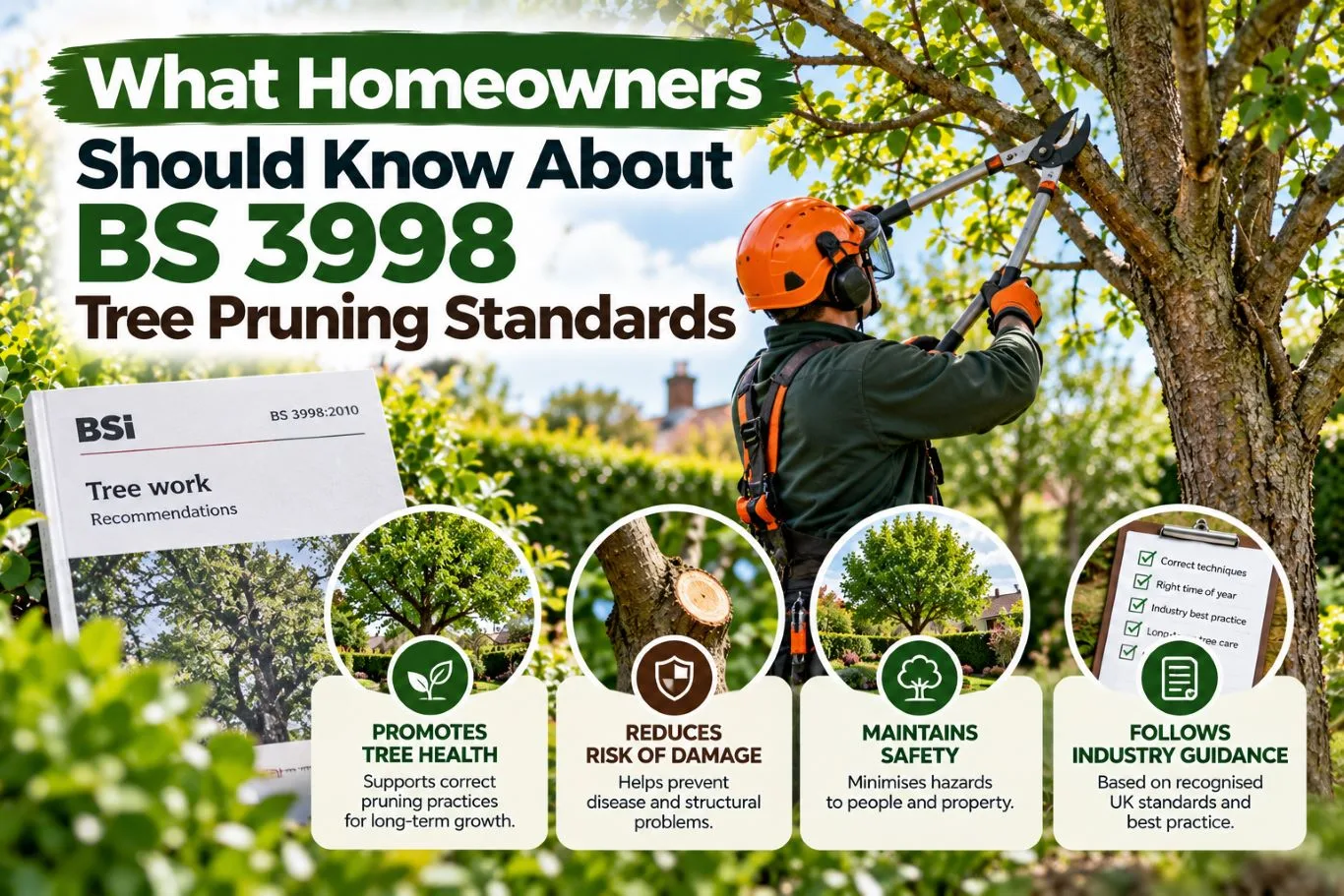
Investing in professional tree pollarding guarantees that work complies with British Standard BS 3998:2010 (Recommendations for Tree Work). Certified arborists use sharp, sanitized tools, specialized aerial rigging gear, and precise cutting angles to protect the pollard head and promote strong cellular regeneration.
FAQs
1. Can you start pollarding a fully mature, un-pollarded tree?
No, pollarding must be initiated when the tree is young. Cutting large scaffold limbs off a mature tree that has never been pollarded causes massive open wounds, internal heartwood rot, and dangerous regrowth.
2. What happens if you stop pollarding an established tree?
If you abandon a pollarded tree, the shoots growing from the knuckles will eventually grow into heavy, full-sized branches. Because these branches are anchored only to the calloused knuckle rather than the core trunk, they become structurally weak and prone to breaking off under high wind loads.
3. How quickly can your local team arrange an on-site consultation?
We operate an efficient, local dispatch network. For domestic and commercial tree assessments, we can typically schedule an on-site visit and provide a detailed, itemized quote within 24 to 48 hours of your inquiry.
4. What geographical areas do your field specialists cover?
Our daily operational coverage encompasses the entire county of Essex—including Chigwell, Loughton, Epping, Woodford, Brentwood, and Buckhurst Hill—alongside adjacent East and North London boroughs.
5. Are your tree surgeons fully certified and insured?
Yes, completely. Our entire field crew holds verified NPTC and LANTRA qualifications for commercial arboriculture, chainsaw use, and aerial rigging. We carry comprehensive public liability insurance, ensuring all operations are completed safely and cleanly.
Conclusion / Final Thoughts
Understanding the mechanics of tree pollarding enables property owners to manage large, vigorous canopies safely without sacrificing the health of their trees. By establishing clean pollard heads on suitable broadleaf species and maintaining them on a predictable winter cycle, you can prevent structural storm hazards, increase natural light across your garden, and maintain a neat, attractive landscape for decades to come.
At Chigwell Tree Services, we bring extensive practical experience, modern rigging equipment, and certified arboricultural expertise to every domestic and commercial property we serve. Whether you need to establish a new pruning framework on young trees or require reliable, cyclical tree pollarding services in Essex, our friendly local specialists are always here to assist. Restore your garden's true potential today by choosing a professional, authoritative standard of care for your grounds.